










Calabria Illegal Gambling Crackdown Exposes Licensing Gaps


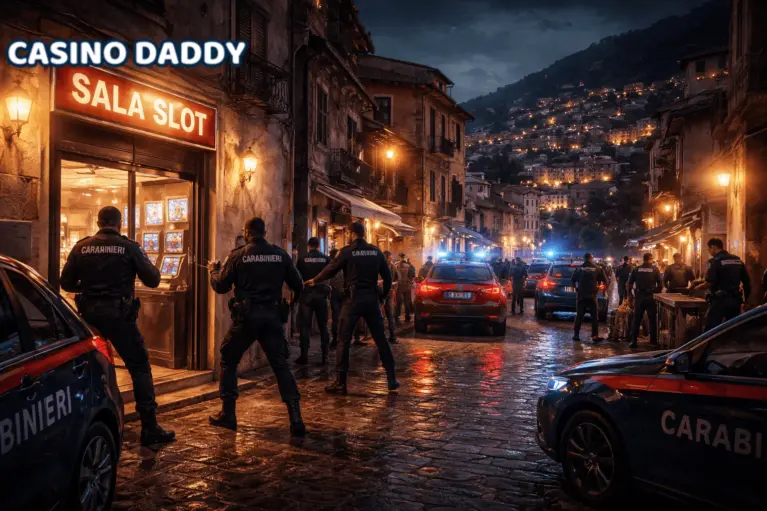
A sweeping police operation in Calabria has exposed illegal gambling activities and highlighted serious gaps in licensing compliance. Italian authorities, including the Financial Police and the Customs and Monopolies Agency, conducted coordinated raids across Reggio Calabria and nearby towns. The investigations revealed unauthorised betting venues and gaming machines operating outside national regulations, raising broader concerns about cross-border licence misuse.
The Calabria gambling crackdown underscores a tightening stance from Italian regulators. Operators attempting to bypass local approval face fines, potential closure, and criminal scrutiny, demonstrating that licences issued in other EU countries do not automatically allow operations in Italy.
Police Actions and Findings
Authorities targeted multiple locations suspected of conducting illegal gambling operations, seizing equipment and shutting down unlicensed activities. Among the discoveries were electronic machines dispensing cash payouts, a practice strictly prohibited under Italian law.
A prominent raid took place in Condofuri, where officials uncovered a private gambling club. The site operated gaming machines that issued cash directly to players, emphasizing the risks posed by unregulated equipment. These operations not only bypass consumer protection standards but also exploit gaps in oversight and taxation.
Licensing Issues and Foreign Links
One of the most striking findings involved a business claiming a Malta-issued licence, yet operating without the required Italian permissions. Investigators noted that the operators lacked national regulatory approval, local safety certifications, and even an active corporate registration. This illustrates a recurring issue: a licence from another EU country does not grant automatic permission to run gambling operations in Italy.
The raid demonstrates the critical importance of adhering to local regulations. Compliance with Italian licensing, safety protocols, and tax obligations remains mandatory, regardless of foreign authorisation. Authorities are sending a clear message that national oversight takes precedence over cross-border licences.
Legal Consequences for Operators
Operators found violating Italian law now face substantial fines, potentially reaching €50,000 per infraction. Prosecutors in Reggio Calabria and Locri are reviewing evidence to determine whether criminal charges are appropriate. In addition, authorities may pursue closure of the affected venues if courts deem the operations illegal.
For both operators and players, the crackdown highlights the risks of engaging with unlicensed businesses. Beyond fines and closures, the increased enforcement signals a broader effort to ensure gambling activities remain fully regulated and transparent.
Impact on Regulation and Licensing
The Calabria raids bring attention to the complex regulatory landscape governing Italian gambling, spanning land-based casinos, video lottery terminals, betting shops, and gaming machines. Overlapping frameworks create opportunities for operators to exploit loopholes, but authorities are moving to close these gaps.
Ongoing reform efforts aim to establish a unified licensing system that strengthens oversight, enhances consumer protection, and ensures municipalities can track gaming-related revenue effectively. These changes could standardize rules for both domestic and cross-border operators, reducing the risk of unlicensed activity.
Final Thoughts
The Calabria gambling crackdown illustrates that Italian authorities are taking a firm stance against illegal gaming and emphasises the limits of foreign licences. Operators must meet national compliance standards to avoid fines, closures, or criminal prosecution.
As enforcement continues and regulatory reforms take shape, the Italian gambling market is expected to become more tightly controlled. For operators and players alike, adherence to licensing rules is now non-negotiable, signaling a new era of stricter oversight in southern Italy.

The Author
The Author
Slots and News Reviewer