





New Game
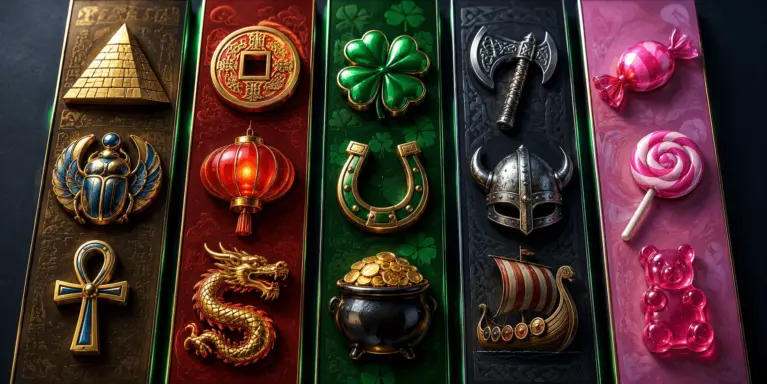
Most slot lobbies open with a few thousand games and no obvious place to start, so players do the fastest thing available and judge by the pictures. Pyramids, leprechauns, koi carp, a grinning skull, a bowl of fruit that has looked the same since 1962. The art wins the click long before anyone opens a pay table, and the studios know it.
There is a better reason to pay attention, though. Egyptian slots almost always hand you an expanding symbol in free spins. Asian prosperity games fill the reels with cash values and glue them down. Candy themes tumble. Developers build on templates that already sell, so the look and the maths arrive as a matched set, like a band releasing the same album with a different cover.
That makes a theme a decent preview of the bonus round. It has hard limits though. Theme does nothing to RTP, and it will lie to you about volatility more often than you would like. A cheerful cartoon fruit machine can empty a balance faster than anything with a skull on it.
So let’s go through the theme families that own the modern lobby, what each one actually does once the reels start moving, and where the pictures stop being helpful.
 Reviewed byNadia Winchester
A lobby's theme spread comes down to which studios it carries, so a casino with sixty providers will show you things a casino with fifteen never will. The sites below all carry the big template-setters plus enough smaller studios to keep the reels from looking identical.


New Casino
 Rated 84 of 100%
welcome bonus
100% up to €100

New Casino
Rated 82 of 100%
welcome bonus
550% up to €3540 + 400 FS


Exclusive Bonus
Rated 88 of 100%
welcome bonus
400% up to €4,000 + 400 FS

New Casino
Rated 83 of 100%
welcome bonus
250% up to €4,000 + 250 FS

New Casino
Rated 81 of 100%
welcome bonus
100% up to €5,000 + 175 FS


Crypto Casino
Rated 85 of 100%
welcome bonus
500% up to $10,000

Crypto Casino
Rated 89 of 100%
welcome bonus
100% up to €100,000

Crypto Casino
Rated 90 of 100%
welcome bonus
200% up to €100 + 150 FS

Crypto Casino
Rated 55 of 100%
welcome bonus
150% up to €1,300 + 100 FS

Crypto Casino
Rated 87 of 100%
welcome bonus
100% up to $1,500 + 150 FS

Crypto Casino
Rated 94 of 100%
welcome bonus
150% up to €4,000 + 400 FS

Rated 91 of 100%
welcome bonus
305% up to €1,200

Rated 89 of 100%
welcome bonus
305% up to €1,200

Crypto Casino
Rated 91 of 100%
welcome bonus
100% Deposit Bonus

Rated 91 of 100%
welcome bonus
200% Bonus up to €350

Rated 90 of 100%
welcome bonus
NO KYC REQUIRED

Rated 74 of 100%
welcome bonus
100% up to €500


Hot Casino
Rated 95 of 100%
welcome bonus
243% up to €5,555 + 243 FS
Building a slot from scratch means designing a maths model, balancing it, and pushing it through certification. That process runs into months and a serious budget. Artwork is the cheap part of the job, and it is also the part players notice. So a studio with an engine that performs keeps the engine and changes the clothes.
Play’n GO launched Book of Dead in January 2016. The game already drew on Novomatic’s Book of Ra rather than inventing anything. One symbol expands across the reels in free spins, the round either pays or it doesn’t, and players adored it. Every art department in the industry took the hint. There are now more books in online slots than in most public libraries, and nearly all of them turn up somewhere hot and sandy.
Pragmatic Play and Reel Kingdom did the same thing to fishing in December 2020 with Big Bass Bonanza. Put cash values on the fish and hand a man in a bucket hat the job of collecting them. The free spins do the rest. The studio has since sent that fisherman out for sequels and dressed him up for Christmas. Rival studios have staffed entire lakes with imitators. Fishing stopped being a theme and became a mechanic that happens to be wet.
Rebuilding a template for a new theme lets a studio keep most of the expensive work intact:
The symbols, soundtrack and setting sit on top of all that. Those are the only parts most players ever consciously notice.
Recognising a template before you open it saves a player real effort, which is why the copying keeps working. Open a game with a grinning fisherman on the reels and you already know how it works. The fish carry money values, the fisherman collects them, and the base game is a waiting room. That beats reading a pay table.
Casino lobby filters reinforce the habit by grouping games by look, which quietly groups them by maths as well. A player browsing Egyptian slots is browsing expanding symbols, and nobody has to say so.
The pattern holds often enough to be useful, but plenty of studios build their reputation on breaking it. Those games land harder precisely because the rest of the lobby is so predictable.
Ten families account for most of what you will meet in a modern lobby. Each one has a look, a set of mechanics that turn up again and again, and a handful of games that set the pattern everyone else follows.
Egyptian slots have one dominant format, and it involves a book. Land three scatters, take ten free spins, and watch the game pick one symbol at random to expand across the whole reel whenever it lands. The round pays enormously or it pays almost nothing, with very little in between.
Everything hangs on which symbol gets chosen. Drawing the top-paying god feels like the game has handed you something. Drawing the ten costs you the round, and the tomb-raiding soundtrack keeps playing regardless, which adds a certain cruelty to the whole business.
Book of Dead, Legacy of Dead and Eye of Horus define the shape, and dozens of studios have built their own version. The base game runs dry between bonuses, so these are high volatility games wearing an adventure costume. Egypt also hosts plenty of non-book releases built around Cleopatra and Ra, though the books dominate the shelf.
Rated 92 of 100%
Rated 92.4 of 100%
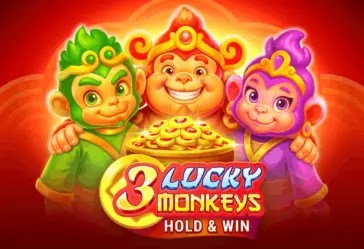
Red and gold, koi carp, lanterns, dragons, firecrackers, and coins everywhere. The mechanic underneath is almost always Hold & Win, which works on a simple and slightly diabolical loop. Land six or more coin symbols, each carrying a cash value, and the game locks them in place and gives you three respins. Every new coin resets the counter back to three.
Fixed jackpot tiers usually sit on top, awarded for filling positions rather than landing combinations:
| Tier | Typical trigger |
|---|---|
| Mini | A small number of locked coins |
| Minor | A slightly larger cluster |
| Major | Most of the grid filled |
| Grand | Every position on the grid locked |
Sitting on two respins with one empty position left produces a specific kind of tension that no free spins round can match. The grid is right there, visibly almost complete, and the game keeps asking whether you would like to see what happens next. Games like 88 Fortunes and the endless supply of titles with Fortune, Dragon or Lucky in the name run on exactly this.
Rated 79.4 of 100%
Rated 78 of 100%
Leprechauns have been on slot reels since the mechanical era and show no sign of retiring. The theme carries pots of gold, rainbows, four-leaf clovers, and an unusually high concentration of games built around pick-and-trail bonuses rather than free spins.
Rainbow Riches turned the road-to-riches wheel and the pots of gold pick into a format, and the series has grown steadily since. Finn and the Swirly Spin took the same iconography somewhere far stranger with a spiral grid. Megaways versions of Irish slots arrive regularly, which suits a theme built on the idea that anything might happen.
Irish luck has also colonised other themes with unusual enthusiasm. Leprechauns have visited Egypt, space and the Wild West, generally without explanation.
Cherries, bars, lemons and sevens survive because early machines paid out in fruit-flavoured chewing gum rather than cash, and the symbols never left. Modern fruit slots keep that visual language and often keep the small format too: three reels, five reels, single-digit paylines, no story.
The art suggests something gentle. The maths frequently disagrees. Studios have worked out that a stripped-back grid is the perfect home for brutal volatility, so a cheerful cherry can sit on top of a game that pays once in two hundred spins and then pays five thousand times your stake. Retro slots from Wazdan, 1spin4win and Kalamba lean hard into this.
Hold-and-respin features show up here constantly, along with straightforward multiplier wilds. Anyone who wants a game they can read at a glance ends up in this family sooner or later.
Rated 93.6 of 100%
Pantheons cost nothing to license and everyone already knows the characters, which makes mythology one of the most heavily mined seams in the business. Thunder gods sell particularly well. Zeus, Odin, Thor and Poseidon have more reel appearances between them than most working actors have screen credits, and studios keep finding new angles because the source material never runs out.
Greek mythology has settled around tumbling reels with multiplier symbols dropping into view, which is what makes Gates of Olympus and Rise of Olympus so volatile and so widely played. Winning symbols clear, new ones fall, and any multipliers on screen combine at the end of the sequence. The maths behind that structure produces very little for long stretches and then something spectacular.
Norse gods take a different approach. Multiplier wilds, symbol upgrades and pick-a-god bonus rounds dominate, with the choice you make at the start determining which feature runs. That branching structure gives a single game several distinct bonus modes, which suits a pantheon full of characters who behave nothing like each other.
Other traditions appear less often but reward a look. Japanese and Chinese folklore produce games built around transformation and symbol evolution. Hindu mythology brings multi-armed deities and features that trigger across several reel positions at once. Celtic and Slavic themes surface periodically, generally attached to atmospheric art and slower pacing.
The whole family shares a taste for enormous top prizes and long dry spells. Storm clouds and hammers on the loading screen usually mean five-figure multipliers in the pay table, so the promise on screen matches the promise in the numbers for once.
Rated 78 of 100%
Rated 85 of 100%
Money collect is the most rigidly copied template in the business, and fishing is its natural habitat. Cash values land on fish symbols during free spins, a collector symbol sweeps them up, and the size of the round depends entirely on how often the two appear together. The base game exists to sell you the free spins and does very little else.
Variations are mostly cosmetic, though a few change the sums meaningfully. Some versions add a multiplier that climbs each time the collector appears. Others let the collector return for a second pass, or turn every fish on screen into a guaranteed collect for one spin. Big Bass Bonanza and its many descendants set the standard, while Fishin’ Frenzy holds the older end of the family together.
The theme has since floated well beyond lakes. Hunting slots, cabin-in-the-woods slots and a surprising number of games about crabs all run the identical collect engine with different wildlife. Anything with a character who visibly picks things up is running this maths, whatever it happens to be wearing.
Pastel colours, lollipops, gummy bears, and a soundtrack engineered to sound like a birthday party. The mechanic is cluster pays with tumbling reels: winning symbols vanish, new ones drop into the gaps, and the sequence continues until nothing else pays. Multiplier symbols dropping mid-tumble do the heavy lifting.
Sweet Bonanza and Sugar Rush turned this into one of the most played formats online, and the maths behind the sugar is genuinely savage. Long stretches produce nothing at all. Then a tumble chain catches four multipliers at once and the balance jumps by three figures. Anyone who has run a hundred spins on one of these knows the specific silence of a grid that refuses to connect.
Ante bet and bonus buy options appear here more than almost anywhere else, which tells you how these games get played in practice. Players want the free spins, and the studios know it.
Vampires, zombies, haunted houses and the occasional cursed doll. Horror gives designers permission to be cruel in ways a cheerful theme cannot, so the mechanics tend toward sacrifice, transformation and risk. Common patterns include:
Blood Suckers earned lasting affection for carrying one of the highest RTPs of any slot in the business, which made vampires unexpectedly good value. Immortal Romance took the opposite route with an actual storyline and four separate bonus features, and still has a devoted following years later.
October brings a flood of Halloween releases every year, most of them reskins of existing engines with pumpkins added. A few are excellent. The rest are proof that a spooky filter is cheaper than a new maths model.
Saloons, wanted posters, mine shafts and dynamite. Two related sub-families live here, and they behave differently once the reels start turning. Cowboy slots favour sticky wilds and shootout bonus rounds, with Dead or Alive 2 standing as the genre’s most feared example: three sticky wilds on the right reels pay spectacularly, and the road there costs plenty.
Mining slots take the other approach and grow the grid. Reels expand downward, symbols cascade into cleared positions, and dynamite clears space for more. The physical logic of digging maps neatly onto a mechanic where the play area gets bigger the longer you last, which is why the theme keeps attracting studios who want an excuse for an expanding grid.
Both branches lean high volatility. The imagery involves prospectors who mostly went broke, so at least the theming is honest about the odds.
Ships, maps, chests, krakens, and captains with alarming dental arrangements. Pirate slots love a pick bonus, which suits a theme built on the idea that treasure sits somewhere specific and you have to choose correctly to find it. Chest picks, map trails and progressive collection meters all show up regularly.
The deeper end of the theme goes underwater and gets stranger. Razor Shark built its reputation on mystery stacks hiding under seaweed and a multiplier that keeps climbing while the round survives. Sea-themed games generally allow for more mechanical invention than land-based pirate adventures, possibly because nobody knows what is down there anyway.
Progressive jackpots attach to this family more than most. The imagery of accumulating treasure fits a prize pool that visibly grows, and studios have been making that connection since long before online slots existed.
Longships, shield walls, axes and beards significant enough to have their own art budget. Viking slots separate themselves from god-based mythology by focusing on people rather than deities, which pushes the mechanics toward combat, raiding and accumulation instead of raw multipliers.
Sticky wilds with an escalation mechanic define the family. The Vikings Go series built its reputation on characters who enter a rage state during free spins, turning into sticky wilds that stay put and collect treasure while the round runs. Viking Runecraft took a completely different route with a cascading grid where clearing runes advances you through levels, each unlocking a stronger effect. Both formats share the same underlying promise: survive long enough and the game gets progressively more generous.
Common signatures across the theme include:
Megaways versions arrive regularly, and the theme suits the format well, since a shifting reel count fits the chaos of a raid better than it fits a temple. Volatility runs high across the board. The maths tends to hold everything back for the bonus round, so base game sessions can feel like a long boat journey with nothing on the horizon.
Television drove a serious wave of these releases and the appetite never really faded. Studios keep finding new angles because Norse source material is enormous, unowned, and full of things that look good on a reel.
Rated 96 of 100%
Buying a licence changes the economics of building a slot completely. The rights holder takes a cut, the approvals process adds months, and the artwork has to satisfy people who care deeply about whether the logo is the correct shade of red. Studios accept all of that because a recognisable name pulls players who would never have opened the game otherwise.
The categories have settled into a fairly predictable shape:
Music slots deserve their own mention because they work better than they should. A soundtrack of actual hits gives a game something no original score can buy, and the studio gets to build features around individual tracks.
Licensed games carry a burden that ordinary slots do not. Players arrive expecting to see the thing they recognise, so the design has to deliver characters, scenes and music rather than just a good bonus round. That pushes studios toward feature-heavy builds with multiple bonus modes, each one representing a different part of the source material.
The results split sharply. Some licensed slots use the extra features brilliantly and end up more interesting than their unlicensed cousins. Others feel like a maths model wearing a costume it does not fit, where the branding sits on top of the game rather than inside it.
There is also a practical wrinkle worth knowing. Licences expire. Games disappear from lobbies when the rights lapse, sometimes with no warning, which is why a title you played last year occasionally cannot be found anywhere today.
Branded game show slots work because the source material was already a gambling format. Wheels, prize ladders and elimination rounds need no translation at all, so the mechanics arrive intact rather than being bolted on afterwards.
Deal or No Deal remains the clearest example, with its banker offer sitting naturally inside a bonus round. That same logic explains why so many of these properties have migrated into live casino game shows, where the format works even better with a presenter and a real wheel.

Studios plan their release calendars around dates the whole industry can see coming. Halloween, Christmas, summer and major sporting tournaments guarantee a spike in players looking for something that matches the mood, so the release schedules fill up months in advance.
Christmas produces the largest wave by a comfortable margin. Existing hits get snow, bells and a red hat, and the games return every December to lobbies that promote them heavily. Halloween runs second and skews darker, since horror mechanics suit the season without any adjustment.
Smaller occasions get their own releases too. Easter brings eggs and rabbits, Chinese New Year fits the Asian prosperity template so neatly that the two are hard to separate, and summer produces beaches, cocktails and an inexplicable number of games about ice cream.
Most seasonal releases take an existing engine and change the art. Recognising the difference saves time:
Neither approach is inherently worse. A reskin of a strong template still plays well, and the festive coat of paint costs you nothing. The trouble comes when a mediocre engine gets recycled purely to hit a date, which happens every autumn without fail.
Tournament football drives its own release cycle, running roughly every two years across World Cups and European Championships. Slots arrive with stadium backdrops, penalty shootout bonus rounds and trophy symbols, timed to land shortly before the opening match.
The football releases have a shorter shelf life than seasonal games, since a Christmas slot returns annually while a tournament slot ages out once the trophy is lifted. Casinos usually pair them with matching promotions, and our guide to World Cup 2026 bonuses and slots covers what turned up for this cycle.
Beyond the ten big families sits a long tail of themes that turn up regularly without dominating any lobby. Some carry a signature mechanic. Others exist purely because an art director wanted to draw something different that week.
| Theme | What you tend to find |
|---|---|
| Space and sci-fi | Expanding grids and unusual reel shapes, since nothing in space has to obey a 5×3 layout |
| Farm and animals | Low volatility, friendly pacing, and cluster pays on larger grids |
| Luxury and diamonds | Gem symbols on classic formats, often paired with fixed jackpot tiers |
| Heist and crime | Multi-stage bonus rounds where each level raises the stakes |
| Steampunk | Mechanical gimmicks like symbol upgrades and reel modifiers driven by cogs |
| Food and cooking | Tumbling reels, because ingredients falling into a pot writes itself |
| Music and party | Feature-heavy builds with soundtracks doing most of the persuading |
| Fantasy and dragons | Symbol transformations and elaborate free spins with several sub-modes |
| Aztec and Maya | Cascading symbols with climbing multipliers on 5×6 or 6×6 grids |
| Sport | Bonus rounds built as penalties, races or matches rather than free spins |
Aztec deserves a note for punching well above its weight. The theme found cascading reels early and stuck with them, so a jungle temple on the loading screen reliably signals symbols dropping into cleared positions with a multiplier climbing alongside. Gonzo’s Quest established the pattern and a great many studios have followed the trail since.
Some themes drift in and out of fashion on no discernible schedule. Steampunk had a strong run and then thinned out. Fantasy grows steadily as studios chase the audience that plays video games. Chasing a specific niche theme means accepting that lobby filters will only get you so far, since most casinos group everything unusual under a single catch-all tag.

Reading the art gets you a decent guess at the bonus round. Push the shortcut any further and it starts inventing things, because the numbers that decide how a game actually treats you have nothing to do with the pictures on the reels.
Return to player is a figure the studio sets during the maths design and the certification lab verifies. No theme carries a higher or lower RTP by nature. Two games can share identical symbols, identical grids and identical bonus rounds while running four percentage points apart.
Worse for anyone relying on appearances, the same game often ships in several RTP versions, and the casino chooses which one to run. A title advertised at 96.5% somewhere else might be serving you 94% on the site you are on. The reels look identical either way. Checking the figure in the game information panel takes seconds and is the only reliable method, which our full guide to slot RTP covers in detail.
Art direction and volatility have an actively misleading relationship. Cheerful themes hide vicious maths constantly, and the friendliest looking games in any lobby include several that will run two hundred spins without a meaningful win.
The pattern runs in both directions:
Max win potential offers a better clue than any of the artwork. A game advertising 50,000x is telling you plainly that most sessions will end quietly. Our breakdown of slot volatility and variance explains how to read those signals before committing a bankroll to something that looks harmless.
Mechanics remain the one thing theme predicts reliably. Recognising an Egyptian slot tells you to expect an expanding symbol. Recognising a fishing slot tells you the free spins carry the whole game. That is worth knowing, and it saves opening a pay table every time.
Treat the art as a preview of the format and nothing else. The moment it starts suggesting how generous a game will be, it has stopped being useful.
Finding a specific theme in a casino lobby is harder than it should be. Filters vary wildly between sites, tagging is inconsistent, and the search box usually only matches game titles rather than anything about the game itself.
Most casino lobbies offer theme tags, and most of them are thin. A site with four thousand games might sort them into eight themes, dumping everything unusual into a category called Adventure or Other. The tags also come from whoever built the lobby rather than from the studios, so a game can end up filed somewhere nobody would think to look.
Sorting options tell you more than the theme tags do in practice:
Working from the provider side gives far more control. Studios build in families, so finding one game you like leads directly to a dozen relatives. A studio that makes strong Asian prosperity slots has almost certainly made several, and they will sit together in that studio’s catalogue.
House styles are real and worth learning. Some studios build feature-heavy games with multiple bonus modes. Others specialise in stripped-back retro formats. A few have made their name on high volatility builds that either pay enormously or not at all. Our directory of casino game providers lays out who makes what.
Demo play remains the fastest way to test whether a theme suits you. A few dozen free spins reveal the pacing, the bonus frequency and whether the soundtrack becomes unbearable, all without spending anything.
Beyond that, a handful of habits save time:
| Tactic | Why it helps |
|---|---|
| Note the studio behind games you enjoy | Leads to their whole catalogue in one step |
| Check max win before playing | Signals volatility more honestly than the artwork |
| Search by series name | Popular templates spawn sequels with predictable numbering |
| Read the game information panel | Confirms RTP, volatility rating and bonus structure in one place |
Sequels reward the extra attention more than almost any other shortcut here. When a studio finds a theme that works, it builds the same game again with adjustments, so the second or third instalment often plays better than the original that made the name.
Industry News

Industry News
Slot themes carry more information than they appear to. Reading a lobby by its artwork tells you roughly what each game will do once the reels start moving, and that shortcut holds up because studios build on templates that already sell rather than starting fresh every time. Pyramids mean expanding symbols, coins mean respins, candy means tumbles.
The shortcut has a hard edge, though. Themes describe format and say nothing whatsoever about generosity, so the friendliest looking game in any lobby might be the one that empties a balance fastest. RTP comes from the maths model and the casino’s chosen version of it. Volatility comes from the win distribution. The artwork stays out of both conversations entirely.
Anyone browsing by theme is really browsing by mechanic, and that turns out to be a reasonable way to shop. Someone who enjoys the tension of a filling grid should look at Asian prosperity slots. Someone who wants a single dramatic bonus round belongs in Egypt. Someone chasing long tumble chains with climbing multipliers should be in the candy aisle or an Aztec temple.
Learn which mechanics suit you, then let the pictures point you toward more of them. Check the numbers before you commit, treat every seasonal reskin with mild suspicion, and remember that the fisherman in the bucket hat has never once been in a hurry.
Ancient Egypt, Asian prosperity and fishing dominate most lobbies by sheer volume, with fruit and classic slots close behind. Popularity varies by market, though. Irish themes perform strongly in the UK and Ireland, Asian prosperity titles lead across much of Asia, and Norse mythology has a loyal following in the Nordics. The consistent factor is that each of these themes carries a proven mechanic, which is why studios keep returning to them.
No. RTP is set during the maths design and confirmed by a certification lab, and no theme carries a higher figure by nature. The same game frequently ships in several RTP versions, and the casino picks which one to run, so two identical-looking slots on different sites can pay differently. Checking the game information panel is the only way to know what you are playing.
Only loosely, and the guess is often wrong. Bright cartoon themes hide high volatility constantly, while dark dramatic games sometimes pay in steady small amounts. Max win potential gives a far better signal: anything advertising 10,000x or more will have long dry stretches built into the maths.
The expanding symbol mechanic that Book of Ra popularised, and Book of Dead turned into a genre, works exceptionally well and reskins easily. Studios keep the certified maths and change the artwork, which is far cheaper than building something new. The book itself acts as both wild and scatter, and players recognise the format instantly, so the combination has stuck.
Licensed slots use branded material from films, television, music or sport, and the rights holder takes a share of the revenue. That extra cost pushes studios toward feature-heavy builds that justify the licence. Licences also expire, which is why branded games sometimes vanish from casino lobbies with no warning.
Lobby theme filters are a starting point, but they tend to be thin and inconsistently tagged. Filtering by provider works better, since studios build in families and one game you like usually leads to several relatives. Feature tags like Megaways, Hold & Win or Bonus Buy get you closer to the actual gameplay than theme labels do.
Most are reskins of existing games with festive artwork, keeping the original grid, trigger and pay table. A smaller number add a mechanic tied to the occasion, such as a collect meter built as an advent calendar. Neither approach is worse by default, since a reskin of a strong template still plays well.
The Author
The Author
Slots and News Reviewer