











Florida Targets Underground Gambling Operations


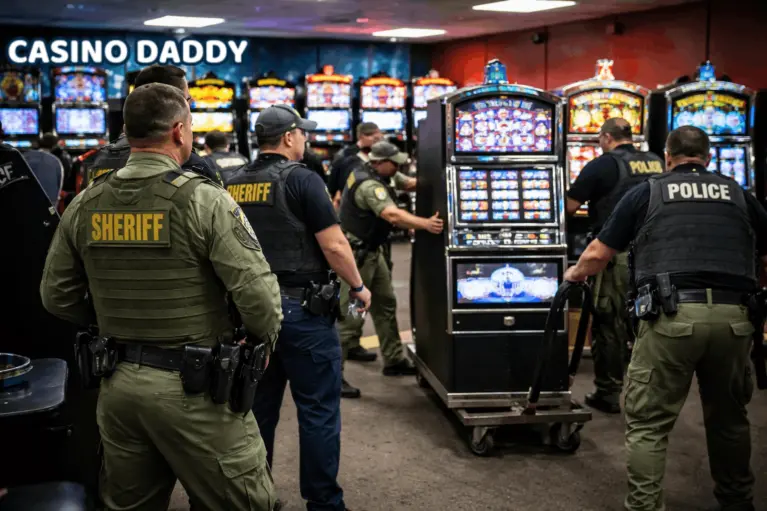
State authorities have intensified efforts to dismantle underground gambling networks operating across Florida, launching a broader enforcement campaign that targets illegal slot parlors, unlicensed gaming rooms, and the businesses that support them. Regulators argue that the expansion of these operations threatens consumer protection standards and undermines the regulated gaming market.
The renewed push signals a shift toward stricter oversight and tougher penalties. Officials say enforcement actions have increased sharply over the past year, with thousands of illegal machines seized and millions of dollars in unregulated cash removed from circulation. Lawmakers now aim to reinforce those actions with additional legislative tools designed to prevent operators from reopening under new names.
Enforcement Activity Surges Across the State
The Florida Gaming Control Commission has led the crackdown, working alongside local law enforcement agencies to shut down storefront arcades that offer unauthorized slot-style machines. These venues often present themselves as entertainment businesses, yet investigators say they operate games that fall outside state law.
Officials report that recent operations resulted in the seizure of more than 6,000 illegal machines and the confiscation of significant gambling proceeds. Authorities describe the scale of activity as unprecedented compared with previous years. Enforcement teams have expanded inspections and increased coordination across counties to disrupt repeat offenders.
Illegal gambling arcades frequently appear in strip malls and commercial plazas. When authorities close one location, operators sometimes attempt to resume activity elsewhere. Regulators now aim to address that cycle directly by targeting not only machine owners but also property managers and suppliers who enable the operations.
Legislative Support Builds Momentum
The enforcement surge has gained backing within the Florida Legislature, where lawmakers are considering measures that would increase penalties for underground gambling activities. Proposed changes include stronger criminal classifications for machine operators and enhanced authority to seize equipment tied to unlicensed gaming.
State leaders argue that stricter consequences will deter repeat violations. Some proposals would also expand investigative powers, allowing regulators to act more swiftly when evidence surfaces. Supporters contend that existing penalties have not been sufficient to discourage operators who view fines as a cost of doing business.
Governor Ron DeSantis has voiced support for tighter enforcement, emphasizing the importance of preserving the integrity of Florida’s regulated gambling framework. Officials maintain that licensed venues contribute to state revenue and employment while adhering to oversight standards that protect players.
Consumer Protection and Public Safety Concerns
Authorities say underground gambling venues present risks beyond financial loss. Investigators have linked some locations to broader criminal activity, including money laundering and organized operations that move equipment across jurisdictions. Because the machines operate outside regulatory review, payout rates and fairness standards remain unchecked.
Licensed gaming establishments must meet strict compliance requirements, including reporting obligations and consumer safeguards. Illegal operators avoid those obligations, which regulators argue places players at a disadvantage. Law enforcement officials also stress that unregulated venues can attract additional security concerns, particularly when large amounts of cash circulate without oversight.
By increasing inspections and enforcement visibility, regulators hope to reduce the appeal of operating outside the law. Officials believe consistent enforcement, paired with stronger penalties, will limit the profitability of underground networks.
Economic and Industry Implications
Florida’s legal gaming market includes tribal casinos and authorized cardrooms that function under defined regulatory agreements. Industry representatives have expressed concern that unlicensed competition siphons revenue while ignoring compliance standards. Regulators share that concern, noting that lawful operators invest heavily in infrastructure, staffing, and community programs.
A sustained crackdown could shift the competitive landscape by reinforcing the boundaries of lawful gambling activity. Observers expect continued debate during the upcoming legislative session, as policymakers weigh the balance between enforcement resources and market stability.
The state’s approach also reflects a broader national trend in which regulators confront gray-market gambling businesses that exploit regulatory gaps. Florida’s actions suggest a commitment to closing those gaps through coordinated enforcement and legislative reform.
What Comes Next
Enforcement activity is expected to continue through the coming year, with additional inspections and coordinated operations already underway. Lawmakers will review proposed statutory changes aimed at strengthening regulatory authority and increasing deterrence.
Regulators have made clear that the current campaign marks the beginning of a longer strategy rather than a short-term initiative. As enforcement expands and legislative changes take shape, underground gambling operators in Florida face mounting pressure in an environment that is becoming less tolerant of unlicensed gaming activity.

The Author
The Author
Slots and News Reviewer