


Greece Plans Harsher Jail Terms and Fines for Illegal Gambling


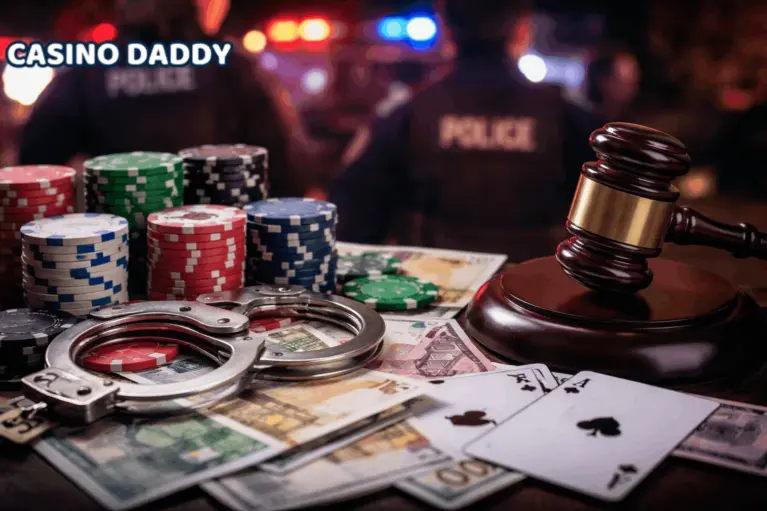
Greece is preparing a tougher legal response to illegal gambling as authorities move to strengthen enforcement and curb a black market that continues to drain public revenue. New legislative plans would significantly increase penalties for unlicensed gambling activity, targeting both operators and participants as part of a broader effort to restore control over the sector.
The proposed changes come at a time when regulators argue that existing measures no longer provide a strong enough deterrent. Despite years of enforcement actions, unlicensed betting remains widespread across physical venues and online platforms. Officials say the scale of the problem now requires harsher sanctions and clearer legal consequences.
A stronger legal framework takes shape
The draft legislation, now in preparation, aims to overhaul Greece’s criminal code as it applies to gambling offenses. Lawmakers want to align penalties more closely with the financial and social harm caused by illegal betting, particularly when it operates on an organized or commercial scale.
Under the planned framework, running an unlicensed gambling operation would carry mandatory prison sentences rather than suspended penalties or fines alone. Authorities want courts to treat illegal gambling as a serious economic crime rather than a regulatory violation. In cases involving structured operations, repeated offenses, or large financial turnover, prison terms could extend for several years.
Fines would also increase sharply, creating a dual punishment model that combines incarceration with significant financial penalties. Officials believe this approach will limit the profitability of illegal gambling networks and reduce repeat offenses.
Players also face criminal exposure
One of the most controversial elements of the proposal is its focus on participants, not just operators. Individuals who knowingly take part in illegal gambling activities could face criminal penalties, including potential prison sentences and fines.
Regulators argue that demand fuels the illegal market, and that enforcement cannot succeed without discouraging participation. The legislation draws a distinction between occasional involvement and repeated offenses, with harsher penalties reserved for those who continue to gamble illegally after warnings or prior convictions.
This shift reflects a broader policy change. Rather than treating players as passive victims, authorities now view them as contributors to a system that undermines licensed operators and consumer protections.
Closing loopholes and improving enforcement
The planned reforms would also give enforcement agencies broader powers to shut down illegal venues and intervene more quickly. Authorities want the ability to close premises immediately when illegal gambling is detected, rather than waiting for lengthy court procedures.
Additional provisions focus on obstruction of inspections. Anyone who interferes with regulatory checks, destroys evidence, or attempts to block investigators could face separate criminal charges. Officials say these measures are necessary to counter increasingly sophisticated efforts to evade detection.
Internet cafés and similar businesses are expected to face tighter scrutiny. Regulators have long identified these venues as common locations for illegal betting activity, particularly when disguised as gaming or entertainment services.
Why Greece is escalating now
Illegal gambling continues to represent a major financial problem for Greece. Authorities estimate that billions of euros circulate annually through unlicensed channels, depriving the state of tax revenue and weakening the regulated gambling market.
Licensed operators argue that the black market creates unfair competition. They face strict compliance requirements, consumer protection rules, and taxation, while illegal operators avoid these costs entirely. Regulators say the imbalance undermines trust in the legal system and weakens responsible gambling safeguards.
The government also points to broader social concerns. Illegal gambling operations often lack age controls, anti-money laundering checks, and player protection measures. Officials believe stronger penalties are necessary to reduce harm and prevent criminal exploitation.
What happens next
The draft legislation is expected to move through the formal legislative process in the coming months. Lawmakers will debate the scope of penalties, enforcement powers, and the balance between deterrence and proportionality.
If adopted, the new rules would mark one of Greece’s most aggressive efforts to date to suppress illegal gambling. Regulators are already signaling that enforcement will intensify once the framework is in place, with coordinated action across financial, digital, and physical channels.
For the gambling industry, the outcome could reshape the competitive landscape. Licensed operators are watching closely, while unlicensed platforms may face shrinking room to operate. For players, the message is clear. Greece intends to make illegal gambling far riskier than before, with consequences that extend well beyond a simple fine.

The Author
The Author
Slots and News Reviewer