


Luxembourg Moves to Crack Down on Illegal Gaming Machines


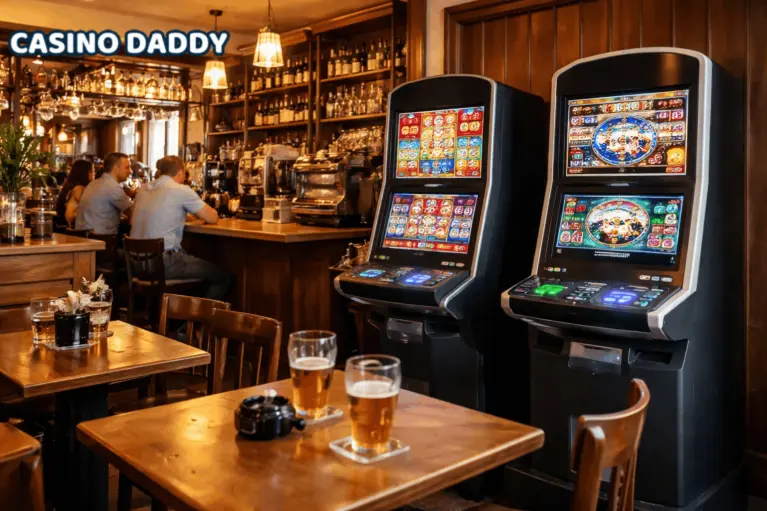
Luxembourg has taken a decisive step to curb the spread of illegal gambling by targeting unlicensed gaming terminals operating in bars, cafés, and other public venues. The government has introduced draft legislation designed to close long-standing legal gaps that have allowed these machines to function in plain sight despite strict national gambling rules.
The move matters now because enforcement agencies have struggled to act under existing laws. Machines marketed as internet kiosks or entertainment terminals have increasingly been used for gambling purposes, creating an unregulated market that operates outside state control. By tightening definitions and enforcement powers, authorities aim to restore clarity and limit illegal gambling activity across the country.
A Legal Grey Area Comes Into Focus
For years, Luxembourg’s gambling framework has relied on narrow definitions that made enforcement difficult. Many of the terminals in question do not resemble traditional slot machines at first glance. Instead, they present themselves as multi-purpose devices offering internet access or casual games, while still enabling real-money gambling.
This ambiguity has slowed down inspections and seizures. Authorities often needed lengthy assessments to prove that a machine was illegal, giving operators time to relocate or modify devices. The proposed legislation seeks to eliminate that uncertainty by clearly defining which characteristics qualify a terminal as a gambling device, regardless of how it is marketed.
Stronger Powers for Faster Enforcement
One of the central changes in the draft law is the expansion of enforcement authority. Inspectors would gain the ability to seize illegal terminals more quickly once they are identified, without prolonged procedural delays. This shift is intended to reduce the operational lifespan of unlawful machines and discourage repeat violations.
The legislation also broadens responsibility beyond suppliers. Venue owners who host illegal terminals would face direct consequences, including fines and potential further sanctions. By holding both sides accountable, the government hopes to remove the financial incentive that has allowed these machines to proliferate in everyday social spaces.
Transitional Period for Businesses
To avoid sudden disruption, the proposal includes a short transitional period before penalties are enforced. During this window, businesses will have the opportunity to remove questionable terminals or confirm their legal status. The goal is to encourage compliance rather than immediate punishment, while still setting a clear deadline for action.
Officials see this grace period as a practical compromise. It acknowledges that some operators may not fully understand the legal status of the machines they host, while making it clear that tolerance for non-compliance will end once the transition concludes.
Protecting a Tightly Controlled Gambling Market
Luxembourg maintains one of Europe’s more restrictive gambling environments. Land-based gambling outside the national framework is limited, and state oversight plays a central role in permitted activities. The unchecked presence of illegal terminals has increasingly been viewed as undermining that model.
Beyond regulatory consistency, the issue also touches on consumer protection. Unlicensed machines operate without safeguards related to fairness, responsible gambling, or payout transparency. Shutting them down reduces exposure to unregulated risks and aligns public venues with the country’s broader policy approach.
A Signal of Broader Reform Ahead
While the draft law focuses specifically on physical terminals, it is widely seen as part of a broader reassessment of gambling regulation. Officials have indicated that online gambling remains an unresolved area that may require future legislative attention. The current initiative sets a precedent for closing loopholes before expanding or modernising other parts of the framework.
For now, the priority is clear enforcement. If adopted, the legislation would give authorities the tools they have long lacked, while sending a strong signal to operators who have relied on legal ambiguity. The coming months will determine how quickly the measures move forward and how effectively they reshape Luxembourg’s on-the-ground gambling landscape.

The Author
The Author
Slots and News Reviewer