











Macau Prepares to Close the Chapter on Satellite Casinos


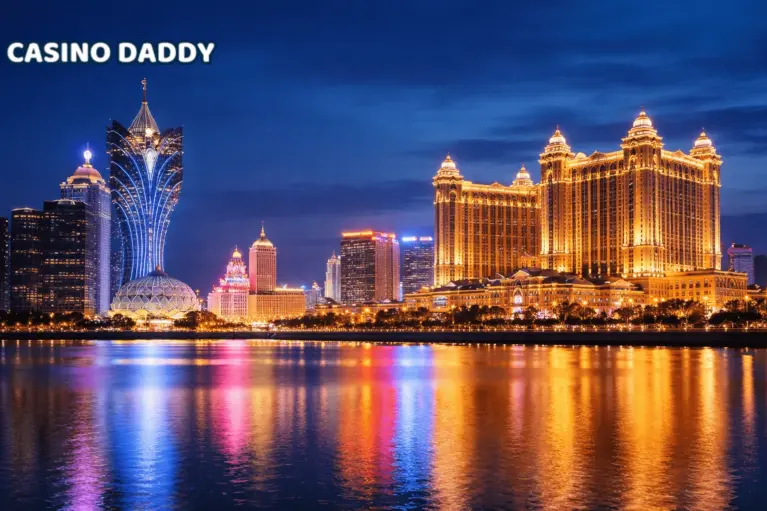
Macau is set to phase out satellite casinos, bringing an end to a model that has shaped the city’s gaming landscape for decades. The decision confirms that satellite venues will not continue operating under third-party arrangements once the current transition period expires, forcing operators and property owners to make final decisions about closures, acquisitions, or redevelopment.
The move marks a decisive shift in how Macau wants its casino industry structured. By eliminating satellite casinos, authorities are tightening control over gaming operations and reinforcing a model centered on fully owned and directly managed casino resorts.
Why Satellite Casinos Played a Key Role in Macau’s Growth
Satellite casinos emerged as a practical solution during Macau’s rapid expansion. Under this structure, third-party venues hosted gaming tables under the licenses of major concessionaires. The concessionaires handled regulatory compliance and staffing, while venue owners provided the property and shared revenue.
This arrangement allowed gaming activity to spread beyond large integrated resorts and into older urban districts. Smaller properties could participate in the casino economy without holding full licenses, while concessionaires increased table presence without heavy capital investment.
Over time, satellite casinos became deeply woven into local communities. They created employment, supported nearby businesses, and kept gaming traffic flowing through areas outside Cotai’s resort corridor.
Regulatory Concerns Behind the Decision
Despite their economic role, satellite casinos have long posed regulatory challenges. The split between license holder and property owner created blurred accountability, making oversight more complex than in concessionaire-owned resorts.
As Macau overhauled its gaming laws during the latest license renewal process, regulators signaled a preference for clearer operational structures. Authorities have emphasized that future casino activity must be directly controlled by licensed operators, with full responsibility for compliance, staffing, and financial reporting.
Ending the satellite model aligns with that objective. It simplifies supervision and ensures that all gaming floors operate under consistent governance standards.
What This Means for Operators
Concessionaires now face a straightforward but difficult choice. They can acquire satellite properties and bring them under direct ownership, or they can exit those locations entirely.
For many older venues, acquisition may not be commercially attractive. Satellite casinos often lack the scale, amenities, and layout expected by modern visitors. Competing with large integrated resorts would require extensive renovation and long-term investment.
As a result, industry observers expect most satellite casinos to close rather than transition into concessionaire-owned properties. This will reduce the overall number of gaming floors while further concentrating activity within major resorts.
Impact on Workers and Local Businesses
The human and economic consequences remain one of the most sensitive aspects of the transition. Satellite casinos employ thousands of workers across gaming, security, maintenance, and hospitality roles.
While some employees may be reassigned to larger resorts, not all positions can be absorbed. Workers tied to venues that close completely face uncertainty, especially those living in districts heavily dependent on satellite casino employment.
Local businesses are also exposed. Restaurants, shops, and small hotels near satellite casinos rely on steady foot traffic generated by gaming activity. Their future will depend on how quickly alternative uses emerge for former casino properties.
A Strategic Shift in Macau’s Gaming Vision
The end of satellite casinos fits into a broader transformation of Macau’s gaming industry. Authorities have repeatedly stressed the need for stronger regulation, long-term sustainability, and economic diversification.
By consolidating casino operations within fully controlled resorts, the government gains tighter oversight while pushing concessionaires to invest in non-gaming attractions. Entertainment, tourism, and cultural offerings are expected to play a larger role as Macau reduces its dependence on pure gaming revenue.
This approach mirrors other regulatory reforms that have reshaped the market, including tighter junket oversight and stricter capital controls.
What Happens Next
The transition period now becomes critical. Operators must finalize decisions on closures or acquisitions, while property owners assess redevelopment options for former casino spaces.
How smoothly workers are reassigned and communities adapt will shape public perception of the reform. For Macau, the end of satellite casinos is not just an operational change, but a statement about the future direction of its gaming industry.
As the curtain closes on this long-standing model, the city is entering a more centralized and tightly regulated era, one that will redefine how and where casino gaming operates in the years ahead.

The Author
The Author
Slots and News Reviewer