











Nevada Sportsbooks See Super Bowl Wagers Hit Decade Low


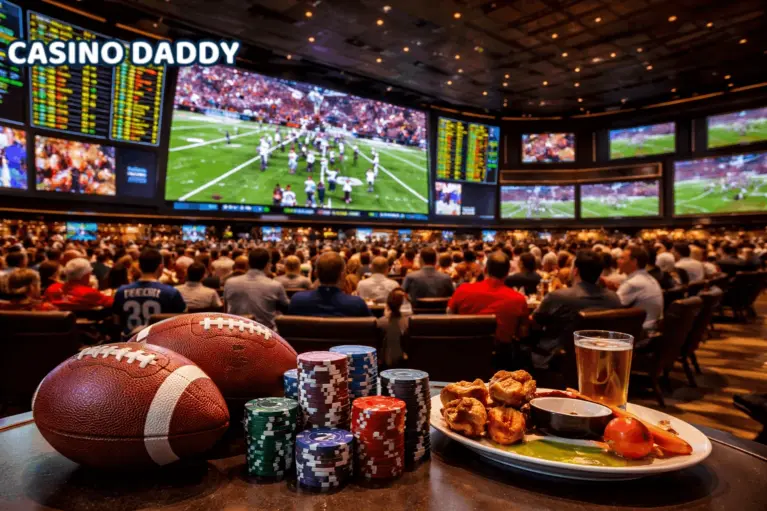
The grip Nevada has on Super Bowl wagering continues to loosen. Sportsbooks across the state reported their lowest betting handle on the NFL championship game in ten years, signaling another shift in the evolving U.S. sports betting landscape.
While operators still walked away profitable, the drop in overall wagering highlights mounting competition from other regulated states and alternative betting platforms. The figures underscore how dramatically the market has changed since nationwide legalization expanded beyond Nevada’s borders.
Betting Handle Falls to 10-Year Low
Nevada sportsbooks accepted approximately $133.8 million in wagers on this year’s Super Bowl, marking the lowest total since 2016. The figure represents a notable decline compared to recent years and continues a downward trend that has now stretched across multiple Super Bowls.
Only a few years ago, Nevada regularly posted record-setting numbers for the NFL finale. Now, the state faces a very different environment. Since the U.S. Supreme Court struck down the federal sports betting ban in 2018, dozens of states have launched their own regulated markets. Bettors no longer need to travel to Las Vegas to legally place a wager on the biggest game of the year.
That expansion has steadily chipped away at Nevada’s once-dominant position.
Sportsbooks Still Turn a Profit
Despite the softer handle, Nevada operators still reported a win on the game. Sportsbooks posted a hold percentage of roughly 7.4 percent, translating to nearly $10 million in revenue from Super Bowl betting.
The result continues a long-standing trend: sportsbooks typically come out ahead on the Super Bowl, even when overall wagering dips. However, the win total fell short of the blockbuster profits seen in peak years when betting volume surged past prior records.
Operators managed risk effectively, and betting patterns did not produce the kind of public-heavy outcomes that can significantly damage sportsbook margins.
Why Nevada Is Losing Share
Several structural shifts explain the decline in Nevada’s Super Bowl betting handle.
Nationwide Legalization
The most obvious factor is competition. States such as New Jersey, New York, Illinois, and others now offer legal online sports betting. Bettors can place wagers through mobile apps without traveling. That convenience has dramatically redistributed wagering volume across the country.
Nevada no longer serves as the default destination for large-scale event betting.
Growth of Online Platforms
Mobile-first sportsbooks dominate today’s market. Many newer bettors engage exclusively through apps, promotions, and digital ecosystems that extend far beyond the physical sportsbook experience Nevada pioneered decades ago.
Promotional offers, risk-free bets, and integrated media partnerships drive engagement in ways traditional retail sportsbooks struggle to match.
Changing Betting Behavior
Super Bowl wagering has also evolved. Prop bets, same-game parlays, and micro-markets now account for significant portions of betting activity nationwide. While Nevada books offer these products, national operators often push aggressive marketing campaigns around them.
Some analysts also point to the growing visibility of prediction markets and alternative financial-style wagering platforms. These newer channels may siphon off bettors who once placed action through Nevada sportsbooks.
Broader Implications for Nevada
The decline does not suggest crisis. Nevada remains a major gambling hub with strong tourism, diversified gaming revenue, and a mature regulatory framework. However, the state’s sports betting model faces long-term pressure.
Super Bowl betting once served as a symbolic showcase of the dominance Nevada has in regulated wagering. That dominance now looks more distributed. The state must compete in a nationwide market rather than operate as a near-monopoly.
For policymakers and operators, the numbers reinforce a key reality: growth opportunities now depend on innovation rather than exclusivity.
What Comes Next
Future Super Bowls will test whether this year’s decline represents a temporary dip or part of a longer trajectory. Market saturation, economic conditions, and matchup appeal can all influence annual results. Still, the structural shift toward nationwide competition remains the most significant factor.
Nevada sportsbooks have proven resilient for decades. They continue to generate profits even when headline betting numbers fall. The question now is how they adapt to a market where the Super Bowl no longer flows primarily through Las Vegas.
As the national sports betting ecosystem expands and evolves, Nevada must find new ways to stand out. The state’s legacy remains strong, but its once-unchallenged leadership is now part of a much larger, more competitive arena.

The Author
The Author
Slots and News Reviewer