








New York Sweepstakes Ban Targets Dual-Currency Games


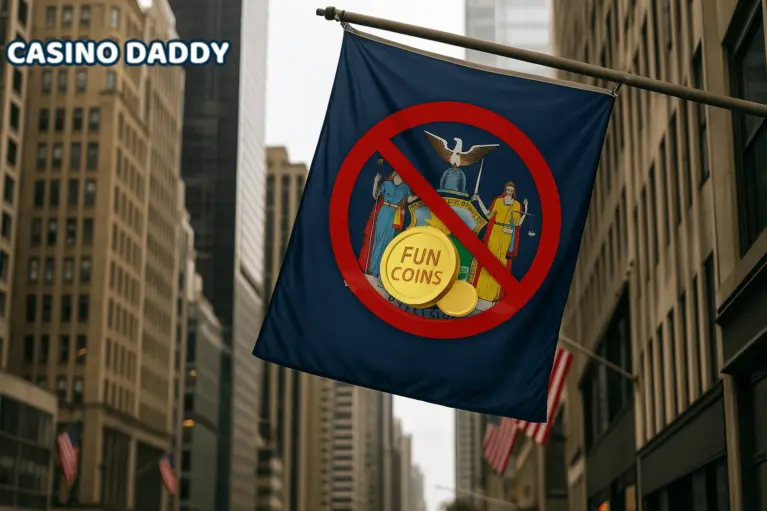
Latest New York sweepstakes ban introduces one of the strongest U.S. crackdowns on dual-currency gaming models. Lawmakers enacted the measure to stop sweepstake-style platforms that let players convert virtual winnings into real-world rewards. Regulators now hold broad authority to pursue operators, suppliers, and affiliates that continue supporting these services. The decision reshapes the state’s fast-growing alternative gaming market and signals rising pressure on similar businesses across the country.
Why New York Passed the Ban
New York targeted sweepstake-style platforms because many operated in a legal grey zone. These sites often used two currencies: one for gameplay and another redeemable for cash or prizes. Although operators argued that the model avoided gambling definitions, state officials disagreed. Legislators viewed the system as gambling in practice, since players risked value for the chance to win monetary rewards.
The new law closes that loophole. It defines these dual-currency systems as prohibited gambling products and grants enforcement powers to both the New York State Gaming Commission and the Office of the Attorney General. Regulators can now issue penalties against operators and any partners that assist them.
How the Ban Works
The ban blocks platforms from offering sweepstake-style games to New York customers. Officials can take action against a wide range of entities, including:
- Operators that host dual-currency gaming systems
- Payment processors that handle related transactions
- Content providers offering technical support or game assets
- Affiliates that promote or direct traffic to prohibited platforms
By targeting the entire support chain, the law prevents companies from bypassing restrictions through intermediaries. The structure mirrors recent actions in other states that moved to limit social-casino or sweepstakes-casino models.
Industry Impact and Market Reaction
The New York sweepstakes ban forces operators to either leave the state or redesign their systems. Many will likely remove cash-redeemable mechanics to remain active. Others may shift toward fully regulated gambling markets, which require licensing and stricter oversight.
Payment firms and marketing partners must also review their involvement. Any continued support for prohibited models exposes them to enforcement action. This change may reduce revenue for networks tied to sweepstakes-style traffic.
The decision arrives as several states review similar products. California recently implemented its own restrictions, and others may follow New York’s example. The move highlights a national trend toward tighter definitions of online gambling and increased regulatory intervention.
What the Ban Means for Players
Players in New York will no longer access sweepstake-style platforms offering dual-currency systems. Providers may shut down state access, disable cash-out features, or shift to free-to-play formats. Consumers must now rely on licensed gambling operators for games that involve real-money outcomes.
The measure aims to reduce confusion about what qualifies as gambling. Officials believe clearer rules protect consumers and prevent misleading marketing that blurs entertainment and wagering.
Final Thoughts
The New York sweepstakes ban establishes a new regulatory standard for alternative gaming models in the state. Lawmakers targeted dual-currency systems that functioned like gambling without holding gambling licences. The broad enforcement powers ensure that operators, suppliers, and affiliates must adjust quickly. As the market responds, New York could influence national policy and prompt further restrictions across the online gaming sector.

The Author
The Author
Slots and News Reviewer