


Austria Sports Betting Warnings Rise With the World Cup


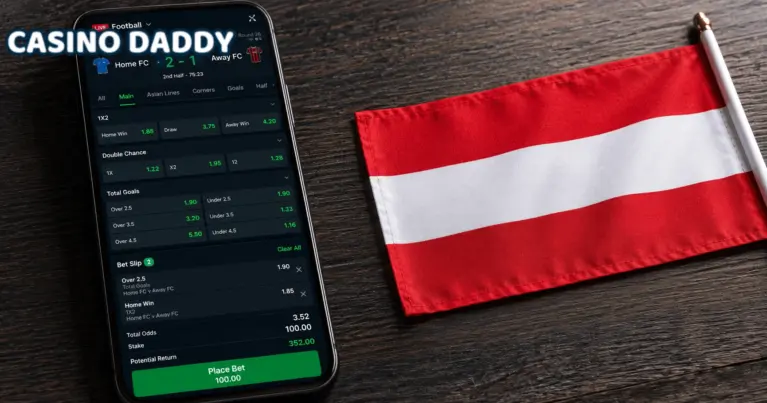
The 2026 FIFA World Cup has barely begun, and regulators across Europe and Asia are raising red flags. In Austria, health officials and addiction experts are pushing hard for gambling law reform. Their concern is clear: Austria sports betting operates in a legal grey zone, and the World Cup is making the consequences of that harder to ignore.
Austria’s Regulatory Blind Spot
Austria stands alone in the European Union. It is the only member state that does not legally classify most sports betting as gambling. That distinction matters. Without that classification, operators face far weaker advertising restrictions, player protection rules carry little weight, and taxation gaps remain wide open.
Vienna’s coordinator for psychiatry, addiction, and drug issues, Ewald Lochner, put the problem plainly. Many bettors overestimate how much their football knowledge improves their odds. This false confidence, what addiction experts call the “illusion of control,” is one of the key psychological drivers of problem gambling. The more compelling the sporting event, the stronger that illusion tends to grow.
Lisa Brunner, chairwoman of the Austrian Association for Addiction Prevention, made the case for reform directly. Sports betting carries high addiction potential and depends heavily on chance, she argued, and a full overhaul of Austria’s gambling law is now necessary. Her concern is not just the product itself. It is the normalisation effect that comes with it. The bigger the sporting event, the more betting weaves itself into everyday conversation and social behaviour.
Calls for a Full Law Overhaul
Austrian authorities are not waiting for reform to provide support. The Anton-Proksch-Institute and a network of nationwide self-help programs already offer counseling to those affected by gambling addiction. But officials argue that reactive support is not enough while the legal framework stays this weak.
The country has been working toward a significant regulatory shift. Plans to end the current iGaming monopoly and introduce an open licensing system with clear qualitative standards have been in development. Simon Priglinger-Simader, president of the Austrian betting and gaming association ÖVWG, has welcomed that direction. He described the move toward open licensing as a positive step, one that could bring stronger accountability to the market.
The argument is straightforward. Bringing Austria sports betting activity into a properly regulated framework protects players better than the current patchwork system. Licensed operators face compliance requirements. Unlicensed ones do not.
South Korea Takes a Different Approach
While Austria pushes for legal reform, South Korea has gone straight to enforcement. The Korea Communications Standards Commission blocked 1,280 unlicensed sports betting websites ahead of the tournament. Authorities cited the risks of live-betting exploitation and the real possibility of users losing deposited funds to fraudulent operators.
South Korea’s Gambling Control Commission also launched a tip-based reporting system, rewarding members of the public who identify and report illegal operators. The campaign runs through July 31, covering the full duration of the World Cup. Licensed operators are working alongside regulators to monitor suspicious betting activity during that period.
A Wider European Concern
Austria and South Korea are not alone in raising the alarm. Regulators in France, the Netherlands, South Africa, and Malta have all issued warnings about illegal betting activity during major sporting tournaments. France’s gambling authority ANJ has focused on the dangers of excess, while the Dutch regulator KSA has pledged swift enforcement against violations.
A shared concern runs through all of these warnings. Aggressive marketing, betting sponsorships of football clubs, and the deep integration of wagering with live-streamed matches push betting toward social normalisation. Young people and those with existing vulnerabilities carry the most exposure. The World Cup creates a compressed, high-intensity window where all of those pressures land at once.
What Comes Next for Austria Sports Betting
The pressure on Austria is real. As the only EU country without proper legal classification for Austria sports betting, the gap in consumer protection has become difficult to defend. Addiction specialists want the law overhauled before the next major tournament cycle. Industry leaders want an open licensing system that gives operators a clear compliance path.
The World Cup will run its course regardless. But the debate it is forcing on Austria sports betting regulation could reshape how the country governs this market for years to come. The question is not whether change will come. It is how fast.

The Author
The Author
Slots and News Reviewer