











QuinnBet UKGC Fine Reaches £609K Over Player Safety Gaps


British regulators have handed down another penalty, and this one carries some uncomfortable detail. The UKGC fine against QuinnBet totals GBP 609,104, roughly $830,000, after an investigation into the Gibraltar-based operator behind quinnbet.com. Investigators found problems on two separate fronts. Anti-money laundering controls missed obvious red flags, while safer gambling systems let risky play run unchecked for days at a time.
Young Adults Outspent Their Own Protections
One finding stands out from the rest. QuinnBet ran a manual process that allowed customers aged 18 to 24 to spend more than the limits normally applied to that age group. Younger players carry a higher risk profile, and UK rules treat them accordingly. A manual workaround stripped that protection from the exact people it exists to cover.
The regulator also found that eligible customers did not consistently go through light-touch financial vulnerability checks. Those checks act as a basic filter, catching cases where spending outpaces what someone can reasonably afford. Skipping them leaves an operator blind at the point where it most needs visibility.
Bet Volumes That Should Have Triggered Alarms
QuinnBet’s responsible gambling monitoring struggled to pick up standard harm indicators. High deposits, short bursts of rapid play, climbing stakes, rising bet counts and heavy turnover all passed without meaningful review. Any one of those patterns would normally prompt a check-in with the customer.
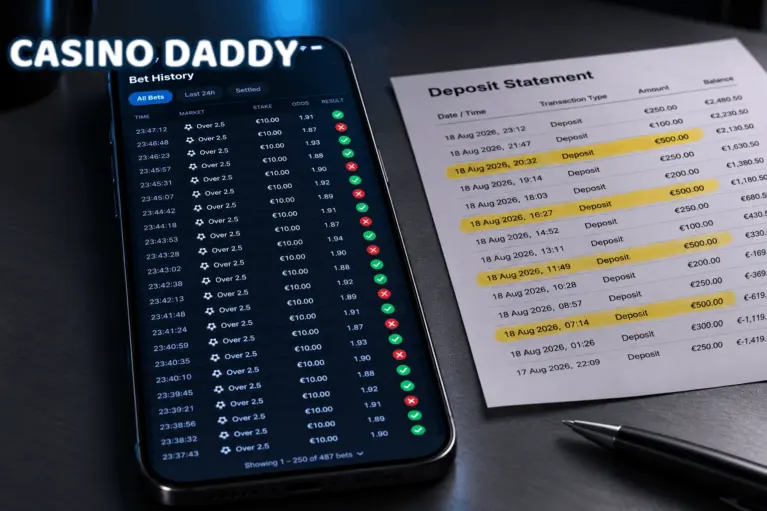
The numbers behind the case make the gap concrete. One customer placed 4,800 bets in a single day, then followed that with 7,000 bets the next. Nobody flagged the account for potential harm at any point across those two sessions.
Another case involved a big win followed by an enormous wager. The player staked GBP 215,000 the day after that win, and the account only surfaced through a report filed a day later. Timing matters here, because a delayed flag does nothing for someone already deep into a losing run.
Deposits That Nobody Questioned
The AML side of the investigation produced its own list of failures. QuinnBet lacked the risk mitigation controls needed to spot potential financial fraud quickly. Customers could move significant sums onto the platform before anyone asked where the money came from.
One example makes the point plainly. A customer declaring an income of GBP 2,000 a month deposited GBP 9,000 across four days. That mismatch between stated earnings and actual spending is precisely what source of funds checks exist to catch.
The regulator also found weak controls around suspicious activity reporting. Operators must file these reports promptly, because delays give criminal activity room to continue. QuinnBet’s process did not guarantee that reports went out as fast as the rules require.
Taken together, the two strands of the investigation point in the same direction. QuinnBet had systems in place, but those systems reacted far too slowly to matter. A control that spots a problem after the money has already moved offers very little protection to anyone.
QuinnBet Faces a UKGC Fine of GBP 609,104
John Pierce, the UKGC’s director of enforcement, tied the size of the penalty directly to the nature of the failures. He pointed to the consequences of running systems and controls that cannot identify and respond to indicators of harm and financial crime quickly enough. Speed sat at the core of the problem rather than any total absence of process.
Pierce added that operators must maintain stable controls covering both harmful gambling and financial crime. He also urged the wider industry to read the published statement and avoid repeating the same mistakes. That message reads as a warning shot aimed well beyond a single operator.
The Operator Has Already Started Fixing Things
QuinnBet has not pushed back against the findings. The company recognised its shortcomings and moved quickly to overhaul the systems, policies and procedures that failed. Pierce described that response as the one positive element in an otherwise critical assessment.
Timing puts this case inside a wider pattern. The action against QuinnBet follows closely behind a separate penalty issued to Holland Park Leisure over a self-exclusion breach. British regulators have kept up a steady stream of enforcement this year. The message to UKGC licensees has stayed consistent throughout.
For players, the details matter more than the headline figure. Bet counts in the thousands, deposits far beyond stated income, young adults spending past their own limits. Each of those findings describes real customers who slipped through the gaps at a licensed operator. The penalty gives QuinnBet a firm deadline for proving those gaps are now closed. Every other UK licensee has a fresh case study to measure their own controls against.

The Author
The Author
Slots and News Reviewer