










UK Plans Powerball Betting Ban to Close National Lottery Gap


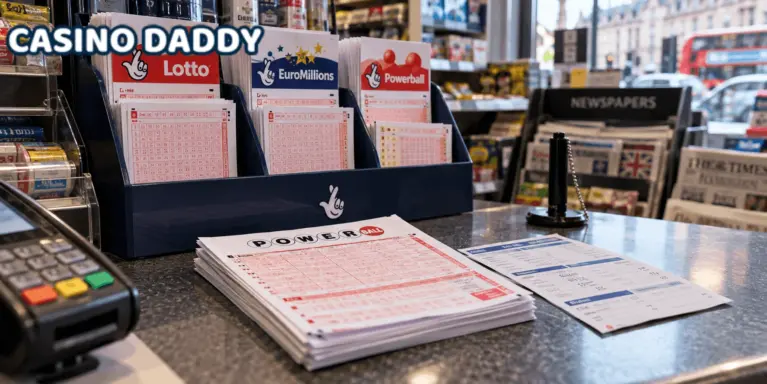
The UK government wants a Powerball betting ban in place before bookmakers turn the National Lottery’s newest game into a side market of their own. On 23 September, the Department for Digital, Culture, Media and Sport (DCMS) opened a consultation on the plan. It would stop licensed operators from offering bets on Powerball draws to customers in Great Britain, bringing the game in line with every other National Lottery draw.
How Powerball Slipped Through the Net
Allwyn UK, the operator of the National Lottery, added Powerball to its portfolio on 21 July 2026. This was the game’s first official launch outside the United States, and it came with a reputation for huge jackpots. The biggest US prize to date, a $2 billion jackpot, went to a single ticket in November 2022.
Section 95 of the Gambling Act 2005 already bars betting licence holders from taking wagers on National Lottery games. That rule covers Lotto, EuroMillions and Thunderball. However, the UK version of Powerball runs on the underlying US draw, which sits outside the National Lottery, so bookmakers can still legally take bets on it.
The result is two very different products built on the same numbers. A handful of operators offered bets on the US draw to UK customers long before Allwyn brought the game over. Since July, players can buy an official ticket or bet with a third party on the exact same result, which is why ministers now want to ban Powerball betting.
Why Ministers Want to Ban Betting on Powerball
Vicky Foxcroft, the DCMS minister responsible for gambling, said these bets run against the spirit of Section 95. She warned that betting on Powerball risks confusing customers and could drain money meant for good causes. Her department’s answer is a ban that stops licensed operators in Great Britain from offering those bets at all.
Confusion sits at the heart of the case. A 2014 call for evidence found that players mixed up EuroMillions betting products with the real draw. Voluntary steps from operators and extra guidance from the Gambling Commission failed to fix the problem, so the government banned betting on non-UK EuroMillions draws in 2018.
Good Causes Money on the Line
Funding for good causes forms the second pillar of the plan, since the National Lottery raises around £1.8 billion a year for arts, heritage, sport and community projects. Roughly 23% of ticket sales go to those causes. Bookmakers face no duty to donate anything from Powerball bets, and they often price them below an official ticket.
Allwyn expects Powerball to raise an extra £1 billion for good causes over the next five years. That figure feeds a wider goal of doubling good cause funding to £60 million per week by 2034. So every pound a player spends on a third-party bet instead of a real ticket works against that target.
The government admits it lacks up-to-date evidence on how much money a Powerball betting ban would actually move across. For that reason, the consultation asks bettors if they would spend the same money on official tickets instead. It also asks operators what share of their gross gambling yield comes from betting on Powerball.
What a Powerball Betting Ban Would Look Like
The ban would take the form of a new licence condition under Section 78(1) of the Gambling Act 2005. It would cover general betting, pool betting and betting intermediary licences. Because the Powerball betting ban is so targeted, operators could still take bets on lotteries like the Irish Lotto.
Ministers weighed three other options before settling on this approach. They ruled out a blanket ban on all lottery betting as too harsh on businesses. Forcing operators to donate to good causes also failed the test, because it would blur the line between betting and playing even further. Voluntary action was out too, since it had already fallen short with EuroMillions.
What Happens Next
The six-week consultation closes at 23:59 on 4 November 2026. DCMS wants views from operators, lottery groups, players and good cause recipients before it decides on a Powerball betting ban. Operators that currently offer these bets can also submit estimates of their transition and familiarisation costs.
The proposal lands at a busy time for UK gambling policy, with retail licensing and machine tax also under discussion. A ban on Powerball betting would be narrow in scope, but it would close a gap that opened the moment Allwyn brought the game to Britain. If ministers follow through, an official ticket will be the only legal way for Britons to back a Powerball draw.

The Author
The Author
Slots and News Reviewer