








Norway Online Poker Plan Hands Norsk Tipping the Only Seat


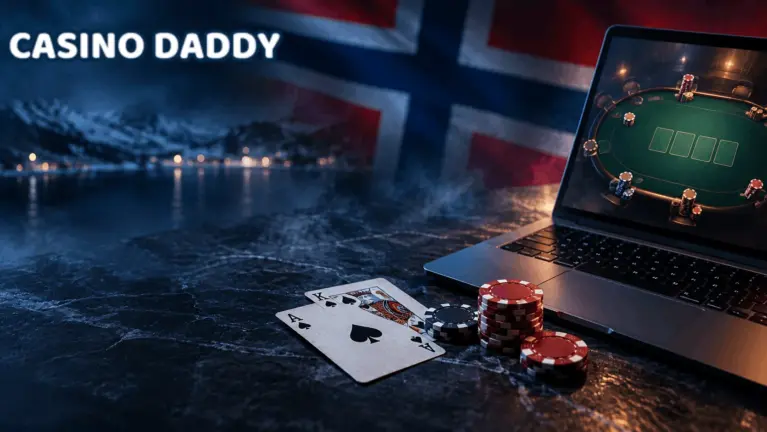
Norway spent the last decade squeezing commercial gambling companies out of its market. Now the government wants one of their most popular products back, only this time under state control. The Ministry of Culture and Equality launched a fast-track consultation on 29 September that would make online poker in Norway legal through Norsk Tipping, the state monopoly operator. Somewhere between 90,000 and 150,000 Norwegians already play the game on foreign sites every year, and the ministry wants them home.
One Operator, Two Formats, No Competition
Most governments legalise poker by issuing licences to private companies. Norway picked a far narrower route. The consultation would amend national gambling regulations to authorise Norsk Tipping to offer “nettpoker” in two approved formats, tournament poker and cash games, with no room at all for commercial rivals.
That decision follows the logic of existing Norwegian law. Norsk Tipping must run games that warrant special public control because of high stakes or gambling-related risk, and the ministry places poker firmly in that bracket. The game blends chance and skill, it saturates unlicensed sites, and it already commands a sizeable Norwegian following. Regulating online poker in Norway through the monopoly therefore reads as an extension of what Norsk Tipping already does online.
Strict Limits Shape Norway’s Online Poker Rules
The harm-reduction measures run unusually deep. Players would face a daily loss cap of NOK 5,000, roughly $521, plus a monthly ceiling of NOK 10,000. Anyone under 20 gets a tighter monthly limit of NOK 2,000.
Buy-ins carry their own ceilings. Tournament entries top out at NOK 2,500 including fees, while cash game buy-ins cannot exceed NOK 1,000. Cash tables would run with a maximum big blind of NOK 10 and a small blind of NOK 5, which keeps stakes well below what international rooms offer.
Time controls matter just as much as money here. Tournament players must take a mandatory five-minute break after every hour at the table, and cash players can set personal session limits backed by monitoring tools Norsk Tipping would be expected to build. The proposal also caps players at four simultaneous tables, a direct swipe at the multi-tabling habits that make losses hard to track. Switch straight from poker to an online casino product and a 15-minute enforced pause kicks in.
The Gap PokerStars Left Behind
Online poker in Norway did not disappear when the big brands walked away, though the market changed shape. PokerStars pulled out in 2023. Unibet and 888 removed their local offerings too, and smaller grey market rooms followed them out the door.
Norwegian players kept playing anyway, just on sites with less visibility and no local accountability. The numbers behind the proposal explain the ministry’s urgency. A 2022 University of Bergen survey found close to 90,000 Norwegians playing online poker through overseas platforms each year, while Norsk Tipping’s own research puts the figure between 100,000 and 150,000 annually, with as many as 130,000 active in a single quarter.
Culture and Equality Minister Lubna Jaffery framed the change as harm reduction rather than a revenue grab. “Many Norwegians play online poker,” she said, arguing that a responsible domestic offer beats leaving them with unregulated games at foreign commercial companies.
Marketing and Reporting Questions Stay Open
The ministry left the advertising question unresolved. It asked respondents to weigh a full marketing ban for Norway’s online poker product against tighter restrictions, with particular concern for younger players drawn in by poker’s cultural standing.
A second proposal reaches well beyond poker. The ministry wants a mandatory incident reporting duty covering the largest operators, including Norsk Tipping, Norsk Rikstoto and major bingo and lottery suppliers. Those companies would disclose serious incidents and operational deviations to Lotteritilsynet proactively, giving the regulator room to intervene earlier.
A third item deals with local bingo money. Proceeds would only reach organisations holding verified bank accounts tied to the national Voluntary Organisations Register, with active registration confirmed at the time of payment. Unclaimed funds revert to Norsk Tipping for redistribution.
Can the Caps Compete With Offshore Rooms?
Channelisation is the real test. A legal online poker product in Norway arrives with loss caps, blind limits and forced breaks that no offshore room imposes, and experienced players notice that kind of friction immediately. Norsk Pokerforbund, the national poker federation, has backed a regulated domestic product before, pointing to safer conditions than players find on unlicensed platforms.
Recreational players may well take that trade. High-volume grinders probably will not, because a NOK 10 big blind and a four-table limit cut straight into how they make the game work. But the ministry is not chasing grinders. It wants the large middle of the market, the people who play a few nights a week and currently have no safe option at home.
What Happens Next
The consultation gives the industry its first detailed look at how online poker in Norway would operate under state control. No launch date has been published, and the ministry has not confirmed when any new regulations would take effect. Responses will shape the final text, especially on marketing, where the distance between a full ban and partial restriction is wide.
For now this stands as the most concrete move Norway has made toward a legal poker product in years. Player numbers will decide the rest, and that depends less on the regulation than on how the product actually feels once the tables open.

The Author
The Author
Slots and News Reviewer