








Horseshoe Baltimore Pays Dealer $150K to End ADA Lawsuit


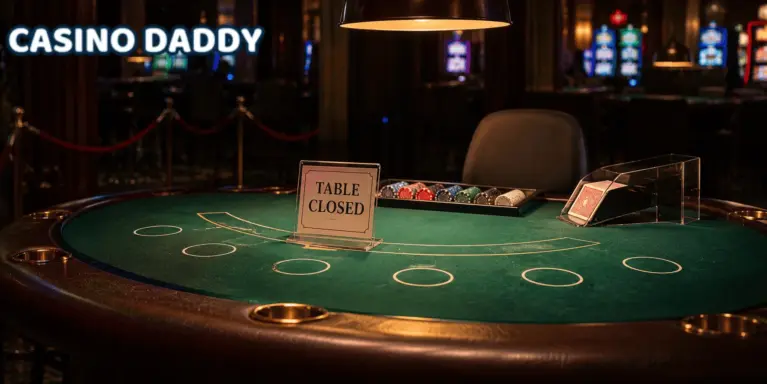
Caesars Entertainment has closed out a federal discrimination case in Maryland, and the cheque is the smaller half of the story. A judge approved a $150,000 settlement on November 3, ending a Horseshoe Baltimore discrimination lawsuit that the US Equal Employment Opportunity Commission filed. The case began on the casino floor, where a blackjack dealer suffered a heart attack during an overnight shift and then lost his job while he recovered from surgery. A three-year consent decree now governs how the property handles sick and injured staff.
A Heart Attack Days Into a New Role
Quann Massey had worked at the property since December 2022 and stepped into a table games dealer role in April 2023. Days later, he collapsed on the gaming floor during an overnight shift. Doctors admitted him to cardiac intensive care, he underwent surgery, and he spent an extended stretch on medical leave while he recovered.
Massey stayed in touch with his employer throughout. He asked about coming back on an altered schedule with adjusted hours and other job modifications, the kind of request that triggers specific obligations for an employer under federal law. The complaint says management gave him one answer: he should not return at all if he still had medical restrictions.
He found out he no longer had a job only when he called to ask about light duty options. Nobody had told him. The casino then refused to rehire him, and that sequence eventually gave Horseshoe Baltimore a federal lawsuit to answer.
How Horseshoe Baltimore Ended Up in a Federal Lawsuit
The commission tried to settle the dispute privately first, which is standard procedure before any litigation begins. Conciliation failed, and on December 30, 2025 the agency filed suit in the US District Court for the District of Maryland. CBAC Borrower LLC, Caesars Baltimore Management Co. LLC and Caesars Entertainment Inc., which trade together as Horseshoe Casino, all appeared as defendants.
The legal theory rested on the Americans with Disabilities Act. Investigators argued that the casino demanded a full-duty return with no restrictions, skipped the back-and-forth the ADA requires once a worker asks for accommodations, and retaliated when Massey pushed for his rights. Horseshoe Baltimore settled before the lawsuit reached a jury, which is how most cases of this type end.
Caesars conceded none of it. The consent decree resolves the claims rather than testing them, so the allegations stand as allegations and nothing in the agreement establishes that the company broke the law. That distinction matters even when the outcome looks decisive on paper.
What the $150,000 Actually Covers
Horseshoe Baltimore settles the lawsuit in two separate payments. Massey receives $130,000 in compensatory and punitive damages plus $20,000 in back pay, and the companies have 30 days from approval to hand the money over. US District Judge Brendan A. Hurson signed off on the agreement on Tuesday, November 3.
Set against Caesars revenue, the number barely registers. The operator pulls in billions a year across its US portfolio, so a six-figure payment reads as a rounding error. The real cost of the Horseshoe Baltimore case arrived with the lawsuit’s non-monetary terms, which bind the property for the next three years.
Three Years of Federal Oversight
Horseshoe Baltimore walks out of the lawsuit barred from discriminating on the basis of disability and from retaliating against anyone who asserts rights under the ADA. Managers, supervisors and human resources staff must sit through three-hour disability discrimination training sessions. Everyone else gets two hours.
Reporting runs on a 120-day cycle. Horseshoe Baltimore has to document every accommodation request it receives and explain how it handled each one, then send that record to the commission for the full three-year term the lawsuit produced. Federal monitoring of that kind reshapes daily HR practice in a way a one-time cheque never does, because somebody has to justify every decision in writing.
What Horseshoe Baltimore’s Lawsuit Means for Floor Staff
Dealing is physical work. Dealers stand for most of a shift, work nights, and operate under constant surveillance and performance pressure, all of which makes medical restrictions genuinely awkward to schedule around. That difficulty does not remove an employer’s duty to try.
No-restrictions return policies turn up across the hospitality and gaming sector, and they attract EEOC attention precisely because they skip the individual assessment the law demands. An employer has to weigh the specific person, the specific job and the specific limitation before it decides anything. Blanket rules fail that test almost by definition.
Other operators have a reference point now. Horseshoe Baltimore put a price on the lawsuit, and the decree attached to it tells any casino HR department what a broken accommodation process can cost beyond the cheque itself. Plenty of properties run similar policies without ever testing them.
Where the Case Leaves Caesars
Massey gets his money within the month. Caesars walks away without an admission, with a modest bill and with a compliance programme it now has to run regardless. For the rest of the industry, the Horseshoe Baltimore outcome lands as a cheap lawsuit settlement that carries a far more expensive aftertaste for any operator running the same return-to-work policies.
The next three years will produce a paper trail the commission can read every four months. If the property handles accommodation requests the way the decree requires, the agreement simply expires in 2029 and nobody hears about it again. If it does not, the agency already knows exactly where to look.

The Author
The Author
Slots and News Reviewer