








Bulgaria Gambling Act Would Ban Ads and End Affiliates


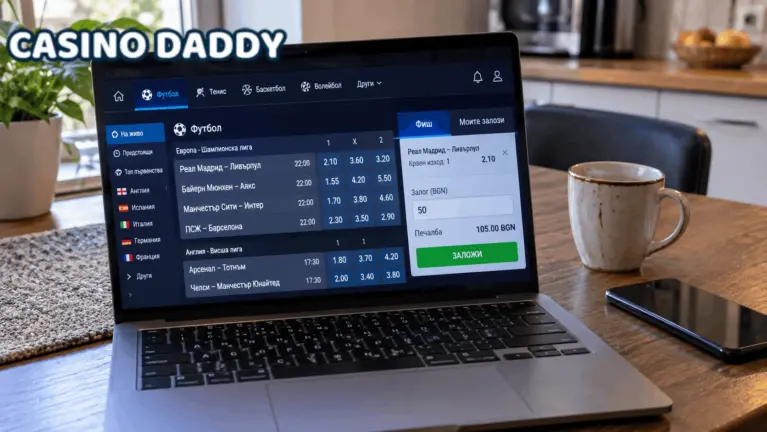
Bulgaria government has approved a draft rewrite of its Gambling Act that would strip gambling advertising from every medium in the country. The Council of Ministers signed off on November 11. Nothing changes for operators or players until MPs pass the package, and that detail carries weight here because an earlier run at the same reform collapsed in Parliament back in July. Clear the chamber this time, and Bulgaria’s Gambling Act becomes one of the strictest promotional regimes in Europe.
The draft reaches well past marketing. It raises taxes on land-based venues, sets a monthly fee floor for online betting licences, pulls banks and payment firms into the funding model and shuts down the licensing route used by affiliate operators. Officials frame all of it as addiction prevention, aimed first at children and other vulnerable groups. Revenue sits beside that goal rather than behind it, since several measures channel fresh money into sport, health and education.
What a Full Advertising Ban Would Cover
Under Bulgaria Gambling Act draft, the prohibition covers gambling games, the companies organising them, their trademarks and any other signs that identify them. Television, radio, print, online platforms and outdoor advertising all sit inside its scope. Bulgaria restricted broadcast and online gambling ads back in 2024, and operators answered by shifting spend onto billboards and street-level placements, which is precisely the gap this version closes.
Bulgaria’s revised Gambling Act leaves one narrow opening. Operators could keep a limited trademark presence in sponsorship deals, and in support for culture, healthcare and education. That covers sports clubs, federations and associations, but the government wants control over how those logos surface during broadcasts, so a shirt deal cannot become a back door onto screens.
Affiliate Promotion Loses Its Licence
One provision in Bulgaria’s Gambling Act rewrite reaches past advertising entirely. The amendments would discontinue the activity of affiliate operators who promote gambling products through third-party channels, which removes the licensing framework that legitimised those businesses in the first place. Lawmakers treat affiliate promotion as advertising wearing a different label, so anyone marketing gambling falls under the same prohibition as the marketing itself.
Affiliate sites built on Bulgarian traffic would have no compliant way to keep trading. Comparison pages, bonus listings and review content all run on promoting licensed brands to local players, and none of that survives a ban drafted this broadly. Operators lose a performance channel the same month their paid media disappears. Acquisition costs climb for everyone left standing, and the players those sites once steered toward licensed brands become easier targets for offshore operators that ignore Bulgarian rules entirely.
Operators Face a Heavier Bill
Money runs through the rest of Bulgaria’s Gambling Act package. Online operators would pay a variable monthly state fee set at no less than 100,000 euros as part of their licence costs. One-time licensing fees rise as well, alongside steeper contributions to socially responsible behaviour programmes, and that revenue gets split equally between the ministries of sport, health and education. Fines and financial sanctions for regulatory breaches climb as well, though the published draft puts no figures on any of them.
Land-based venues face a two-step change under Bulgaria’s Gambling Act revision. Casinos and gaming halls pay more from 2027 under the existing corporate tax route, then from 2028 that charge disappears and a two-part state fee replaces it. The new fee combines a fixed payment with a variable share of stakes minus paid winnings. Equipment suppliers enter the system for the first time, with manufacturers, importers, distributors and service companies paying 50,000 euros for a five-year licence or 100,000 euros for ten.
The State Wants a Clearer View of the Money
Bulgaria’s Gambling Act amendments tighten financial oversight on several fronts at once. Foreign companies offering online betting to Bulgarian players would need a registered place of business in the country before receiving a licence, which hands tax authorities a domestic entity to audit. Banks, payment institutions and electronic money firms processing gambling payments and payouts would owe a mandatory contribution of their own.
Operator gaming systems would link electronically to the National Revenue Agency, feeding through data on bets, payouts and gaming revenue from the machines and platforms it covers. The agency can then hold declared income against what machines actually recorded. Prevention work reaches into classrooms as well, through information campaigns, preventive programmes and teaching materials built around gambling addiction, funded by the contributions operators now have to make.
Parliament Decides Whether Bulgaria’s Gambling Act Reform Survives
Cabinet approval pushes the draft forward without putting a single line of it into force. MPs rejected an earlier version of Bulgaria Gambling Act reform in July, when critics warned a blanket ad ban and higher taxes would hurt licensed operators and drive players toward unregulated sites. That argument has not gone anywhere. Estimates placed Bulgaria’s grey market at roughly 40% of all gambling activity well before this draft reached a vote.
Prime Minister Rumen Radev’s government revived the push in September, sending a broader reform plan into public consultation, and this cabinet decision is what came out the other end. The parliamentary vote is the only step that counts now. Operators, suppliers and affiliate publishers working Bulgarian traffic have until then to read Bulgaria’s Gambling Act proposals closely and work out how much of their marketing survives.

The Author
The Author
Slots and News Reviewer