











Kalshi Can Keep Trading in New York After Court Ruling


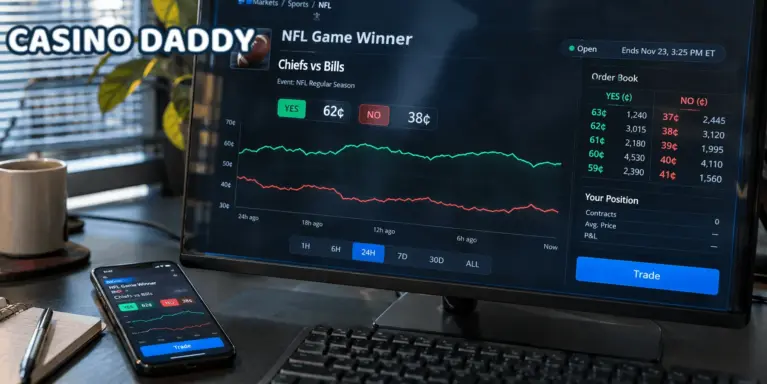
A New York judge has left Kalshi’s markets running, at least until the new year. Justice Melissa Crane of the New York County Supreme Court denied Attorney General Letitia James’s request for a temporary restraining order on Monday. Kalshi can keep selling event contracts in New York, and the ruling pushes the harder questions to January.
That last point matters more than the headline. Crane made no finding that the exchange runs an illegal book, and she did not decide if federal derivatives law overrides state gambling statutes. What Kalshi got in New York was a ruling about process, not legality.
Why the Judge Refused to Order a Shutdown
Crane called the state’s request something close to the ultimate relief in the case, sought before the defense had even been heard. Granting it would have meant ordering Kalshi to stop trading in New York, and no ruling that early in a case is built to do that. She called a sudden shutdown on that scale unprecedented.
Timing worked against the attorney general too. The exchange has been taking New York money on sports and culture contracts for over a year, and Crane said freezing an arrangement that old preserves no status quo. Kalshi had pressed that point in New York, and the ruling took it.
She added one practical reason to wait. A higher court will eventually settle the preemption question and bind her when it does. Moving first on an emergency basis risked an order that an appellate court wipes out within months, and she asked if waiting made better sense.
What Kalshi Won in New York, and What the Ruling Left Open
The company treated Monday as vindication. A spokesperson said the court had recognised complex questions about derivatives and preemption, and Kalshi put its customer base at 1.5 million. A petition aimed at state users, paid for by Kalshi Inc., had passed 326,000 supporters by that afternoon.
The attorney general’s office read the hearing differently and said the company is stalling enforcement while profiting from gambling it holds no licence to offer. Nothing on Monday tested that accusation either way. For Kalshi, New York stays open under a ruling that January could reverse, which makes this a thinner win than it looks.
Under-21 Trading Became the Sticking Point
Age limits gave the judge her clearest concern. Kalshi accepts traders from 18, New York sets its sports betting floor at 21, and Crane flagged that gap as a concern she wanted addressed before January. The company left itself room to move.
Attorney Colleen Sinzdak told the court the exchange might be able to reach a compromise covering sports and culture contracts for users under 21. Crane gave both sides until 30 November to report back. That deadline falls this week, and it may produce the first real restriction on the platform in the state before any judge orders one.
A voluntary change would also strip the sharpest consumer protection argument from the state’s case. Kalshi applies its 18-plus policy nationwide, so New York is where the ruling puts that approach under real pressure, and a concession here would ripple outward. Matching the state standard without a court order behind it also looks better in January.
How the Case Reached a State Courtroom
The fight began in October 2025, when the New York State Gaming Commission sent a cease-and-desist notice. Kalshi sued the state in federal court, arguing that the Commodity Exchange Act leaves nothing for state gambling law to attach to. James then filed her own suit against KalshiEX LLC on 31 July, alleging an unlicensed gambling business. She called prediction markets gambling platforms, plain and simple.
The venue battle went against the company last week. On 19 November, U.S. District Judge Vernon Broderick sent the dispute back to state court, which placed it in front of Crane. A separate federal judge had already rejected the CFTC’s bid to block New York’s enforcement case.
Appeals courts remain split on the central question. The Third Circuit sided with Kalshi, while the Fourth, Sixth and Ninth let states keep enforcing their own gambling laws. The Supreme Court has not taken the issue up, so whatever Kalshi wins in New York, the ruling binds nobody outside the state.
January Decides Far More Than Monday Did
Kalshi returns to court in New York in early January, and the ruling that follows carries far more weight than Monday’s. Full briefs come first, so the preemption question gets its real airing. That hearing decides if the exchange faces restrictions for the duration of litigation that could easily run deep into next year. Formal entry of Monday’s decision reportedly waited on a certified copy of the federal remand order.
The company’s lawyers framed the stakes well past state lines. Attorney Grant Mainland warned that the order New York requested could reach the federal exchange nationwide and called the prospect a recipe for chaos. Assistant Attorney General Brent Tomer told the court the state is not seeking to shut the platform down entirely.
Six weeks is what Kalshi actually gained in New York, and the ruling arrives with homework attached. The age question lands on 30 November, the briefs follow, and January brings the first proper test of the argument this entire sector rests on. Regulators in every other state with an open prediction markets file will read January, not Monday.

The Author
The Author
Slots and News Reviewer