










Brazil Online Betting Ban: A Law Already Under Fire


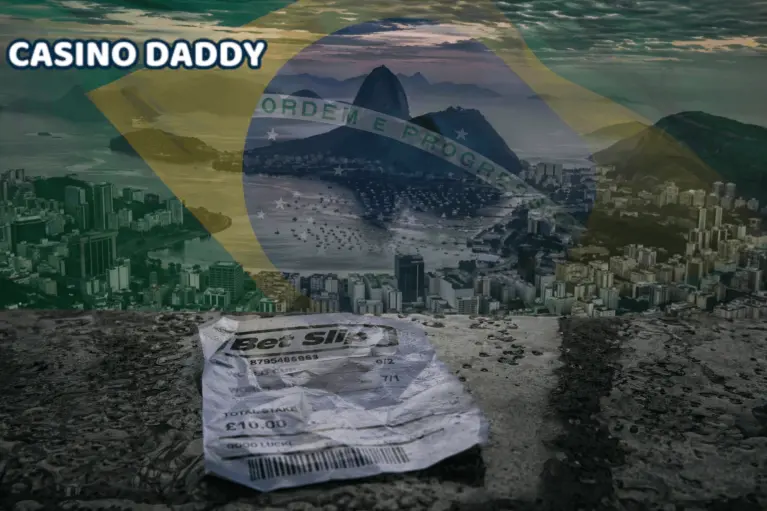
Brazil’s online betting market had barely found its footing when lawmakers moved to pull it from under the industry entirely. A newly submitted bill proposes a Brazil online betting ban that would reverse the legal framework introduced in January 2025, wiping out the regulated iGaming sector the country spent years building toward. It is a dramatic turn, and it has caught the industry off guard.
A Bill That Goes All the Way
The legislation, formally known as Bill PL-1808/2026, was submitted by Pedro Uczai, a deputy from Brazil’s ruling PT party. The bill does not propose adjustments or stricter oversight. It proposes abolition. If passed, it would ban all forms of online betting, shut down gambling sponsorships, prohibit advertising of betting products, and block any financial transactions linked to online gambling.
Authorities would also prosecute anyone found violating the prohibition. The bill currently has the backing of 68 PT members, giving it real political weight inside the governing party. That said, it has not been signed or endorsed by President Luiz Inácio Lula da Silva or any other senior government figure, which means it remains a parliamentary initiative for now.
Lula’s Regret and Uczai’s Push
The bill did not come out of nowhere. President Lula da Silva has previously expressed doubt about the legalization his own government helped push through, suggesting publicly that online betting platforms may have been a mistake. Uczai’s submission follows those remarks closely, though the President stopping short of formal support keeps the bill’s momentum uncertain.
Uczai’s reasoning centers on harm. He argued that online betting has worsened Brazil’s problem gambling landscape, pointing to rising household debt, financial instability, and deteriorating mental health among bettors. His position is blunt: if betting causes this level of damage, there is no justification for keeping it legal. He did leave one alternative open, suggesting that a far stricter regulatory regime could be considered if lawmakers determine betting serves any social or economic purpose.
What Would a Ban Actually Undo?
Brazil officially launched its regulated online betting and iGaming framework in January 2025, following years of legislative work. The market opened with significant commercial interest, drawing in operators, sportsbooks, and major sponsorship deals across Brazilian football and other sports.
A full ban would strip all of that out. Sports teams that secured betting sponsorships would lose a significant revenue stream. The Receita Federal, Brazil’s federal tax authority, which supported the regulated framework from the start, would find itself at odds with the bill’s backers. Operators who entered the market legally and invested in compliance would face an abrupt exit, with criminal exposure for any continued activity.
The commercial fallout would extend well beyond the gambling sector.
How Likely Is This to Pass?
Analysts are skeptical that a full reversal is realistic. The prevailing view is that Brazil will not completely abandon its online betting framework but will move toward tighter regulation, stricter advertising rules, and stronger player protections. The regulated market created institutional stakeholders with strong incentives to fight a ban, and those voices carry weight in Brasília.
Still, the bill’s existence is significant. Sixty-eight parliamentary backers is not a fringe position, and the President’s own ambivalence toward the sector gives the movement political cover. A watered-down version of the bill, focused on advertising restrictions or tighter licensing conditions, is a plausible outcome even if full prohibition does not advance.
A Market on Uncertain Ground
Brazil’s online betting ban debate puts the entire market in a difficult position. Operators are functioning inside a legal framework that a vocal and growing portion of the governing party wants gone. Investors who committed to the Brazilian market are now watching a legislative process that could redefine the rules entirely.
What happens next depends on how far Lula’s government is willing to go. A crackdown is likely. A complete ban is possible but unlikely. What is certain is that Brazil’s brief experiment with open online betting is already facing its most serious political challenge, and the market will not look the same once the dust settles.

The Author
The Author
Slots and News Reviewer