










Brazil’s Congress Delays Betting Ban Vote Until March 2027


Brazil’s betting market will stay switched off deep into next year. Senate President Davi Alcolumbre signed a 60-day extension to the provisional measure that shut down online gambling back in September, and the Official Gazette published it on 11 November. Nobody voted. That one signature lets Brazil’s Congress leave the betting question open until 4 March 2027.
What the Extension Changes
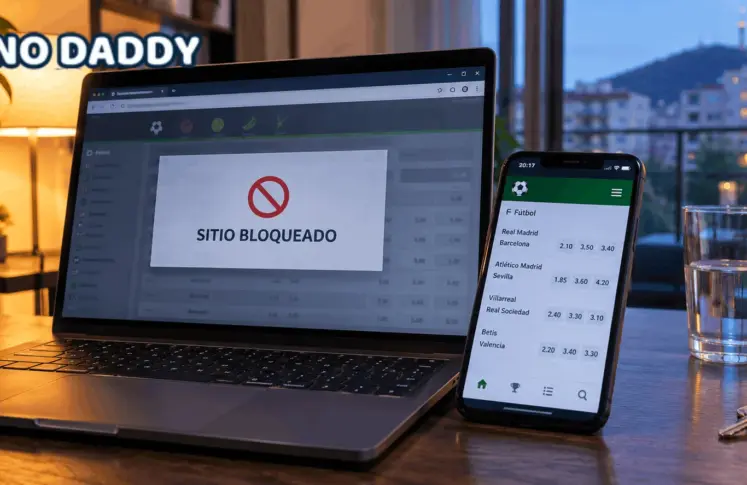
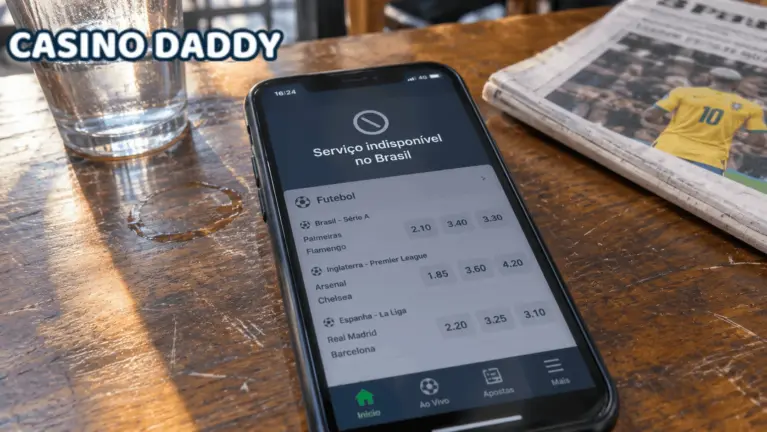
Provisional Measure 1.394/2026 landed on 25 September and took effect the same day, suspending online sports betting, casino games and every form of gambling advertising nationwide. Licensed operators stopped accepting new bets within hours and refunded customer balances that had not yet been paid out. The extension keeps all of it in place. Players and operators face the same locked door they faced in October.
Provisional measures in Brazil work on borrowed time. They carry the force of law from the moment they publish, but they expire unless both houses approve them inside a fixed window, and the legislative recess stretches that window well past what the calendar suggests. The extension hands Brazil’s Congress more room on betting without forcing a single member to take a public position.
Why Brazil’s Congress Has Not Voted on Betting Yet
A joint committee of senators and deputies has to examine the measure before either chamber can vote on it. Members were appointed weeks ago. The committee still has not held a single working session, and until that changes nothing moves to the floor, which leaves the whole schedule hostage to a group that has yet to sit down together.
Lawmakers have filed 99 amendments, and five of those have since been withdrawn. The surviving proposals pull in opposite directions. Some would restore regulated sports betting while leaving online casino games banned, others would tighten advertising rules, and several would strip gambling money out of sport altogether, covering shirt sponsorships, stadium naming rights and competition branding.
Government representatives want Parliament to finish with the measure before the end of 2026. The calendar makes that difficult. Brazil’s Congress has set no date for a betting vote, and the committee alone decides when one becomes possible, which leaves the government’s own deadline resting on a body outside its control.
The Courts Offer No Faster Exit
Industry groups have filed four constitutional challenges against the ban. The Supreme Federal Court is weighing a prior question: can a provisional measure carry restrictions this broad at all? Justice Luiz Fux suspended lower-court cases at the request of the Office of the Prosecutor General, who argued that parallel rulings across different courts would produce chaos.
Higher courts overturned the temporary orders that had let a handful of operators keep trading. A ruling from the top court could arrive before March or long after it, because nobody has set a date for one. So Brazil’s Congress and the betting sector are waiting on the same open-ended clock.
What the Shutdown Has Cost
More than 3,500 people have lost their jobs since the ban took effect. Thousands more sit on collective leave while their employers wait for a decision that keeps getting postponed, drawing salaries against revenue that stopped arriving in September. Industry representatives warned from the first week that Brazilians would not stop betting and would simply move to sites nobody regulates.
Research firm Blask estimates that up to 21.6 million Brazilian players could migrate to unregulated platforms. That is not a rounding error. The stated purpose of the ban was harm reduction rather than market displacement, and a migration on that scale would hand millions of players to operators nobody can audit. Brazil’s Congress will hear the argument again the moment the committee opens the betting file.
The Case the Government Is Making
The government leans on one figure above all others. It estimates that Brazilian households spent BRL 62.5 billion, roughly $11.4 billion, on online betting during 2025, and it reads that total as evidence of financial damage rather than commercial success. That figure will anchor the government’s case when Brazil’s Congress finally debates the betting measure.
A campaign called Health Is Not a Gamble has formed around the same argument. Legislators and public health groups back it, and it treats gambling harm as a public health matter rather than a consumer choice, pushing for permanent limits on promotions, advertising and sponsorship. The campaign gives wavering lawmakers a constituency to point at when the committee finally meets.
Operators read the same 2025 figure as proof of a functioning market. They paid licence fees, built compliance systems and handed over tax revenue on the understanding that the framework would hold for years. Both readings will reach the same committee. Whichever one persuades it will shape what Brazil’s Congress decides about betting for the rest of the decade.
Brazil’s Congress Faces a March Deadline on Betting
The sequence from here is easy to state and hard to predict. The joint committee has to meet, work through the amendments and send a version of the measure to both chambers, and the Supreme Federal Court has to rule on the constitutional challenges. Neither process carries a fixed date, and the ban stays in force throughout.
Expiry is the quietest outcome available. If Brazil’s Congress never votes, the betting ban dies on 4 March 2027 and the regulated market returns without a single lawmaker having to defend that result to voters. Several of them would find that convenient, which is the strongest argument for thinking the committee may never rush.
A market this size rarely freezes over a calendar. Brazil’s gambling sector has spent every week since September in exactly that position, and nothing published on 11 November changes it. The only question left is which arrives first, a vote or the deadline that makes one unnecessary.

The Author
The Author
Slots and News Reviewer