











Colorado Fines Fanatics $20K Over Self-Excluded Bettor Texts


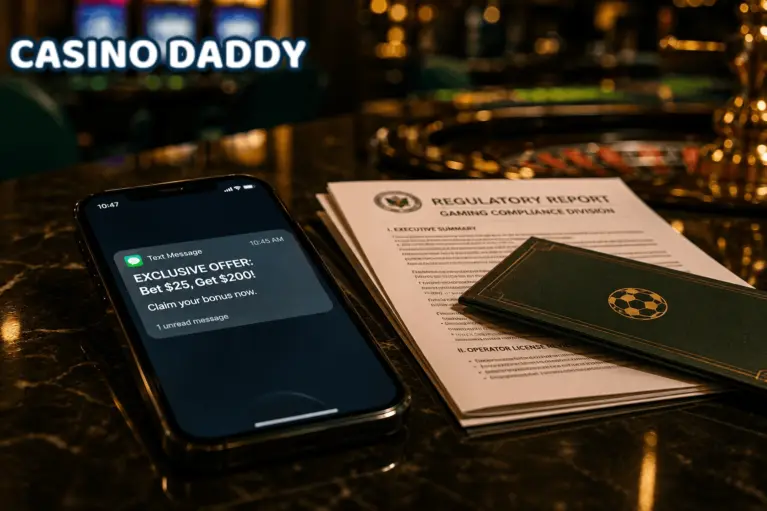
Fanatics Sportsbook has agreed to pay a $20,000 fine in Colorado after its VIP team sent promotional offers to a self-excluded customer on two separate occasions. The Colorado Limited Gaming Control Commission approved the settlement on August 27, closing an investigation run by the state’s Division of Gaming. The penalty itself is small. The conditions attached to it reach back more than two years.
Colorado lets customers place themselves on a self-exclusion register for one, three or five years. During that window, licensed sportsbooks must block those customers from betting and stop sending them promotional material. More than 1,200 people currently sit on the state register. The program drew fresh attention after concerns about gambling addiction grew following the launch of legal online sports betting in 2020.
Two Messages, Sixteen Days Apart
The sequence behind the fine Colorado imposed on Fanatics is short and easy to follow. The customer at the centre of the case joined the state’s self-exclusion program on January 15, 2026. On February 1, a member of the Fanatics VIP team sent that person a text carrying a promotional offer.
The company caught the problem quickly. Fanatics notified its VIP leadership team on February 4 and pushed training materials out to customer-facing VIP staff. Then it happened again. On February 17, a different member of the same VIP team contacted the identical customer with a second promotional offer.
That repeat contact is what pushed Colorado regulators to fine Fanatics. Investigators at the Division of Gaming found both messages breached state requirements. They also concluded that the operator had failed to apply its own responsible gaming policy properly. In its October 2025 responsible gaming plan, the company had committed in writing to avoid marketing to anyone it knew to be self-excluded.
Colorado’s Fine Against Fanatics Comes With a Two-Year Audit
Fanatics accepted the regulator’s findings in Colorado and settled the fine voluntarily. The money covers the two identified contacts, but the agreement also forces a much wider review. Everything the company sent by text over a 26-month stretch now sits under examination.
The audit covers promotional texts sent between January 1, 2024 and March 1, 2026. Beyond the fine, Fanatics must identify any other people on Colorado’s self-exclusion list who received similar messages during that period. It then has to hand the Division of Gaming a detailed report on what it finds. The operator also agreed to strengthen VIP staff training, with added focus on responsible gaming procedures and regulatory risk.
Regulators framed the outcome narrowly. Colorado’s fine against Fanatics targets one specific compliance failure and stops short of finding that the operator deliberately went after self-excluded customers. Two text messages triggered the settlement, and the obligations flow from those two contacts rather than from any broader accusation.
VIP Programs Keep Drawing Scrutiny
Sportsbooks run VIP programs to give selected customers enhanced offers, hospitality and other perks based on how much they bet. Those programs attract steady criticism. Industry observers have questioned how operators pick their high-value customers, especially when heavy betting activity lines up with heavy losses.
The economics explain the attention. VIP customers make up a small slice of a sportsbook’s user base while generating a far larger share of its revenue. Reporting on the sector describes qualification criteria that reward the exact behaviour responsible gaming rules try to discourage, including steady volume and loose bankroll management.
The fine Colorado imposed on Fanatics fits a wider pattern across US markets. Caesars Sportsbook settled with New Jersey regulators in August for close to $300,000, following an investigation that turned up several violations. Some of those involved gaps that allowed self-excluded customers to bet through other platforms.
Colorado Keeps Tightening Its Rules
Colorado handed Fanatics this fine while the state was already adding restrictions to online sports betting. Legislation signed by Gov. Jared Polis in June bans push notifications and texts that encourage inactive customers to gamble. The same law blocks credit cards as a funding method and caps customers at six deposits per day.
The rules also restrict advertising aimed at anyone under 21. Operators can no longer use promotional phrases such as “bonus bet” and “no sweat”. An earlier draft went further and proposed banning proposition bets outright, but lawmakers dropped that clause after a fiscal analysis put the potential tax revenue loss at $2.4 million.
Other states have taken notice. Pennsylvania legislators have pointed to Colorado’s framework while debating additional safeguards for online gambling. The state has become a reference point for regulators who want tighter marketing rules without killing the market.
What the Case Leaves Behind
Fanatics has run its Colorado sportsbook since taking over PointsBet’s local business in December 2023. That inheritance came with history. PointsBet had agreed to spend $1.6 million on a University of Colorado Boulder partnership promoting sports gambling on campus, then cancelled the deal in March 2023 after heavy criticism.
A $20,000 fine barely registers for a company of Fanatics’ size, and Colorado regulators know it. The audit is the part that carries weight. Two messages produced a 26-month lookback, a written report to the state and a rebuild of VIP training procedures.
Operators watching this case will read the requirement rather than the number. A responsible gaming policy on paper counts for nothing if a VIP host never opens it. Colorado has now put a price on that gap, and the price is measured in audit hours rather than dollars.

The Author
The Author
Slots and News Reviewer