










DraftKings Football Contracts Go Live on DKeX Before Kickoff


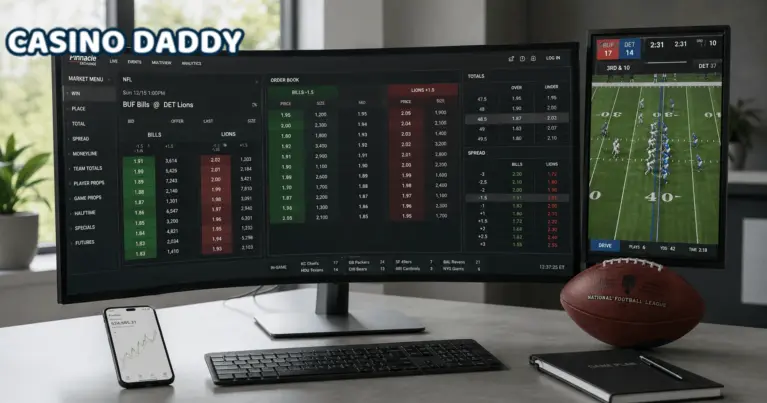
DraftKings has cleared the last regulatory step needed to run football markets on its own prediction exchange. Railbird Exchange, which trades under the DKeX name, submitted self-certification filings to the Commodity Futures Trading Commission on 10 August. Those filings cover nine football contract categories, and DraftKings expected them to reach certified status on 12 August. Trading can open once that happens.
The timing is not an accident. Football season delivers the heaviest wagering volume of the American sporting year, so DraftKings wants its football contracts trading before the first kickoff. The company has spent the past ten months building infrastructure for exactly this moment. Now it has the product menu to match.
How DraftKings Structured Its Football Contracts
The nine categories read like a sportsbook menu translated into derivatives language. FOOTBALLWIN resolves on a team winning a game or a specified segment of it. FOOTBALLSPREAD handles margin, covering results where a team wins by more or loses by less than a set number. FOOTBALLTOTALS settles on scoring finishing above or below a stated line.
Player and team performance fills out the rest. FOOTBALLENTITYSTAT applies to statistical achievements by individual players or whole teams. FOOTBALLGAMESTAT covers numbers recorded across a single game, while FOOTBALLENTITYACHIEVEMENT settles on specific accomplishments reached during play. Head-to-head player comparisons sit alongside them.
Two longer-dated categories round out the set. Season award markets settle on a named player or coach winning a season-long honour, confirmed by the body handing it out. Outright markets cover final competition results. All of the DraftKings football contracts apply to professional and college competition, including the NFL and the College Football Playoff. Each one carries a swap classification under Chapter 13 of the DKeX rulebook.
COMBOS Brings Parlay Trading In House
The football filing arrived just behind another one. COMBOS lets traders bundle two or more event contracts into a single position that settles on a joint outcome. Anyone who has built a parlay will recognise the shape of it instantly.
That product already has a track record. DraftKings ran combination contracts through Crypto.com exchange infrastructure, and more than half of its Predictions customers used the feature. Around 20% of consumer trading volume came from those bundles. Moving COMBOS onto DKeX pulls all of that activity onto rails the company controls itself.
Combine the two filings and the picture sharpens. Traders can pair DraftKings football contracts with each other and settle them as one position. So the gap between a prediction exchange and a sportsbook narrows to almost nothing.
The Volume Numbers Behind the Push
Growth explains the urgency better than any strategy deck could. Annualised prediction market volume at DraftKings sat at $2.3 billion in April. By July it had reached $11 billion. That is close to a fivefold jump in three months.
More than 600,000 customers have traded the product this year, a figure the company says beat its own forecasts. Chief executive Jason Robins told the second-quarter earnings call that he expects millions and millions of customers once football starts. He called the coming months the largest opportunity the business has faced. The football contracts DraftKings just certified arrive straight into that curve.
Owning the Rails Instead of Renting Them
DraftKings bought Railbird Exchange in October 2025 and launched DKeX in June. The logic behind both moves is simple enough. Running its own exchange lets the company write the rulebook, control settlement and keep economics that a third-party venue would otherwise take.
Self-certification matters here too. Under CFTC rules, an exchange can list a product by certifying that it complies with the law, rather than waiting for prior approval. So DraftKings can list new football contracts in days instead of months. That speed carries real value in a business where the sporting calendar sets every deadline.
What Happens After Kickoff
The regulatory fight is far from settled. State gaming regulators and several members of Congress argue that sports event contracts amount to gambling and belong under state law, not federal commodities rules. Court rulings have landed on both sides of that question. Legislation aimed at banning sports contracts outright is sitting in both chambers of Congress.
None of that has slowed the product roadmap. DraftKings has put its football contracts in front of traders with the season about to start, and the volume arriving over the next five months will shape the argument for everyone involved. A quiet autumn supports the case that these markets are a niche financial product. A record one hands ammunition to every regulator demanding they be treated as bets.

The Author
The Author
Slots and News Reviewer