









Finland Gambling Licence Queue Hits 75 With No Decisions Yet



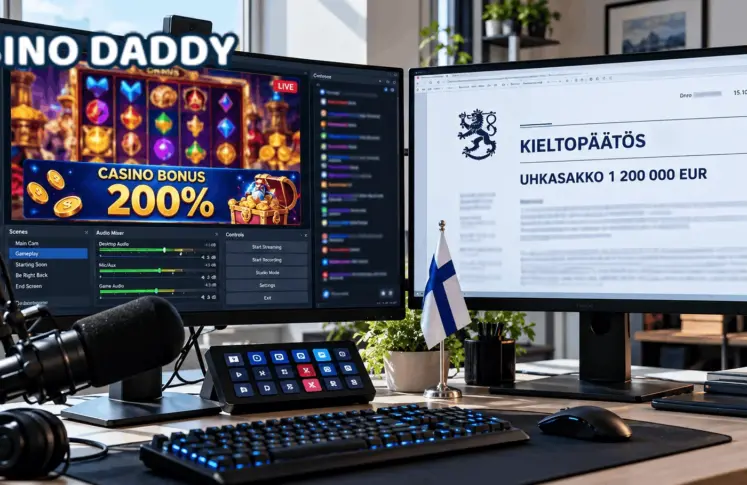
Seventy-five applications now sit with Finland’s National Police Board, and not one of them has an answer yet. The count, recorded on September 22, jumped from around 50 over the summer. Operators are lining up for a gambling licence in Finland ahead of the competitive market’s launch on July 1, 2027. That rise of 25 filings in roughly seven weeks puts demand well above what most observers expected when the window opened in March.
The timing makes the backlog harder to ignore. The regulator aims to process each Finland gambling licence request within six to eight months, which means a file submitted this autumn could stay open until spring 2027. For operators hoping to launch on day one, the gap between interest and approval now matters more than the headline number.
Demand Outruns the Early Forecasts
Finland opened its application window on March 1, 2026, and the first month alone brought in 24 filings. Senior Adviser Sanna Kuusela said another 23 arrived in May, before the pace cooled and the total hovered around 50 through June and August. The latest surge took it to 75, and because the regulator has set no closing date, the figure can keep climbing.
Janne Nikkinen, a researcher at the University of Helsinki, said earlier estimates had pointed to somewhere between 40 and 60 licences for the Finnish market. He described the opportunity as a billion-dollar pot now up for distribution, which goes a long way toward explaining the crowd. Neighbouring Sweden offers a useful yardstick, since it has roughly twice Finland’s population and currently counts 89 licences.
The 75 figure does not translate directly into 75 companies. Operators can file separately for different licence categories, even though one gambling licence application in Finland can cover several products at once. The regulator has not said how many separate businesses sit behind the total, and it has kept most of their names private.
What a Gambling Licence in Finland Covers
Finland’s reform splits the market into two tracks. Finland’s competitive gambling licence covers fixed-odds, variable-odds and virtual betting, along with online casino games, online slots and online cash bingo. A separate exclusive licence stays reserved for a state-controlled company, which in practice means a Veikkaus Group entity.
Veikkaus keeps its grip on lotteries and scratch cards, and its monopoly also continues for physical slot machines and land-based casino games. Everything else in the online space opens up to licensed competitors from July 1, 2027. Software suppliers face their own regime, with B2B licence applications scheduled to open on the same day the market launches.
Finnish legislation also sets no cap on the number of operators that can enter. Any applicant that meets the requirements can obtain a gambling licence from Finland’s regulator, so companies do not need to outbid rivals for a limited set of seats. That design helps explain why filings kept arriving through the summer instead of stalling at a fixed shortlist.
Veikkaus and Unibet Among the Applicants
Only two applicants are on the public record so far. Veikkaus created two subsidiaries in May to prepare for the new system. It has applied for licences covering both its exclusive products and the activities moving into the competitive market. The state-owned operator will therefore sit on both sides of the reform, protecting its monopoly products while competing head-to-head with private brands for online players.
Unibet has filed as well. Joel Häkämies, who heads FDJ United’s Finnish operations, said the company applied in May and has yet to receive a gambling licence from Finland’s regulator. Four months without a decision for an established international brand gives smaller applicants a clear sense of the queue ahead of them.
Timing Becomes the Real Test
The six-to-eight-month processing target puts pressure on anyone aiming for a day-one launch. An application filed in September could stay under review until spring 2027 if it runs the full eight months. Later filers may only get their answer after the competitive market has already opened. The regulator has not said how many of the current 75 it expects to decide before July 1.
Missing opening day does not shut anyone out, because Finland’s rules allow the regulator to grant a gambling licence after July 1, 2027. Operators can go live as soon as approval lands. Each attempt still carries a €29,000 processing fee in 2026, which the regulator keeps whatever the outcome. A rejected Finland gambling licence application costs exactly as much as a successful one.
The marketing rulebook shifts at the same time. Licensed operators will be able to advertise on television, radio and in newspapers, while the law restricts influencer marketing and direct marketing by telephone. On July 1, 2027, the new National Supervisory Authority also takes over licensing and supervision from the National Police Board. Some pending files could therefore change hands mid-review.
A Crowded Start for Finland’s Open Market
The climb from 50 to 75 applications in a single summer points to strong appetite for a Finland gambling licence among domestic and international operators alike. With no cap on approvals and a market one researcher calls a billion-dollar pot, the incentive to apply stays strong right up to launch and beyond. The harder job now sits with the regulator, which has to turn a growing pile of paperwork into decisions before the doors open next July.
Until the first approvals arrive, those 75 filings amount to a statement of intent. The number that turns into live, licensed brands by July 2027 will decide how crowded Finland’s online market looks on opening day. It will also set how quickly Veikkaus starts to feel real competition in a market it has controlled for decades.

The Author
The Author
Slots and News Reviewer