











Hawaii Sports Betting Debate Intensifies as Bill Progresses


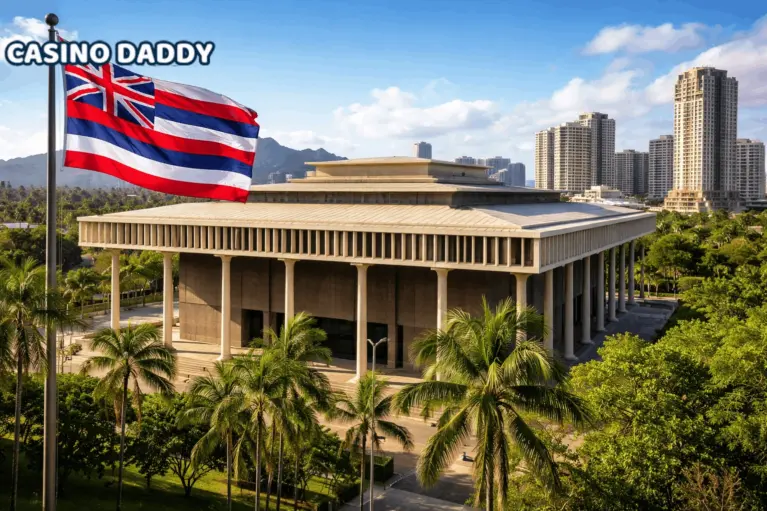
Hawaii sports betting moved closer to reality this week after lawmakers advanced a legalization bill despite vocal resistance from community groups and several elected officials. The proposal cleared a key House committee, marking one of the most serious gambling expansion efforts the state has considered in years.
The vote does not guarantee passage, but it signals momentum in a jurisdiction that has long rejected nearly all forms of wagering. For supporters, regulation represents modernization and revenue potential. For critics, it raises concerns about addiction, social costs, and a shift away from long-standing policy traditions.
Lawmakers Advance the Proposal
A House committee approved the bill following extensive public testimony and internal debate. Lawmakers examined projected tax revenue, regulatory safeguards, and enforcement mechanisms before voting to move the measure forward. The split decision reflected clear divisions within the chamber.
If enacted, the legislation would authorize statewide mobile wagering through licensed operators. It would not introduce physical casinos or retail sportsbooks. Instead, Hawaii sports betting would operate exclusively online, with access limited to adults located within state borders.
Supporters framed the measure as a controlled and structured system. They emphasized licensing standards, compliance requirements, and oversight provisions designed to prevent illegal activity and protect consumers.
A Break From Decades of Gambling Resistance
Hawaii remains one of the few states without a lottery, casinos, or legalized sports wagering. Previous attempts to authorize betting stalled before reaching final approval, often collapsing late in the legislative process.
This year’s proposal reflects changing national dynamics. Many lawmakers acknowledge that residents already place wagers through offshore platforms. Advocates argue that legalizing Hawaii sports betting would bring those activities under regulatory supervision while keeping tax revenue inside the state.
They also contend that prohibition has not eliminated demand. Instead, it has shifted wagering into unregulated markets that lack consumer protections and transparency.
Opposition Focused on Social Impact
Despite progress in committee, resistance remains strong. During hearings, opponents warned that expanded access to mobile wagering could increase problem gambling and financial strain. Several lawmakers questioned whether projected tax benefits would outweigh potential social costs.
Critics also raised concerns about regulatory readiness. Building oversight infrastructure for a new digital wagering market requires staffing, enforcement tools, and sustained funding. Skeptics argue that the state must carefully assess its capacity before launching a new industry.
Beyond economic considerations, the debate touches on identity and values. Hawaii has historically resisted gambling expansion, and many residents view that stance as intentional rather than outdated.
Market Structure and Economic Questions
Under the current draft, operators would need to secure state licenses and comply with strict standards. Age verification systems, geolocation controls, and responsible gaming measures would form the backbone of enforcement.
If legalized, major national sportsbook brands would likely pursue entry into the market. However, long-term success would depend on tax rates, licensing fees, and the number of approved platforms. Lawmakers may revisit those details as the bill advances.
Supporters maintain that a regulated environment provides greater transparency than offshore alternatives. Opponents argue that legalization could expand overall participation rather than simply regulate existing activity.
What Happens Next
The bill now heads to the full House for consideration. If it passes there, the Senate must approve it before it reaches the governor. Previous gambling measures advanced through early stages only to stall later due to policy disagreements or legislative deadlines.
For now, Hawaii sports betting stands at a critical juncture. The committee vote demonstrates momentum, but final approval remains uncertain. The coming weeks will determine whether lawmakers embrace a regulated digital wagering framework or maintain the state’s long-standing prohibition on gambling expansion.

The Author
The Author
Slots and News Reviewer