


Indiana Lottery Winner Pulls Over and Collects $190K


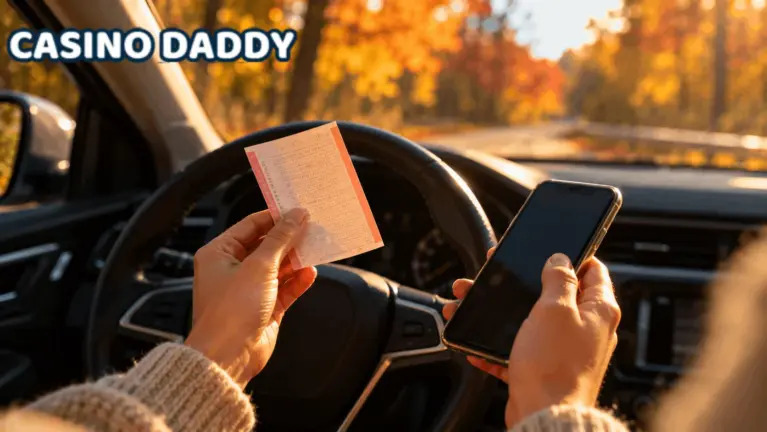
A drive to a fall festival ended at lottery headquarters for one Indiana lottery winner, who checked her tickets from the passenger seat and found $190,442 sitting on a $2 game. Her partner was behind the wheel when she told him to pull the car over. He assumed she had fallen ill. She had simply taken the entire Max the Money jackpot.
A Roadside Scan That Changed the Drive
The woman bought her ticket at the Meijer in Carmel and held off on checking it until the couple were already on the road. She scanned it through the Hoosier Lottery app, read the number, and the festival stopped mattering. Her partner later told lottery officials that his first thought was a medical emergency, because nobody orders a driver to stop like that over good news.
Both of them went straight to the lottery’s Indianapolis headquarters to claim the prize in person. No waiting period, no sitting on the ticket for a week. Any Indiana lottery winner holding a slip of paper worth almost $200,000 has good reason to move fast, and the Hoosier Lottery advises claimants to secure the ticket and talk to a financial advisor before cashing anything.
How an Indiana Lottery Winner Turns $2 Into $190,442
Max the Money is a Fast Play game, and Fast Play behaves differently from a standard scratch-off. The jackpot rolls. Every ticket sold anywhere in the state feeds the prize pool, so the top prize climbs day after day until somebody takes it. A $2 purchase buys a share of a number that thousands of other players have spent weeks inflating.
That mechanic explains the size of this payout. The same $2 game has paid jackpots in the $11,000 range before, so $190,442 sits far above what a Max the Money player would reasonably expect. This Indiana lottery winner caught the game at the top of a long build, which is the only route a two-dollar ticket has to six figures.
The published odds look friendlier than the headline suggests, but the fine print matters. Hoosier Lottery puts the overall odds for Max the Money at 1 in 3.90, and that figure covers any prize at all, including the small ones that just hand back your stake. Landing the rolling jackpot is a completely different proposition.
The Money Is Already Spoken For
Plenty of big winners talk about travel, cars, or an early retirement. This one did not. She told lottery officials that the prize goes toward her mortgage and her car loan, and that was the entire plan.
An Indiana lottery winner in the mid-six-figure range tends to think this way, because a prize of this size changes a household balance sheet without changing a lifestyle. Clearing a mortgage frees up monthly income permanently. That does more for most families than a single splurge ever could.
Her approach also keeps her clear of the cautionary tales that follow lottery coverage around, where sudden money evaporates inside a few years. She claimed quickly, she claimed in person, and she walked in with a plan already made.
Max the Money Resets to $5,000
The moment she collected, the Max the Money top prize dropped back to its $5,000 floor. That reset happens automatically, and it starts the cycle over from the bottom. Anyone buying the $2 game in Indiana this week is chasing a number far smaller than the one the latest Indiana lottery winner carried out of the building.
For players who track Fast Play games, the reset is worth paying attention to. Rolling jackpots sit at their least attractive right after somebody wins and at their most attractive after a long dry spell. The climb back toward six figures takes months of statewide sales, so the counter needs time before it looks tempting again.
Small Ticket, Big Result
Stories like this one travel because the numbers feel reachable. A Powerball jackpot is an abstraction, but a $2 ticket from a grocery store in Carmel is something half the state has bought on impulse at the till. This Indiana lottery winner did nothing unusual beyond scanning her ticket at the right moment on the right drive.
The practical ending helps too. She has a mortgage she will not be paying much longer, a car that now belongs to her outright, and a fall festival she can get to next weekend instead. Somewhere in Indiana, the Max the Money counter has already started climbing again from $5,000, and the next person to scan a ticket in a parked car will find out how high it got.

The Author
The Author
Slots and News Reviewer