






India’s Real-Money Gaming Ban Reshapes the Market


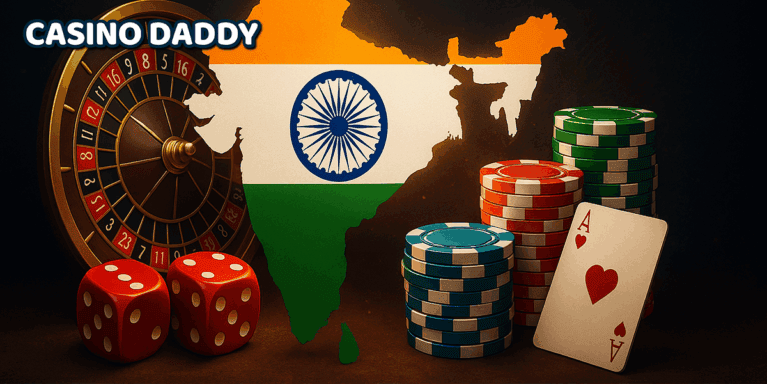
India has officially outlawed real-money online gaming, triggering one of the largest regulatory shifts in the country’s digital economy. The new law halts deposits and blocks games tied to cash prizes. However, it also sets the stage for growth in esports, free-to-play titles, and regulated digital entertainment.
What Happens Immediately
The ban has forced leading platforms to suspend services overnight. Players may still withdraw balances, but they cannot add new funds. At the same time, staff layoffs loom as companies shut down money-driven operations.
Several major effects became clear within days:
-
Platforms close services such as poker, rummy, and fantasy sports.
-
Wallet withdrawals remain open, letting users claim remaining balances.
-
Job losses rise, with thousands of employees at risk.
-
Advertising halts across TV, digital, and social media.
These immediate consequences highlight the sweeping impact on both players and the industry.
A New Regulatory Era
The legislation bans both skill-based and chance-based money games. Moreover, it forbids advertising and financial transactions linked to them. Authorities plan to use blocking orders to enforce compliance, while penalties may include heavy fines or even prison terms.
At the same time, the law establishes a National Online Gaming Commission. This body will regulate licensed operators, register esports, and enforce consumer safeguards such as deposit limits and age checks. Therefore, while real-money games vanish, structured oversight for casual and competitive gaming emerges.
Economic and Industry Shifts
The sector’s combined value previously topped $23 billion, but the ban cuts into revenue, taxes, and employment. Over 200,000 jobs are now at risk. Investors must prepare for steep losses, while valuations of gaming giants face rapid decline.
Nevertheless, several companies are adapting. Dream11 is moving toward fintech services. WinZO is expanding into the U.S. and launching video platforms. Others are pivoting toward advertising-supported models. In addition, esports organizers welcome the change, seeing opportunities to scale under a safer, regulated framework.
Outlook for Players and Developers
Although the ban disrupts existing models, it may strengthen India’s long-term gaming ecosystem. Offshore platforms could attract some users, yet regulators insist on tighter control. Meanwhile, developers focusing on free-to-play or esports titles may gain a larger audience.
The government emphasizes consumer protection as its driving motive, but industry voices argue regulation would have been a better solution than a total ban. Ultimately, both sides agree that India’s gaming future will look very different.
Conclusion
India’s crackdown on real-money gaming ends an era of fast growth yet opens doors to innovation. Players must withdraw funds, companies must pivot, and investors must reassess. At the same time, esports and casual games are poised to grow under regulatory guidance. The fair question now is not if India’s gaming industry will change, but how quickly it can reinvent itself.

The Author
The Author
Site Admin