










NBA Signs Kalshi Deal After Demanding Trading Data


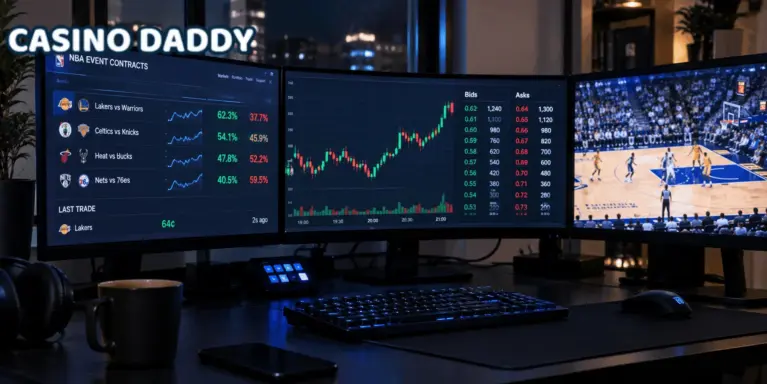
Three weeks separated the demand from the delivery. Commissioner Adam Silver spent an early October television interview making the case that the NBA needed access to prediction market trading records, plus a say in which contracts those platforms could list. By 26 October the NBA had a Kalshi deal signed, a matching agreement covering Polymarket, and a memorandum of understanding with the federal regulator that oversees both. None of it came out of a courtroom.
What Silver Asked For
Silver’s complaint was operational rather than moral. Prediction markets and sportsbooks raise identical integrity questions, he argued, and integrity tops his list. What he wanted was the trading record that would let the NBA identify someone acting on information the public does not have. “We want access to that data. We also want control of the market,” he said.
Contract types bothered him as much as the data gap did. He singled out markets on the question of whether a coach might be fired, calling that “odd behavior,” and pointed to the wider problem of contracts built on sensitive information about teams, players and coaches. Those are the categories where someone inside the building knows the answer first. The league also works across roughly 40 regulatory jurisdictions, a patchwork Silver would rather see replaced by one federal framework with a minimum trading age of 21 attached.
What the NBA Gets From the Kalshi Deal
What the NBA got from its Kalshi deal is a commercial licensing arrangement with integrity clauses bolted on. Kalshi and Polymarket now hold the title of preferred prediction market exchange, and both can settle authorized markets using official league data supplied by Sportradar. Both also picked up rights to use NBA intellectual property and to run promotional activity in the United States. The league expanded its existing DraftKings agreement to cover prediction markets on the same day.
More operators should sign within weeks. That hands the league a mechanism it did not have in September, because an exchange settling trades on official data now holds a contractual relationship it can lose. The leverage Silver asked regulators for arrived through the NBA and Kalshi deal instead, and through the agreements built alongside it.
The Integrity Terms
The safeguards inside the NBA and Kalshi deal do the work Silver described in October. The league said the agreements carry “significant integrity” protections, and those include limits on which types of event contracts the exchanges may feature at all. Information-sharing requirements cover suspicious trades. NBA and team personnel cannot trade NBA event contracts at all.
Kalshi described the arrangement as establishing “direct channels to share integrity data” with the league, alongside obligations to report suspicious trading and cooperate on investigations. The memorandum with the Commodity Futures Trading Commission bolts a federal layer onto the same machinery, and commission chairman Michael Selig said it would tighten information sharing against insider trading and fraud on prediction markets. Baseball and hockey reached comparable arrangements with the same regulator earlier in the year.
Two Leagues, Two Answers
The NFL reached for the courts instead. One day before Silver’s interview, football filed an amicus brief with the Supreme Court supporting New Jersey regulators in their dispute with Kalshi, arguing that contracts on sporting events amount to gambling under state law rather than financial swaps under federal rules. Both leagues describe the same risk, including manipulation around player injuries and individual performance. They disagree entirely about who should fix it.
Silver went with commercial negotiation backed by a preference for federal oversight, while the NFL put its weight behind state gambling law and a fight in the courts. The NBA and Kalshi deal is what the first route produces: data access and contract limits traded for official status and league branding. What the second route produces now sits with the justices.
Where the Legal Fight Stands
The jurisdictional question that pushed the NBA toward a Kalshi deal remains open. New Jersey’s petition asking the justices to settle whether states can regulate sports event contracts is still pending. Kalshi’s response falls due on 7 December after an extension. An appeals court ruled in September that states hold that authority, while a later ruling in Illinois temporarily stopped that state from applying its gambling laws to Kalshi and Coinbase event contracts. The circuits are split, and the Court has not agreed to hear any of it.
That unresolved status is part of what makes the basketball approach look deliberate. A signed NBA and Kalshi deal functions no matter which way the justices eventually rule, because it never depended on anyone’s jurisdiction in the first place. The league already holds what it asked for while the lawyers argue over who can impose it.
A Template Taking Shape
Leagues spent two years treating prediction markets as a threat to be litigated out of existence. Basketball, baseball and hockey have now all concluded that the faster route runs through a contract, and the NBA and Kalshi deal sets out the terms on offer most clearly: official data and branding for the exchange, trading records and a veto over contract types for the league. Football is still waiting on the Supreme Court. One of those two strategies will look obvious in hindsight, and nobody can say yet which one it will be.

The Author
The Author
Slots and News Reviewer