




Nebraska Faces Sports Betting Vote After $22M Campaign Push


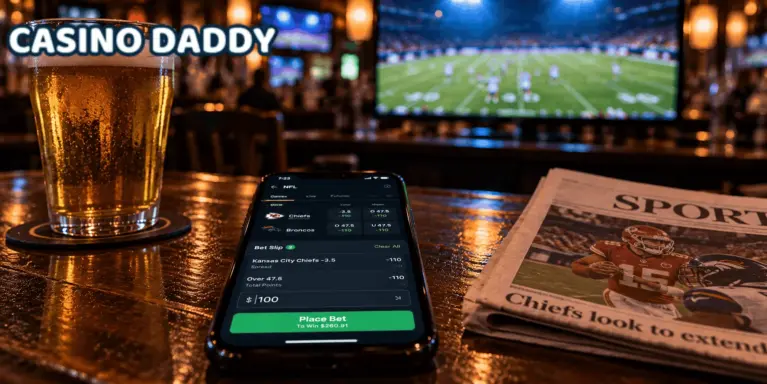
Nebraska decides the future of sports betting in a statewide vote on November 3, and the industry has already spent almost $21.7 million to get the question in front of voters. Campaign finance disclosures place more than $7 million of that total in the past month alone. FanDuel and DraftKings carried most of the weight, each contributing close to $10.3 million across the election year.
Four days out, the Nebraska campaign has shifted from collecting signatures to buying airtime ahead of the sports betting vote. Tax Relief Nebraska, the committee backing both measures, reports election-year spending of $15.8 million, with more than $5 million of that going to television advertising and other promotional work. That is a lot of money aimed at a state of roughly two million people.
Where the $21.7 Million Came From
DraftKings sent $2.5 million on October 13 and followed it with another $750,000 nine days later. FanDuel matched the larger figure on October 22, then added $750,000 the next day. Fanatics has worked at a smaller scale, putting in $425,000 at the start of the month and a further $100,000 on October 26, which lifts its running total to $600,000.
BetMGM contributed $500,000 earlier in the cycle and has stayed quiet since. The four operators funding the Nebraska campaign all want licences once the sports betting vote clears, so the spending reads less like advocacy and more like an entry fee. None of it returns a cent until the market opens.
Nebraska Splits the Sports Betting Vote Across Two Measures
Initiative 440 would amend the state constitution so lawmakers can authorise online wagering. Initiative 441 builds the regulatory framework around it, covering licensing, oversight and tax collection. A split result sinks the whole effort, so Nebraska needs both boxes ticked for the sports betting vote to change anything on the ground.
Retail sportsbooks inside licensed racetrack casinos are the only legal option in the state right now. Plenty of residents drive into Iowa or open an offshore account instead, and supporters have built their case on that leakage since the campaign began. Opponents counter that capturing the money does nothing about the harm attached to it.
Twelve Licences and a 20% Tax
Approval would create room for up to 12 mobile sportsbook licences. Each of the six existing or planned gaming facilities in the state could partner with two online platforms, which routes the entire market through properties that already hold a licence. FanDuel, DraftKings, BetMGM and Fanatics sit at the front of the queue, while Caesars, bet365 and theScore Bet could follow them in.
The framework applies a 20% tax on gross gaming revenue. Bettors would need to be physically inside the state to place a wager, and the servers running each platform would have to sit within state lines too. One restriction survives the change untouched, since wagering on Nebraska college teams playing inside the state stays prohibited.
The Market Stays Dark Until 2027
Timing matters as much as the result, because Nebraska would not open its sports betting market the morning after the vote. The framework takes effect on January 1, 2027, and regulators have until June 1 to write the operating rules. A launch at some point in 2027 looks realistic, possibly in time for college football season.
That gap explains the scale of the spending as much as the stakes do. Operators are paying now for revenue that lands more than a year out, in a capped market where the first brands through the door tend to keep the customers they sign. The arithmetic still works in their favour, which is why the cheques kept getting bigger as the date approached.
Opposition and the Odds
Prediction markets price both measures as likely winners. Kalshi had the constitutional amendment at 69% and the regulatory measure at 68% on October 28, which points to comfort rather than certainty. Ballot questions have embarrassed better numbers than those.
Religious organisations and groups focused on gambling harm continue to campaign against legalisation, and their argument rests on addiction risk and the social cost of a sportsbook in every pocket. Supporters answer with tax revenue and property tax relief, a pitch that lands well in a state where property taxes dominate local politics. Opponents of the Nebraska measures have far less money behind them, but the sports betting vote still gives them a clean shot at stopping legalisation.
What Tuesday Settles
Nebraska settles its sports betting question in Tuesday’s vote, and the outcome carries past the state line. A yes hands the largest operators in the country another market and a 2027 launch window to plan around, while a no pushes the issue back to a legislature that has already refused to act on it. The $21.7 million raised here will shape how the next state campaign gets priced either way.

The Author
The Author
Slots and News Reviewer