










Romania Gambling Hall Ban Reaches Timisoara’s 173 Venues


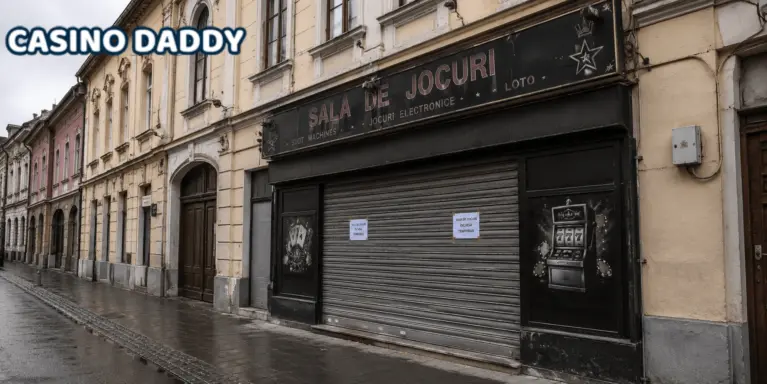
Timisoara has closed the door on new gambling venues. The city’s Local Council voted unanimously to stop authorising gambling halls inside the municipality. That decision brings a hard gambling hall ban to one of Romania‘s largest cities. Only the National Lottery keeps permission to run lotto activity there.
Mayor Dominic Fritz announced the outcome after Tuesday’s council meeting. From that date onward, the city stops issuing authorisations for gaming activity of any kind. Romania has seen local restrictions before, but a gambling hall ban of this scope in a major urban centre is new. Venues holding valid national licences stay open a little longer, and their days are counted.
How Romania’s Gambling Hall Ban Reached a Major City
Timisoara counted 173 locations authorised by the National Gambling Office in spring. Those sites cover slot halls and betting shops scattered across residential districts and central streets. Each one now sits on a clock set in Bucharest rather than in the city hall. When the paperwork lapses, the venue goes dark.
Scale is what makes this vote different. Earlier national legislation stripped gaming venues from localities with fewer than 15,000 inhabitants, so the gambling hall ban stayed a small-town story across Romania. Timisoara is home to roughly 300,000 residents plus a large student population. A city of that size changes the arithmetic for operators completely.
Licences Set the Closing Timetable
The council decision does not switch off the lights overnight. Operators holding valid national licences can keep trading until those approvals expire. Closures will happen one venue at a time, with the last of them expected by 2027. Fritz described it as a gradual wind-down rather than a single shutdown date.
That split matters because licensing power still sits with national authorities. Bucharest issues the permits, so the city cannot revoke them early. What Timisoara controls is the local authorisation layer, and it has chosen to refuse everything. Romania’s gambling hall ban therefore works through expiry dates instead of immediate closure orders.
Schools Instead of Slot Halls
The county has attached real money to the decision. Alfred Simonis, president of the Timis County Council, has promised funding for local administrations that remove gaming venues. Mayors who shut these halls receive county cash earmarked for education projects. The funds go toward building new schools and kindergartens or modernising existing ones.
That incentive turns a moral argument into a budget line. A mayor weighing local backlash now has a concrete return to point at during the next election cycle. Fritz framed the Timisoara vote in similar terms, setting gaming venues against spending on education and public services. Other counties could copy the funding model and push the gambling hall ban across Romania much faster.
A Template Other Romanian Cities Can Copy
Local authorities spent years asking for exactly this power. USR parliamentarians pushed to move authorisation decisions from national level down to municipalities, and Fritz credited them directly after the vote. The transfer finally landed, and Timisoara used it almost immediately. Other councils have been watching the process closely.
So the gambling hall ban now spreading through Romania runs on municipal politics rather than parliamentary sessions. Each city decides for itself, and each decision arrives faster than national legislation ever could. Large cities elsewhere face similar public pressure and the same county-level incentives. A patchwork map looks likely well before any nationwide rule appears.
What This Means for the Land-Based Sector
Operators lose a market of genuine size here. Romania’s land-based gambling industry has already absorbed tax increases and tighter advertising rules over recent years. Municipal closures open a third front, and this one removes the physical footprint altogether. Relocating to smaller towns solves nothing either, because those localities closed first.
By 2027 Timisoara should have no gaming halls left, only lotto terminals. Romania has moved from a rural gambling hall ban to a genuine urban one, and the mechanism is now proven in practice. The next council chamber to vote decides how far this travels. Operators across the country will read Timisoara as a warning rather than an isolated local quirk.

The Author
The Author
Slots and News Reviewer