










Serbia Mandates Yearly Approval for All Casino Jackpot Systems


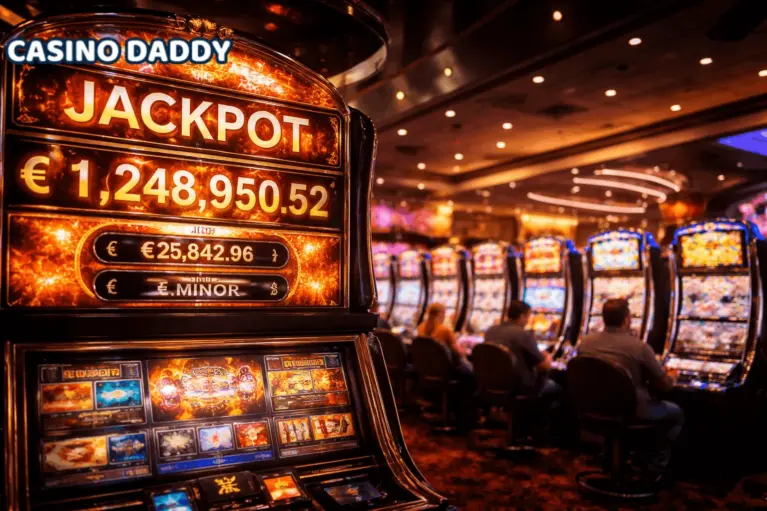
Serbia has taken a decisive step to strengthen control over jackpot-based gambling by introducing a formal annual approval framework for all jackpot systems. The move marks a significant shift in how jackpots are regulated, bringing both land-based and online products under closer and more structured supervision.
The change matters now because jackpot games have grown more complex and interconnected across platforms. Regulators have increasingly focused on ensuring that large pooled prizes remain transparent, secure, and financially sustainable. By moving to a yearly authorisation model, Serbian authorities aim to close regulatory gaps while maintaining consistent oversight of how jackpots are created, operated, and paid out.
A Clear Framework for Jackpot Authorisation
Under the new rules, every individual jackpot must receive explicit approval from the national gambling authority before it can be offered to players. This approval is valid for one calendar year only. Operators must reapply annually if they want to continue running the jackpot.
This approach replaces looser long-term permissions with a recurring compliance checkpoint. Each application must clearly explain how the jackpot works, how contributions are collected, and how prizes are awarded. Operators also need to demonstrate that their systems meet all technical and security requirements set out in the updated rulebook.
Annual approvals give regulators a regular opportunity to review jackpot structures as they evolve. It also allows authorities to respond more quickly if market practices or technical standards change, rather than waiting for problems to surface through enforcement actions.
Stronger Focus on Technical Integrity
A central pillar of the new oversight regime is technical reliability. Jackpot outcomes must rely on certified random number generation systems that meet strict integrity standards. Manual interference or manipulation of jackpot results is not allowed under any circumstances.
Operators are also required to secure jackpot-related data through encryption and maintain reliable backup systems. Detailed logs covering contributions, payouts, and system events must be kept and made available for inspection when requested. In addition, jackpot platforms must support secure data exchange with regulatory systems, allowing authorities to monitor activity more effectively.
These requirements are designed to reduce the risk of tampering, system failures, or disputes over prize outcomes. They also reinforce player confidence by ensuring that jackpot mechanics remain fair and verifiable.
Financial Caps on Jackpot Exposure
Beyond technical controls, Serbia has introduced a clear financial limit on jackpot payouts. Total annual jackpot winnings may not exceed 20 percent of an operator’s net betting base. This figure is calculated using stakes minus player winnings over the year.
Importantly, the cap applies separately to different gambling verticals. Sports betting, slot machines, and online electronic games are assessed individually rather than being combined into a single total. This prevents operators from offsetting high jackpot exposure in one segment with lower activity in another.
By setting these boundaries, regulators aim to protect market stability and reduce the risk of excessive payout obligations. The measure also encourages operators to design jackpots that align with sustainable betting volumes rather than aggressive prize growth.
Impact on Operators and the Market
For licensed operators, the new system introduces additional administrative work and compliance costs. Annual applications require careful documentation, technical certification, and internal audits to ensure readiness for regulatory review. Some operators may need to upgrade systems or adjust jackpot structures to remain within the new limits.
At the same time, the framework offers greater regulatory clarity. Clear rules around approval, technical standards, and payout limits reduce uncertainty and help operators plan long-term product strategies. For larger operators with established compliance teams, the changes may be manageable. Smaller providers could feel more pressure as oversight becomes more formalised.
What Comes Next for Serbia’s Gambling Sector
The jackpot approval regime forms part of a broader effort to modernise Serbia’s gambling regulation. Recent years have already seen tighter supervision, increased inspections, and a push for clearer definitions across gambling products. Jackpot oversight now follows that same trajectory.
Regulators are expected to continue refining technical guidance and approval procedures as the system beds in. Operators will be watching closely to see how strictly annual renewals are enforced and whether additional reporting requirements emerge.
For now, the message is clear. Jackpot games in Serbia will operate under closer scrutiny, with regular reviews designed to balance innovation, player protection, and financial stability.

The Author
The Author
Slots and News Reviewer