







Sweden’s Spelpaus Gets a New Suspension Period Option


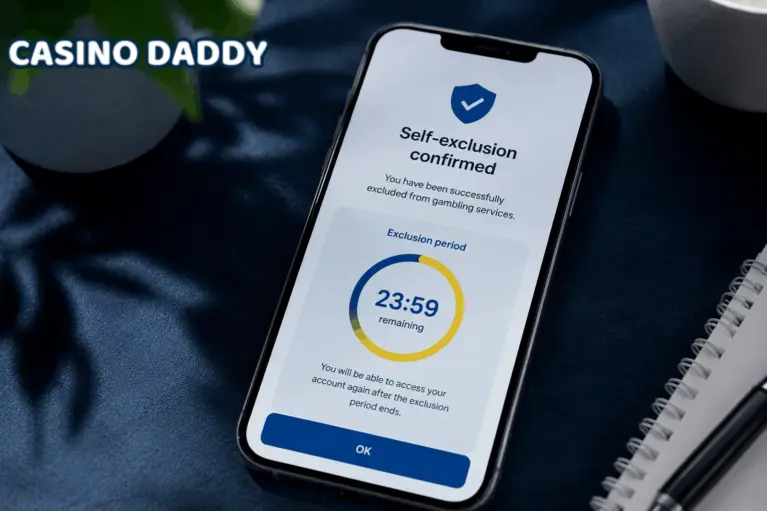
Sweden’s national self-exclusion system just got more flexible. Spelinspektionen, the country’s gambling regulator, has confirmed that Spelpaus now includes a suspension period lasting just 10 days, giving players a shorter option alongside the register’s existing exclusion timeframes. The change applies across every licensed operator in the country and lands at a moment when Swedish regulators are reshaping how self-exclusion actually works behind the scenes.
What the New Option Covers
Spelinspektionen built the 10-day suspension period as a complement to Spelpaus rather than a replacement for anything already in place. Players can still choose longer exclusion windows if they need more distance from gambling activity. But now there’s a shorter route too, one that suspends access without requiring a lengthy commitment.
The regulator confirmed the suspension covers every game that requires registration with a company holding a Swedish gambling licence. That includes both online and land-based operators, so a player who activates the short break gets locked out across the board rather than from a single site. Spelpaus has worked this way since it launched in 2019, and the new suspension period simply extends the same all-or-nothing logic to a tighter window.
Spelpaus has become one of the defining features of Sweden’s regulated gambling market. More than 134,500 people had signed up as of May 2026, and that number keeps climbing as awareness of the tool spreads. A single register covering every licensed operator means players don’t need to contact individual companies to step away from gambling, which was part of the original point of building it as a centralised system back in 2019.
Part of a Bigger Push
The new suspension period doesn’t exist in isolation. It’s one piece of what regulators and operators are increasingly calling Sweden’s “year of compliance,” a stretch of 2026 packed with consumer protection reforms rolling out one after another.
The first major piece landed on 1 May, when Sweden banned credit-funded gambling deposits outright. Cards, overdrafts, personal loans, and buy-now-pay-later services can no longer fund a gambling account under any licensed operator. It’s one of the strictest rules of its kind anywhere in Europe.
The next big shift arrives on 1 August, when Spelinspektionen rolls out a technical overhaul of Spelpaus itself under the new SIFS 2026:3 standards. Operators will need to integrate with a fresh API that checks a customer’s exclusion status in real time, using credentials issued directly by the regulator. Where self-exclusion once functioned as something closer to a background safeguard, it’s turning into an active obligation that operators have to verify before letting anyone gamble at all.
Add the new suspension period into that picture and a pattern starts to show. Sweden isn’t just tightening rules one at a time. It’s building layers of protection that reinforce each other, from how money enters an account to how quickly a self-excluded player gets blocked.
A Leadership Change Arrives Alongside the Reforms
The August rollout also coincides with new leadership at Spelinspektionen. Peter Knutsson takes over as Director General, succeeding Camilla Rosenberg just as the regulator’s most technically demanding reform goes live.
Knutsson steps into the role backing stronger oversight of licensed gambling, and he inherits an agenda that’s already among the most ambitious in Europe. Real-time monitoring, tighter payment rules, and continuous verification of self-excluded players are all converging under his watch, and the timing puts him at the center of a regulatory shift that other European markets are likely to study closely.
What It Means for Players and Operators
For everyday players, the appeal of a shorter suspension period is straightforward. Not everyone who wants a break from gambling needs months away from it, and a 10-day option gives people a lower-friction way to step back without committing to something longer than they actually need.
For operators, the message lands just as clearly. Sweden is moving self-exclusion from a checkbox exercise into something closer to continuous compliance, and the tools available to enforce it are only getting sharper. With the API overhaul landing in weeks and a new Director General already signaling support for stricter oversight, licensed operators in Sweden have limited room left to treat self-exclusion as a formality.

The Author
The Author
Slots and News Reviewer