









Ukraine Launches Lottery Reform with New Licensing Rules


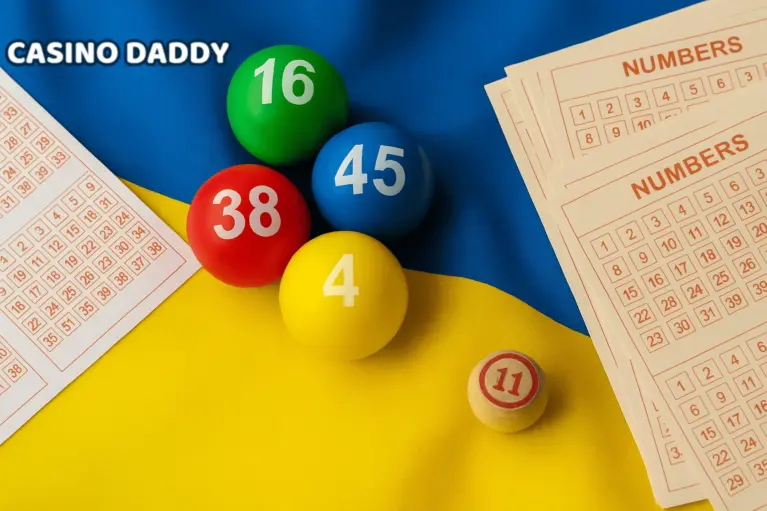
Ukraine has taken a decisive step toward modernizing its gambling landscape as authorities roll out a lottery reform that opens licensing for official lottery operators. The government aims to replace outdated practices with a clear, transparent, and well-regulated system. This effort also supports broader changes across the country’s gambling sector as regulators work to build stronger oversight and restore trust.
Ukraine Introduces a Rebuilt Lottery System
The government now invites companies to apply for full lottery operating licences. This marks one of the most significant structural changes in the country’s gambling market in recent years. Officials expect applicants to meet strict requirements, including financial stability, transparent ownership, Ukrainian registration, and no links to restricted jurisdictions.
The reform introduces a digital monitoring system that tracks all lottery activity. Every printed ticket will include a unique QR code. These codes allow regulators to verify transactions, monitor sales in real time, and prevent illegal operations. Authorities believe these tools will create a safer and more accountable lottery environment for players.
A Wider Shake-Up of the Gambling Sector
The lottery overhaul forms part of a much larger regulatory transformation. Ukraine dissolved its former gambling regulator and replaced it with a new oversight body that handles licensing and market supervision. Lawmakers also introduced enhanced anti-money-laundering rules, new financial controls, and tighter standards for operator responsibility.
These reforms aim to modernize the entire gambling industry. Regulators want to curb unlicensed activity, improve market stability, and bring local frameworks closer to international standards. The lottery relaunch represents one of the most visible phases of this shift.
Why the Reform Matters
The Ukraine lottery reform delivers several benefits for both players and the state.
First, transparency increases. Regulators will monitor ticket activity and payouts through real-time systems. This helps eliminate unregulated sales and improves trust.
Second, consumer protection strengthens. QR-coded tickets give players a simple way to verify legitimacy. The system helps ensure that operators pay prizes according to regulated procedures.
Third, the reform supports national revenue. The state expects to receive new income from licence fees and regulated lottery turnover. That revenue may help fund public initiatives, especially during a period of economic pressure.
What Operators Must Prepare For
Companies interested in entering the market must submit robust documentation. Authorities will examine each applicant’s ownership structure, compliance record, financial capacity, and technical readiness. The new framework demands modern internal systems that connect directly to the national monitoring platform.
Operators must also guarantee full ticket traceability, transparent reporting, and secure handling of all lottery-related data. Regulators plan to run continuous oversight to ensure no company falls out of compliance.
What Happens Next
The licensing tender remains open for a limited period. Once the government finalizes approvals, Ukraine will enter a new operational phase where only licensed companies may run lotteries. This shift should reduce unregulated activity and introduce more reliable consumer safeguards.
Industry observers expect interest from established brands, though the strict criteria may result in fewer approved operators. Authorities emphasize that compliance and transparency will serve as the primary selection principles.
Final Thoughts
The Ukraine lottery reform marks a turning point for the country’s gambling sector. Officials aim to build a reliable, regulated, and transparent lottery market through modern monitoring systems and strict licensing rules. If the government enforces these standards effectively, Ukraine could replace years of fragmented practices with a stable framework that protects players and supports national revenue.

The Author
The Author
Slots and News Reviewer