











Virginia iGaming Bill Clears Senate, Eyes 2027 Launch


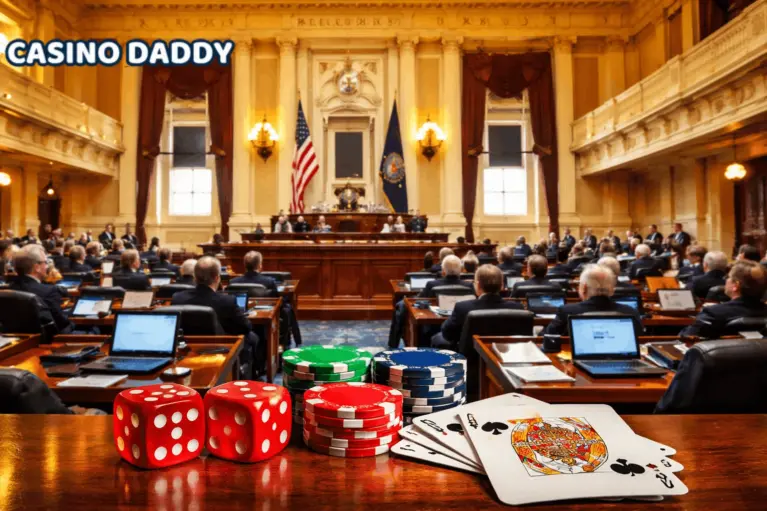
Lawmakers in Richmond have moved a step closer to authorizing online casino gaming in the commonwealth. The Virginia iGaming bill cleared the state Senate after a dramatic reconsideration vote, setting up negotiations with the House and outlining a potential launch date in mid-2027.
The proposal represents one of the most significant gambling expansions in Virginia since sports betting went live in 2021. Still, the path forward remains complex, and several procedural hurdles stand between legislative approval and an operational market.
Narrow Senate Approval After Reversal
The measure initially failed on the Senate floor in a tight vote, reflecting deep divisions among lawmakers. Later the same day, a motion to reconsider brought the legislation back for another vote. This time, it passed by a slim margin.
That reversal underscored how contentious the issue remains. Some senators raised concerns about the social impact of expanded gambling and the need for strong consumer safeguards. Supporters argued that regulation would provide oversight and tax revenue while addressing unregulated offshore play that already reaches Virginia residents.
By advancing the Virginia iGaming bill, the Senate signaled that a majority of lawmakers are willing to explore online casino legalization, even if support remains fragile.
House Passage Creates Next Legislative Phase
The House of Delegates also approved its own version of online casino legislation shortly after the Senate vote. Like the Senate measure, the House bill required reconsideration before passing, further highlighting the political sensitivity surrounding iGaming expansion.
Although both chambers have endorsed legalization in principle, the bills are not identical. Lawmakers must now reconcile differences in structure, timing, and procedural requirements before sending a unified version to the governor’s desk. This reconciliation process will determine whether the 2027 timeline remains intact and how the regulatory framework ultimately takes shape.
Framework for Online Casino Licensing
Under the current proposal, licensed land-based casinos in Virginia would be eligible to apply for online gaming authorization. Each qualifying operator could partner with multiple online platforms, allowing for a competitive market structure rather than a limited monopoly system. The bill outlines licensing fees for operators and establishes a tax rate on adjusted gross revenue. While final financial details may shift during negotiations, the structure mirrors other regulated states that link digital gaming rights to existing casino licenses.
Revenue would support the state’s general fund while also directing funds toward responsible gambling programs. Lawmakers have emphasized that consumer protection must remain central to any expansion.
Regulatory Oversight and Consumer Protections
Oversight would fall under the Virginia Lottery, at least initially, unless a broader gaming commission structure replaces the current framework. The regulator would develop detailed rules covering licensing, compliance standards, auditing requirements, and enforcement powers.
The legislation includes age verification and geolocation mandates to ensure that only adults physically located within state borders can participate. Operators would also need to implement responsible gambling tools, including deposit limits and self-exclusion options.
These safeguards played a key role in helping the Virginia iGaming bill gain traction during debate. Several lawmakers indicated that stronger regulatory clarity eased concerns raised earlier in the session.
Why the 2027 Launch Date Matters
A notable feature of the proposal is its delayed implementation. Even if the legislation becomes law this year, online casino gaming would not launch until July 1, 2027.
The extended timeline serves several purposes. Regulators would have additional time to draft and finalize rules. Casino operators would be able to prepare platforms and compliance systems. Lawmakers would also retain the opportunity to revisit or refine the framework before launch.
In addition, one version of the legislation includes language that may require reenactment in a future session, potentially adding another layer of delay. Whether that requirement remains after reconciliation will shape the ultimate timeline. For now, 2027 represents the earliest realistic start date for regulated online casinos in the state.
Economic and Market Implications
If enacted, Virginia would join a small but growing group of states offering full online casino gaming. Proponents argue that legalization could generate millions in annual tax revenue while keeping gambling activity within a regulated environment. Existing casinos would gain a new digital revenue stream that complements their physical operations. At the same time, critics caution that expanded access to gambling may increase risks for vulnerable players and could affect in-person casino performance. Lawmakers attempted to address those concerns by dedicating a portion of revenue to problem gambling services and by incorporating compliance requirements directly into the statutory framework.
What Happens Next
The next step involves reconciling differences between the Senate and House versions of the legislation. A conference committee or negotiated amendment process will determine the final language.
Once both chambers approve an identical bill, it must be signed by the governor before becoming law. Even then, regulatory development would begin immediately but market operations would remain years away.
Debate over the Virginia iGaming bill illustrates how gambling policy continues to evolve at the state level. Legislators are weighing economic opportunity against social responsibility while navigating procedural complexities inside the General Assembly.
The coming weeks will determine whether lawmakers can align on a final framework. If they do, Virginia will move firmly onto the path toward a regulated online casino market, with 2027 marking the target date for launch and a new chapter in the state’s gaming landscape.

The Author
The Author
Slots and News Reviewer