










Albanese and Taylor Push Gambling Bill Changes in Australia


Australia is moving fast on changes to its gambling bill, and the pace is showing in the diary. Prime Minister Anthony Albanese and opposition leader Angus Taylor sat down together on Tuesday, August 11, for their second meeting in two days. Both leaders came to the table over the Interactive Gambling Amendment (Gambling Reform) Bill 2026. The agenda covered VIP inducements, protections for people leaving the national self-exclusion register, and online advertising rules.
That is a tight schedule for two political rivals. It also points to a deadline. The Senate Environment and Communications Legislation Committee reports on the bills on August 17, so any deal between the government and the Coalition needs to land before then.
Two Meetings, One Deadline
The bill reached Parliament on July 2, arriving alongside a set of amendments to the National Self-exclusion Register. Since then it has drawn fire from operators, harm reduction groups and politicians across the chamber. The Coalition is not asking for a full rewrite. It wants targeted revisions to specific parts of the package.
Neither side has published the detail of what they discussed. But the shape of the negotiation is clear, and the gambling bill changes under debate in Australia sit in three areas. Inducements, self-exclusion, and advertising cover almost everything both leaders raised.
How the Gambling Bill Changes Would Work in Australia
Under the current proposal, free-to-air television can run no more than three gambling ads per hour between 6am and 8:30pm. Live sport broadcasts inside that window get none at all. Online advertising faces a stricter test, reaching only logged-in users who have verified their age.
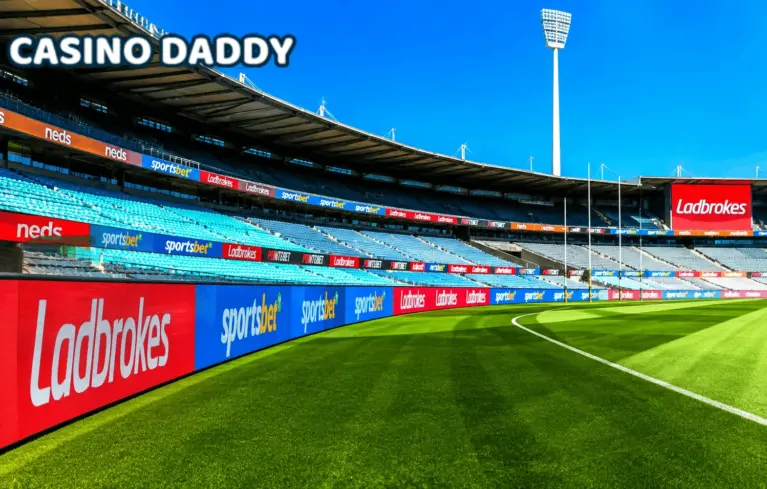
Gambling branding also disappears from sports uniforms and stadium signage. Those measures came through the July draft largely intact and have not been the main sticking point. The negotiations focus on the sections around them.
VIP Inducements Take Centre Stage
This is where the Coalition has pushed hardest. Operators offer high-value customers perks that go well beyond a bonus bet. Exclusive event access, game-day tickets and substantial bonus offers all fall into that bracket, and the opposition wants firm limits on them.
Smaller mass-market promotions would survive under the proposals on the table. That distinction matters, because it separates ordinary marketing from the personal cultivation of heavy losers. The second practice is what the gambling bill changes now moving through Australia’s parliament aim to stop.
A Cooling-Off Period After BetStop
The opposition has also asked for a pause. Gambling companies can currently contact customers the moment they come off the BetStop self-exclusion register. A cooling-off period would block that outreach for a set window after an exclusion ends.
The logic behind it is simple. Someone who has just spent months locked out of betting sites is at their most exposed on day one. Marketing that lands in that moment does real damage, so the proposed changes to Australia’s gambling bill would give returning players some breathing space.
The Testimony That Changed the Temperature
VIP inducements climbed the agenda for a reason. A Senate inquiry heard from former NRL player Luke Bateman, who described how a wagering company treated him while he was losing heavily. He told senators that a VIP account manager offered him free interstate travel, race-day hospitality and illegal drugs.
Bateman played rugby league professionally before moving into media work, and his account carried weight in the room. It also gave the negotiations a face. Abstract arguments about inducement caps land differently once a witness describes what a VIP program looked like from the inside.
Pressure From Both Directions
The government is not only negotiating with the Coalition. The Greens continue to push for a complete ban on online gambling ads, a position the bill does not come close to meeting. Several crossbench senators want restrictions well beyond the current draft.
So the legislation takes criticism for going too far and not far enough at the same time. Operators warn about lost revenue and the offshore market. Harm reduction advocates counter that the caps still leave betting promotion almost everywhere a viewer looks. Passing the bill means finding a version enough of those groups can live with.
What Happens Next
August 17 sets the next marker, when the committee delivers its report. If Parliament approves the legislation, the reforms begin on January 1, 2027, which leaves broadcasters and operators a short runway to adapt. Neither side wants this fight dragging through the Senate into the new year.
Two meetings in two days suggest both leaders want a settlement rather than a long procedural war. The gambling bill changes now on the table in Australia would not end betting promotion in the country. They would change who gets targeted, how often, and at which moment. For players walking away from self-exclusion, and for those already deep inside VIP programs, that is the part worth watching.

The Author
The Author
Slots and News Reviewer