










Japan Makes First Poker Arrests Over Unlicensed Kobe Event


Japan has logged its first poker tournament organizer arrests, and the case has little to do with money moving across the tables. Hyogo Prefectural Police took four men into custody between November 9 and 17 over a three-day event held in Kobe without approval from the prefectural public safety commission. The charge is operating an entertainment business without a permit, which makes this a licensing matter rather than a gambling one. All four have partially denied the allegation.
Police called the case a national first. Japan had never before seen poker organizers face arrests on suspicion of breaching the Entertainment Business Act, and the force linked the move to how fast the game has spread, with paid events now running nationwide. Operators who built their schedules on the assumption that prize-only tournaments sit outside gambling law have found the pressure arriving from an unexpected direction.
Three Days in Kobe, Then a Police Search
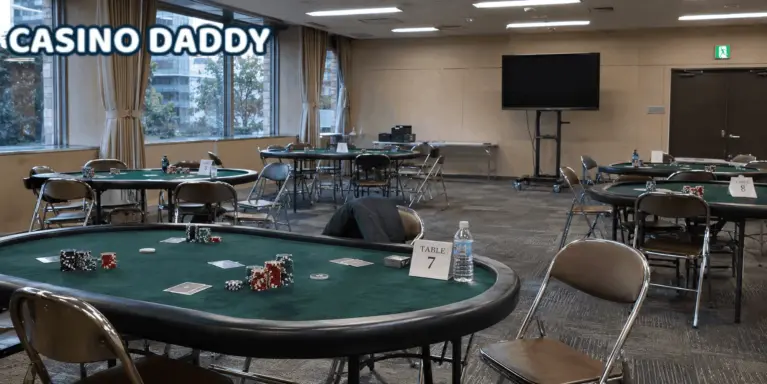
The tournament ran from July 24 to 26 at a rented hall in Kobe’s Kitano district, inside the city’s Chuo Ward. Entry cost between 3,000 and 100,000 yen per player, and 541 entries over the three days brought in roughly 10 million yen, close to US$63,000. Several million yen remained as profit once expenses came out. Prizes went by finishing position: Kobe beef, the local specialty, along with points understood to work as credit toward other events.
The four men called themselves the Hyogo poker federation, and they had reportedly run tournaments before at venues that already held the necessary permits. This time they booked a hall that did not. Nothing in Japan’s amateur poker calendar had previously ended in arrests of this kind, which is why one mid-sized summer event in Kobe now sits at the center of a national legal question.
Officers did not turn up unannounced. Police received an anonymous tip ahead of the event and warned the organizers three separate times that their plans risked breaching the law, then searched the venue on July 26 and stopped the tournament on its closing day. Japan’s first poker organizer arrests followed nearly four months later, once investigators had worked through the paperwork.
The Permit Rule at the Center of the Case
Japan’s poker events have no dedicated legal category of their own, and the arrests landed squarely in that gap. Entertainment business approval runs through the prefectural public safety commission, and police say a poker event can fall under that requirement on more than one ground. A run of two or more consecutive days at a rented venue counts, commercial operation counts, and so does the collection of entry fees. Investigators concluded that the Kobe tournament met those tests on both profit-making and continuity.
The men see it differently. Each told investigators they believed no permit was necessary. The Kobe venue operator among them had argued before July that poker is a competitive sport rather than an amusement game, and that a three-day run could not count as continuous operation, a reading he said came from legal advice. Days after the search, the organizers posted on X that they and police understood the law differently.
Why Japan’s Poker Operators Are Watching These Arrests
Amusement poker in the country grew on a straightforward reading of the rules, where no cash prize meant no gambling offense. Venues leaned on that reading, and the scene expanded into large paid tournaments with substantial prize tables. Japan’s poker operators now face a different line of attack, and the arrests make it explicit, because police went after the license for the room instead of the money on the felt.
That shift carries practical weight. A permanent poker room can apply for approval and plan its calendar around it, while a federation renting a hall for one weekend a quarter has no obvious compliance template to follow. Police closed off the easiest workaround directly, stating that using a rented location does not place an event outside the Act.
Prizes, Not Cash, and a Second Open Question
The gambling angle has not disappeared from the file. Investigators are still examining the prize structure, since Japanese rules can treat anything of value awarded on the result of a game as gambling even when no cash changes hands. Kobe beef and event credits, distributed strictly by finishing position, sit uncomfortably inside that definition. The Entertainment Business Act separately limits prizes tied to game results at licensed amusement businesses, which leaves organizers little room on either side.
Japan’s poker community could also see these arrests widen into a gambling case, because police say that question remains open. Nothing on that count has been alleged formally so far. The four men stand accused of a permit offense and nothing more at this stage.
What Happens Next
No court has tested any of this. The denials rest on real ambiguity about how a permit rule written for nightlife venues applies to a competitive event with a fixed start and finish. A judicial reading of the two-day threshold would shape the industry far more than the detentions themselves. Prosecutors will decide in the coming weeks what charges, if any, follow.
Until that happens, organizers have one precedent and a stated police position to work from. Japan’s poker calendar can expect more arrests if large paid tournaments keep running out of unlicensed rented halls, though the three warnings issued before July suggest officers would rather give notice than kick doors. Anyone planning a multi-day event in 2027 has reason to call the public safety commission before booking the room.

The Author
The Author
Slots and News Reviewer