

Connecticut Orders Major Platforms to Halt Sports Wagers


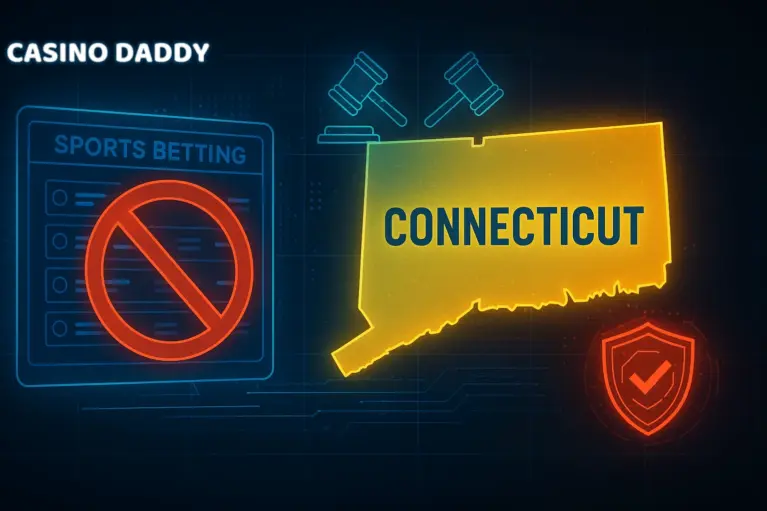
Connecticut regulators escalated their oversight of event-based wagering with a new enforcement action that targets Crypto.com, Kalshi and Robinhood Derivatives. The Department of Consumer Protection (DCP) issued cease-and-desist orders after determining that the platforms offered sports-related contracts without a state licence. The decision highlights the state’s strict view on prediction-market products and signals increasing pressure on companies that blend finance, crypto and wagering.
Connecticut’s Position on Event Contracts
The DCP classified the disputed products as illegal online gambling. Officials argued that the platforms allowed customers to risk value on uncertain sports outcomes, which fits the state’s legal definition of gambling.
The orders require the companies to:
- Stop promoting or offering sports-event contracts in Connecticut
- Block new activity from Connecticut-based customers
- Permit immediate withdrawal of funds for affected users
Regulators dismissed claims that these contracts fall under federal commodities rules. They stated that Connecticut law includes a broad definition of gambling and that no exemption applies to these products.
Why Crypto.com, Kalshi and Robinhood Were Targeted
Each platform offers markets that resemble sports wagers rather than traditional financial derivatives.
Key concerns include:
- Customers can gain or lose money based on game outcomes
- Some products allow speculation on match-related variables
- The services operated without Connecticut’s required gambling licence
Kalshi and Robinhood argued that their operations fall under CFTC oversight. They claim federal regulation should pre-empt state law. Connecticut disagreed and emphasized its authority to restrict gambling-style products within its borders.
Impact on the Platforms
The cease-and-desist orders add operational risk for all three companies. Direct consequences include:
- Immediate suspension of affected markets
- Potential civil penalties if they continue offering the disputed services
- Reputational pressure in other states watching Connecticut’s actions
Crypto.com faces additional scrutiny because of recent expansions through its Fanatics Markets brand. Regulators view these actions as evidence that companies continue to push event-based wagering into grey areas without clear licensing.
Wider Implications for the U.S. Market
Connecticut’s move reflects a broader trend. Several states now examine prediction-market products more closely, especially when they mirror sports betting. The ruling may encourage similar actions, which could limit national reach for platforms that operate across finance, crypto and wagering.
Operators face growing uncertainty because legality varies by state. A platform may comply with federal agencies but still violate local gambling rules. Companies must navigate overlapping regulatory systems while maintaining compliant user experiences.
Final Thoughts
Connecticut’s decision places new restrictions on Crypto.com, Kalshi and Robinhood Derivatives and reshapes expectations for event-based wagering. The state’s interpretation of gambling law leaves little room for unlicensed sports contracts, even when platforms claim federal oversight. As more regulators examine prediction markets, firms operating in this space must adapt quickly or risk further enforcement action across the United States.

The Author
The Author
Slots and News Reviewer