




Greece Files Illegal Gambling Complaints Against 18 Influencers


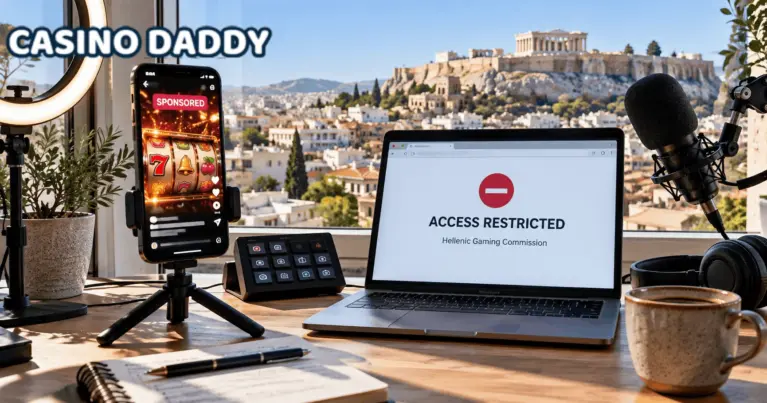
Greece has opened a new front in its crackdown on illegal gambling, and this time the people in the frame are influencers rather than the operators paying for the exposure. Eighteen of them now face complaints. Economy and Finance Minister Kyriakos Pierrakakis confirmed the cases on 6 October, saying authorities had moved against content creators accused of promoting unlicensed gambling to Greek audiences. Nothing has been proven, because the files sit at the preliminary investigation stage.
No identities have been released. Greece has pursued illegal gambling operators for years, but influencers had never been pulled into the enforcement net at this scale, and the timing matters because the batch lands only months after the country rewrote the rules governing its gambling regulator. Speaking at a briefing at the Hellenic Gaming Commission, Pierrakakis set the tone for what comes next, saying that “the internet is not a jungle” and that popularity offers no immunity.
Regulator Gains the Power to Fine Directly
Greece strengthened the Hellenic Gaming Commission under regulatory changes introduced in June, and the practical effect of those changes is now visible. Fines reach 50,000 euros. The regulator can impose that penalty directly, as an administrative sanction for illegal online promotion, and the ceiling applies per violation, so a creator who ran several promotional posts could end up facing a stacked bill rather than a single charge.
Staffing moved alongside the powers. The commission received 110 new positions, 40 of them reserved for specialist scientific staff, which points to a regulator building technical capability rather than simply adding headcount. Tracking unlicensed operators across social platforms takes data skills, and the HGC now has the budget to hire for them.
Why Greece Now Targets Illegal Gambling Promotion by Influencers
Greece built its illegal gambling enforcement around operators for years, and influencers rarely entered the conversation. The logic behind the shift is practical. Unlicensed sites change domains within hours, and blocking one address achieves little when the replacement goes live before the paperwork clears.
Promotion is much harder to move. A creator with a large following sits at a fixed, identifiable point in a chain that otherwise shifts constantly, and cutting the marketing pipeline reaches players more reliably than chasing domain names ever has. Pierrakakis pointed to links, videos, streamers and influencers as the routes carrying illegal operators into Greek homes.
Authorities are leaning on newer tools too. Artificial intelligence and digital monitoring help identify illegal networks faster, and the government works with telecommunications authorities and internet access providers when it wants a site blocked. The stated aim is early detection rather than penalties applied long after the damage has landed.
The Cases Remain Unproven
Pierrakakis was careful on this point, and the legal position backs him up. Greece has opened illegal gambling files on these influencers, and opening a file establishes no criminal responsibility whatsoever, so the 18 individuals keep the presumption of innocence while investigators work through the material. No findings have been announced.
The administrative track runs separately from the criminal one. Greece can now punish illegal gambling promotion through regulatory sanctions, and influencers fall squarely inside that reach, which means a creator could face a fine from the HGC while prosecutors are still deciding what to do with the same material. That parallel structure gives the June reforms most of their bite.
Europe Is Moving in the Same Direction
Greece is not alone in examining illegal gambling promotion by influencers. A Finnish court convicted a content creator in June for advertising offshore casino bonuses through Instagram, Kick and a linked website, handing down a fine of 2,480 euros. The sum was modest, but the ruling settled an important question by rejecting the argument that entertainment framing shields commercial promotion.
Spain’s regulator has consulted on tighter rules for the use of celebrities and influencers in gambling marketing. Australia has gone further in places, and Liquor and Gaming New South Wales has stepped up its scrutiny of the partnerships that betting operators sign with social media personalities. The Greek files differ, because they concern alleged promotion of unlicensed operators rather than advertising breaches by licensed brands.
What the Crackdown Means for Creators
Anyone in Greece who promotes illegal gambling to a sizeable audience, influencers included, now operates under a regime that can reach them directly. A 50,000 euro exposure per violation makes paid promotion of unlicensed sites a poor trade for most creators. The reputational damage of a public complaint also arrives long before any legal conclusion does, and operators hunting Greek traffic will find the marketing channel considerably more expensive to rent than it was a year ago.
How these 18 cases resolve will shape what follows. A run of sanctions would confirm that Greece intends to use its illegal gambling powers against influencers as routine practice, while a quiet collapse of the files would suggest the framework still has gaps to close. Either way, the enforcement perimeter has moved, and the people advertising unlicensed gambling now sit inside it.

The Author
The Author
Slots and News Reviewer