











The Las Vegas Decline in Numbers: Is It Really That Bad?


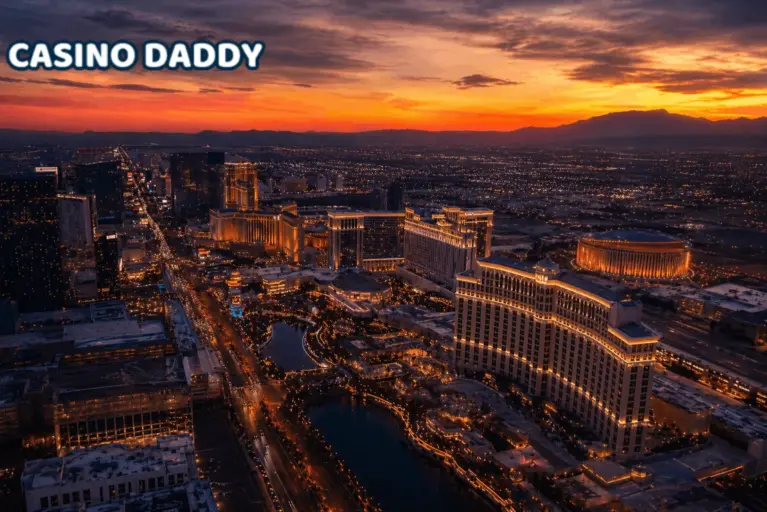
The narrative has been circulating for years: Las Vegas is fading, online casinos are eating its lunch, and the Strip will soon be a relic of a different era. It makes for a good headline. But the Las Vegas decline that data actually shows is far more complicated than a simple story of collapse, and understanding it requires looking past the most alarming figures.
The 11% Drop That Sparked the Debate
The number getting the most attention is an 11% fall in visitor arrivals between March 2025 and March 2026. That is a significant dip, and it does not exist in isolation. Las Vegas gaming revenue had already slipped earlier in the year, downtown properties have been defaulting on loans, and poker rooms across the Strip have been closing one after another. Taken together, these data points paint a picture of a city under real pressure.
But context matters. Las Vegas attracted 42.5 million visitors in 2019, and the post-pandemic years brought steady, year-on-year recovery from 2021 through 2024. The city was not in freefall before this drop. So what changed?
A combination of factors hit at once. Economic uncertainty dampened discretionary travel. The cost of a Vegas trip, already elevated by resort fees and inflated food and drink prices, has made the weekend getaway harder to justify for middle-income visitors. At the same time, the online gambling market has expanded rapidly, giving casual players a frictionless alternative that requires no flights, no hotels, and no time off work.
Is Online Gambling Replacing Las Vegas?
The online gambling market is genuinely huge and growing fast. Global revenue is projected to exceed $130 billion by the end of 2027, and that trajectory is not slowing. Digital platforms have been aggressive in capturing casual, everyday players, and they have largely succeeded. Crypto casinos, in particular, have carved out a growing audience with fast payouts and low barriers to entry.
But the Las Vegas decline in visitor numbers is not a direct one-to-one transfer of players from the Strip to an app. The audiences are not identical, and the experiences are not interchangeable. Online platforms compete on convenience. Las Vegas has always competed on something else: the spectacle, the scale, the feeling of being somewhere.
The people who book a weekend in Vegas are not, in most cases, the same people who spend Tuesday evening spinning slots on their phone. They are different kinds of gambling consumers, and the growth of one does not automatically destroy the other. What online gambling has done is capture the casual player who might once have made an occasional Vegas trip. That loss is real. But it is not the existential threat it is sometimes portrayed as.
Vegas Is Changing Who It Caters To
The more accurate story here is one of repositioning. Las Vegas is increasingly targeting high-net-worth visitors, and the data backs that up. The arrival of Formula 1 was a deliberate, expensive bet on a different demographic. MGM saw a significant lift in share price following the Las Vegas Grand Prix, and that kind of event draws spending that dwarfs what a typical weekend tourist brings in.
The trade-off is clear. Everyday visitors are being priced out at an accelerating rate. Resort fees, premium entertainment, and luxury-tier hotel pricing have made the mid-range Vegas trip a harder sell. But for operators focused on revenue per visitor rather than raw footfall, that calculation makes sense. Fewer visitors spending more money can be a viable model, at least in the short term.
Is This a Trend or a Turning Point?
That is the genuinely open question. Vegas has navigated enormous shifts before: the Rat Pack era gave way to corporate ownership, the family-friendly experiment of the 1990s quietly reversed itself, and the city rebuilt its entire identity after COVID gutted tourism in 2020. Each time, it adapted.
The Las Vegas decline in mass-market appeal is real. The city is becoming more expensive, more exclusive, and less accessible to the average gambler. That alienates a loyal base. But it may also be a calculated evolution toward a model built on events, luxury, and high-roller spending rather than volume.
Whether that pivot sustains itself over the next decade is an open question. What is clear is that Las Vegas is not disappearing. It is changing its audience, and doing so deliberately.

The Author
The Author
Slots and News Reviewer