









BC.Game Pushes Back on Bankruptcy Reports


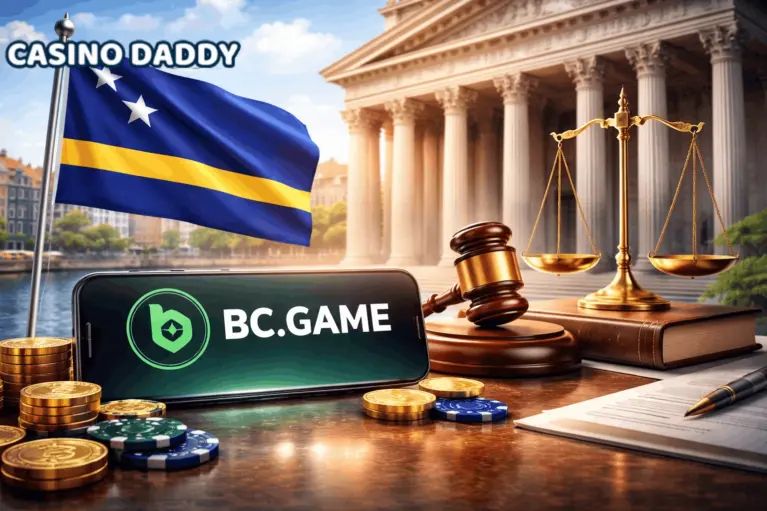
Fresh scrutiny surrounds BC.Game after court proceedings in Curaçao triggered reports that companies tied to the operator had been declared bankrupt. The headlines quickly spread across the iGaming sector, raising questions about the platform’s financial position and regulatory standing.
The crypto-focused gambling brand has now issued a firm response. It rejects claims that the rulings reflect liquidity problems and states it is actively challenging the decision through the appeals process. The dispute centers on legal claims brought against two Curaçao-based entities connected to the group, not the operational platform itself, the company argues.
Court Ruling Targets Curaçao-Linked Entities
The legal action involves Blockdance BV and Small House BV, corporate entities associated with BC.Game’s Curaçao licensing structure. A local court ruling declared the entities bankrupt following claims tied to alleged unpaid player losses.
The case reportedly stems from a dispute involving user claims and platform activity under Curaçao’s regulatory framework. The ruling prompted immediate speculation about the broader health of the BC.Game brand, particularly given its high-profile presence in global crypto gambling markets.
Bankruptcy declarations in Curaçao carry specific procedural implications. They often relate to corporate entities holding licensing structures rather than operational control of international platforms. Even so, such rulings can affect perception, compliance relationships, and future licensing options.
Company Denies Financial Instability
BC.Game has strongly disputed the interpretation that the court action signals insolvency. The operator describes the matter as administrative and legal in nature. It insists that day-to-day operations continue without disruption.
Management maintains that the dispute does not reflect a funding shortfall or collapse in liquidity. The company states it is pursuing a formal appeal and preparing legal arguments to overturn the ruling. It also claims internal reviews identified inconsistencies in the complaints that formed the basis of the action.
The operator emphasizes that player balances and platform services remain intact. Crypto deposits, withdrawals, and gaming functions continue to operate as normal.
Sponsorship Spotlight Adds Pressure
The situation gained additional visibility because BC.Game holds a shirt sponsorship agreement with Leicester City Football Club. High-profile sports partnerships increase reputational exposure when legal disputes surface.
While sponsorship arrangements remain in place, the controversy places commercial partners under indirect pressure. Clubs tied to betting brands must assess reputational and regulatory risk, particularly when cross-border legal matters emerge.
Crypto gambling operators often rely on international marketing deals to expand brand reach. Any legal uncertainty in licensing jurisdictions can ripple outward into partnership discussions, advertising scrutiny, and compliance reviews.
Curaçao’s Regulatory Transition
The dispute unfolds during a period of regulatory reform in Curaçao. Authorities have moved to modernize oversight, tighten compliance standards, and restructure the long-standing master license system. Operators previously licensed under older frameworks now face closer scrutiny and revised governance expectations.
This evolving environment increases sensitivity around legal proceedings. Even isolated disputes can amplify concerns about regulatory robustness and corporate accountability.
Curaçao remains a key jurisdiction for crypto-focused operators. However, recent reforms aim to strengthen oversight and reduce reputational risk tied to the licensing regime. The BC.Game case illustrates how legacy structures and new compliance demands can intersect during transitional phases.
Industry Implications
The controversy highlights broader challenges in the crypto gambling sector:
- Licensing structures often rely on jurisdiction-specific corporate entities.
- Bankruptcy rulings may target holding entities rather than operational platforms.
- Legal disputes can escalate quickly in public perception.
- Sponsorship exposure magnifies reputational impact.
Crypto-based casinos operate across multiple legal frameworks while handling digital assets with global reach. That model introduces complexity when disputes arise in one jurisdiction but the brand serves players worldwide.
For competitors, the case serves as a reminder that regulatory alignment and corporate transparency remain central to long-term stability. For regulators, it underscores the importance of clear communication when court actions involve licensed operators.
What Happens Next
The appeals process will determine whether the bankruptcy ruling stands or is overturned. Legal proceedings in Curaçao will likely continue over the coming months, with potential clarifications about the scope and impact of the judgment.
Stakeholders across the industry will watch closely. Licensing authorities, commercial partners, and rival operators all have an interest in how the case develops. The outcome may shape perceptions of Curaçao’s evolving regulatory framework and the resilience of crypto gambling platforms operating under it.
For now, BC.Game continues to operate while contesting the decision. The legal outcome will define whether this episode becomes a short-term reputational challenge or a more significant turning point in the platform’s regulatory journey.

The Author
The Author
Slots and News Reviewer
Casinos mentioned in this article

EDITOR'S VIEW
Casino Rating: Rated 88 of 100%
Welcome Bonus: 400% up to €4,000 + 400 FS
# of slots games: 7349
Established Year: 2017-06-09