








Deadheat Racing Licences Suspension Shocks UK Betting Sector


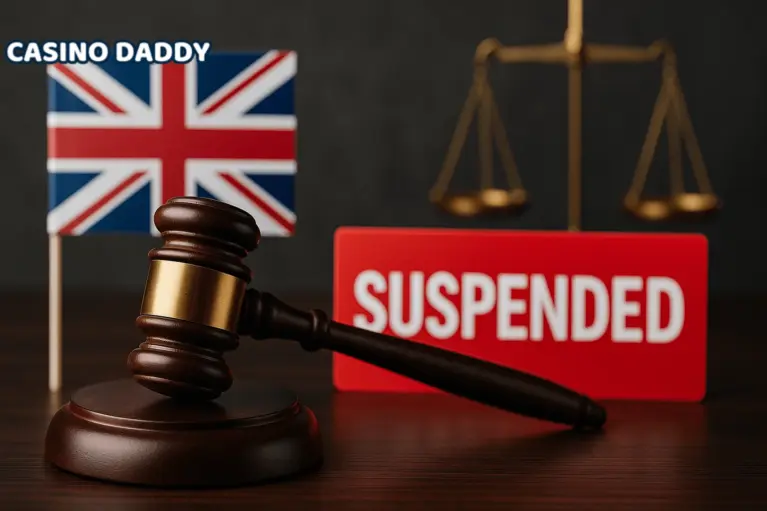
The UK Gambling Commission has suspended Deadheat Racing licences after serious regulatory concerns. The action covers both remote and non-remote operating licences. Regulators pointed to suspected failures in social responsibility and anti-money-laundering controls. Deadheat Racing licences have been active since 2015, yet long licence history did not prevent this intervention. The case underlines how quickly the Commission can act when operators fall short of core requirements.
Why the Gambling Commission intervened
The regulator highlighted suspected breaches linked to player protection and financial crime controls. These concerns include how Deadheat Racing identified risky customers and monitored unusual behaviour. The Commission also questioned whether internal systems flagged high-risk activity fast enough.
Investigators saw enough warning signs to question the operator’s ongoing suitability. Under British rules, licence holders must support the licensing objectives at all times. Those objectives focus on preventing crime, protecting vulnerable people, and keeping gambling fair and open. When doubts arise, the Commission can suspend operating licences while it reviews the case in detail.
What the suspension of Deadheat Racing licences means
The suspension means Deadheat Racing must stop offering any services covered by its operating licences. This includes both online operations and any land-based activity linked to the licences. Customers should no longer be able to place bets with the operator under the suspended permissions.
The Commission usually allows certain limited activities that protect customers, such as handling withdrawals. However, the operator cannot promote or provide licensed gambling products while the suspension stands. Deadheat Racing licences remain under review until the regulator decides on the final outcome. That outcome could range from a lifted suspension with conditions to further sanctions.
Social responsibility and AML expectations
The case highlights how seriously the UK regulator treats social responsibility and anti-money-laundering. Operators must understand customer risk profiles and respond when behaviour suggests potential harm. That response can include affordability checks, deposit limits, time-outs, and direct interactions.
AML expectations go further and require strong customer due diligence and ongoing monitoring. Firms must verify sources of funds, track unusual patterns, and file reports when they suspect criminal activity. Weak or delayed responses can expose the wider system to abuse. When these controls fail, regulators see a direct threat to the licensing objectives.
Impact on other UK licence holders
The suspension sends a clear message to every operator holding UK licences. Long-standing approval does not shield companies from enforcement if standards drop. Licence holders must review policies, technology, and training to keep pace with evolving risks.
Compliance teams will likely revisit their own frameworks after the Deadheat Racing licences decision. Many operators now invest in stronger data analytics, automated monitoring, and clearer escalation paths. The goal is to spot issues early and intervene before harm develops. Those who treat compliance as a core business function face fewer regulatory shocks.
Final Thoughts
The suspension of Deadheat Racing licences confirms the UK Gambling Commission’s strict stance on compliance. Suspected weaknesses in social responsibility and AML controls triggered swift and decisive action. Other operators now have another warning example that shows how quickly licences can be frozen. Those who invest in robust player protection and financial crime safeguards stand in a stronger position. In the current climate, consistent, proactive compliance is no longer optional for any UK licence holder.

The Author
The Author
Slots and News Reviewer