











Ohio Moves to Ban Credit Cards for Sports Betting


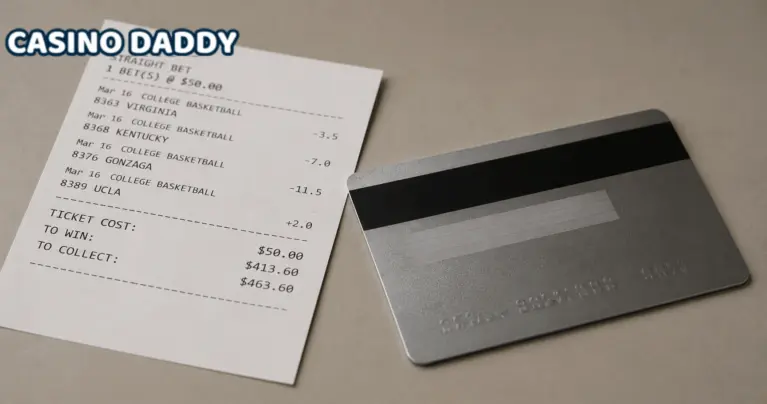
Ohio is pushing to ban credit cards for sports betting, and the proposal is now in full public view. Governor Mike DeWine’s administration forwarded a draft rule to the Ohio Casino Control Commission earlier this week, and the commission has opened the floor for public feedback. The state has had legal sports betting since January 2023. This is one of the most significant consumer protection moves it has made since launch.
The commission set a public comment window running through May 15, 2026. After that closes, a public hearing follows. The proposal then goes to a state legislative panel for review. If it clears every stage, new rules would take effect later this summer.
What the Proposed Rule Would and Would Not Cover
The draft rule targets credit cards only. Debit card deposits would remain fully permitted and are not part of this proposal. That distinction matters. Debit cards are the dominant payment method for sports bettors in Ohio, so the practical impact on day-to-day wagering would be limited for most users.
Credit card users are a smaller segment of the market, but they tend to be a higher-risk one. Betting on credit means spending money you do not yet have. That dynamic sits at the heart of why regulators and lawmakers have raised concerns. The proposal does not limit how much someone can bet or restrict which platforms they can use. It closes one specific funding route that has drawn repeated scrutiny at both the state and federal level.
Ohio Would Join a Wider US Trend
Ohio would not be breaking new ground here. At least nine other US states have already banned credit card deposits for sports wagering. The movement has been building for several years, driven by responsible gambling advocates and, more recently, by operators themselves.
FanDuel, DraftKings, BetMGM, and Caesars have all moved to restrict credit card deposits in the past year. Their reasons are partly ethical and partly financial. Credit card companies have been treating sportsbook transactions as cash advances, applying higher fees and interest rates. That made credit card processing more costly for everyone involved, not just the bettor.
So in practice, a formal Ohio credit card ban on sports betting would largely codify what the market has already done on its own. Some users who found workarounds through smaller operators would lose that option. The regulatory floor would rise to meet where the industry’s biggest names already sit.
The Debt Concern Driving the Push
The motivation behind this rule is not abstract. State Representative Gary Click, who co-sponsored a separate bill last month that also included a credit card deposit ban, has spoken directly about what happens when gambling debts pile up on credit. Bettors run up their cards, lose track of the total, and eventually cannot cover their basic bills. By the time the problem becomes clear, the damage is done.
That separate bill took a far more sweeping approach, seeking to roll back online sports betting in Ohio significantly. The draft rule from DeWine’s administration is narrower and more targeted. It does not aim to restrict access to sports betting broadly. It aims to remove one payment method that regulators consider a financial risk to bettors who may not have the funds to cover their losses.
What Comes Next
The May 15 comment deadline gives Ohioans and industry stakeholders a short window to respond. Public comments on draft rules tend to surface opposition from operators and support from responsible gambling groups. The outcome at the legislative panel stage is harder to predict.
Ohio’s credit card ban for sports betting may face pushback from smaller platforms that still accept them and from users who prefer the payment flexibility. But with the state’s largest operators already aligned with the proposed restriction, and nine states already in place ahead of Ohio, the political resistance is likely to be modest. The rule has momentum. What remains to be seen is whether the timeline holds and the summer implementation target stays on track.

The Author
The Author
Slots and News Reviewer