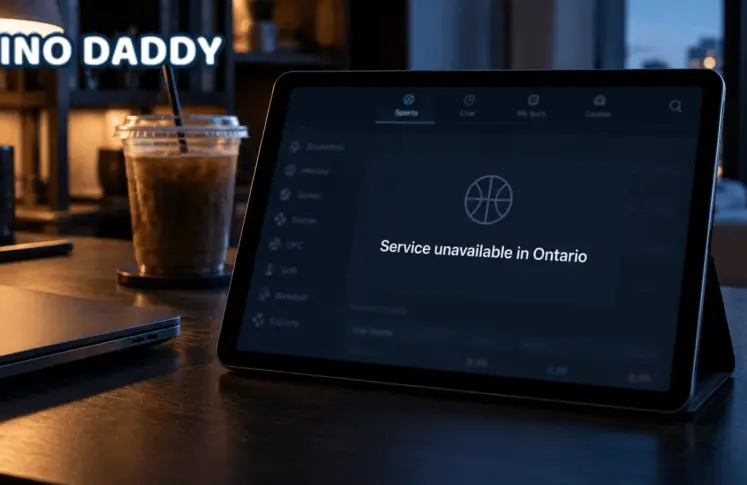










Ontario Gambling Advertising Ban Bill Heads to Debate



Ontario is pushing for a gambling advertising ban, and the numbers driving that push are stark. Liberal MPP Lee Fairclough has introduced Bill 107, the Stop Harmful Gambling Advertising Act. The bill would bar licensed operators and their partners from promoting gambling across television, social media, sponsorships, and other channels. If it passes, it will mark the biggest regulatory shift in Ontario’s iGaming market since private operators entered in 2022.
A Market That Changed Everything
Ontario opened its regulated online gambling market in April 2022. Around 50 licensed companies entered, and advertising followed immediately. Sports broadcasts, social media feeds, and digital platforms filled with gambling promotions almost overnight. Supporters of the bill say that saturation has come at a serious cost.
Calls to ConnexOntario, the provincial helpline for gambling, mental health, and substance use, have risen by 254 percent since the market opened. That figure sits at the heart of Fairclough’s argument. The problem is also concentrated among younger people. A Canadian Medical Association Journal study found gambling-related helpline calls rose 144 percent among teenage boys. Among men aged 15 to 24, the increase was 337.8%. A separate finding showed that 23.5% of online gamblers aged 18 to 29 reported financial or psychological harm.
These numbers have made the bill difficult to dismiss. Fairclough has argued that young men face deliberate targeting through gambling promotions. She has pointed to tobacco and cannabis as industries where advertising restrictions became necessary because self-regulation failed. Her position is that online gambling has reached the same point.
What the Bill Would Do
Bill 107 targets promotion, not participation. Licensed operators and their partners would face a full advertising ban across broadcast media, social media, and sponsorship deals. The market itself would remain open. Only the promotional activity around it would stop.
Penalties are substantial. Companies that break the rules could face fines of up to $1 million per violation. Repeat offenders risk losing their operating licences. Individual breaches also carry financial penalties. The bill holds people accountable, not just corporate entities.
Regulators have already restricted some advertising practices, including the use of active athletes and celebrities. But Fairclough and her supporters say those measures have not been enough. The volume of promotions, especially during live sport, remains a central complaint.
A Bill Facing an Uphill Battle
The Ontario Liberals hold a minority position in the legislature. That makes passage uncertain. A legislative debate is expected in mid-May 2026, and Fairclough has confirmed she plans to run a petition campaign to build public support ahead of it.
Critics of the Ontario gambling advertising ban raise a legitimate counterpoint. Some research from other markets suggests that sweeping bans can push consumers toward unregulated offshore operators. Those platforms carry no consumer protections and operate outside regulatory oversight. Proponents of the bill dispute this outcome, arguing that reducing exposure to vulnerable groups outweighs that risk.
The wider context matters here. Federal lawmakers in Canada are examining their own restrictions on gambling promotion. Australia and several European markets are having the same conversation. Alberta is preparing to launch a regulated iGaming market, which will bring another wave of operator advertising as companies compete for new customers.
What Happens in May
Mid-May will be the first real test of whether Bill 107 has political support. Fairclough has been direct about her goals. She wants gambling advertising gone, and she sees that as the first step toward protecting younger Ontarians from a market that moved faster than the safeguards around it.
Ontario’s gambling advertising ban debate reflects a tension playing out across multiple regulated markets right now. Governments opened the door to private operators and the tax revenue they bring. Now some are asking whether the public health cost of unrestricted promotion was fully considered. The answer to that question, at least in Ontario, is expected by the end of May.

The Author
The Author
Slots and News Reviewer